Wisata ke Novosibirsk: Menjelajah Jantung Siberia

kwmedley.com – Selamat datang di kwmedley.com, tempat kami berbagi panduan dan tips perjalanan dari seluruh dunia. Pada artikel kali ini, kita akan menjelajah Novosibirsk, kota terbesar ketiga di Rusia dan pusat ekonomi serta budaya Siberia. Dengan perpaduan sejarah, modernitas, dan keindahan alam, Novosibirsk menawarkan pengalaman wisata yang unik dan tak terlupakan.

Menyusuri Sejarah dan Budaya

Museum Sejarah Negara Novosibirsk

Mulailah perjalanan Anda dengan mengunjungi Museum Sejarah Negara Novosibirsk. Museum ini menawarkan koleksi artefak dan pameran yang menggambarkan sejarah dan perkembangan kota serta wilayah Siberia secara keseluruhan. Anda dapat belajar tentang kehidupan sehari-hari penduduk Siberia dari masa lalu hingga sekarang.

Teater Opera dan Balet Novosibirsk

Teater Opera dan Balet Novosibirsk adalah salah satu yang terbesar di Rusia. Dengan arsitektur yang megah dan pertunjukan kelas dunia, teater ini menawarkan pengalaman budaya yang mengesankan. Pastikan untuk memeriksa jadwal pertunjukan sebelum berkunjung agar tidak melewatkan kesempatan menikmati opera atau balet berkualitas tinggi.

Menikmati Keindahan Alam

Kebun Binatang Novosibirsk

Kebun Binatang Novosibirsk adalah salah satu kebun binatang terbesar di Rusia dan rumah bagi lebih dari 10.000 hewan dari berbagai belahan dunia. Terletak di tengah hutan pinus yang indah, kebun binatang ini menawarkan pengalaman yang menyenangkan bagi keluarga dan pecinta satwa. Jangan lewatkan atraksi seperti pameran harimau Siberia dan beruang kutub.

Sungai Ob dan Jembatan Ob

Sungai Ob adalah salah satu sungai terpanjang di dunia, dan Novosibirsk terletak di tepiannya. Nikmati pemandangan menakjubkan dari Jembatan Ob, salah satu jembatan terpanjang di Rusia. Anda bisa berjalan-jalan di tepi sungai, menikmati pemandangan, dan bahkan melakukan tur perahu untuk pengalaman yang lebih mendalam.

Destinasi Kuliner dan Belanja

Pasar Sentral Novosibirsk

Pasar Sentral Novosibirsk adalah tempat yang sempurna untuk merasakan kehidupan lokal dan mencicipi berbagai makanan khas Rusia. Dari produk segar hingga makanan tradisional seperti pelmeni dan borscht, pasar ini menawarkan pengalaman kuliner yang autentik. Selain itu, Anda juga bisa membeli suvenir unik untuk dibawa pulang.

Mal Galeria Novosibirsk

Bagi Anda yang ingin berbelanja, Mal Galeria Novosibirsk adalah destinasi yang harus dikunjungi. Dengan berbagai toko, restoran, dan hiburan, mal ini menawarkan pengalaman belanja yang lengkap. Temukan merek internasional dan lokal, serta nikmati makanan lezat di berbagai restoran yang tersedia.

Tips Perjalanan ke Novosibirsk

Transportasi

Novosibirsk memiliki sistem transportasi umum yang efisien, termasuk bus, tram, dan metro. Metro Novosibirsk adalah salah satu yang paling modern di Rusia dan merupakan cara cepat untuk berkeliling kota. Pertimbangkan untuk membeli kartu transportasi untuk kemudahan bepergian.

Musim yang Tepat

Musim panas (Juni hingga Agustus) adalah waktu terbaik untuk mengunjungi Novosibirsk, ketika cuaca hangat dan banyak acara luar ruangan diadakan. Namun, musim dingin juga menawarkan pesona tersendiri dengan salju yang indah dan aktivitas musim dingin seperti bermain ski.

Kesimpulan

Novosibirsk adalah destinasi wisata yang menarik dengan berbagai pengalaman yang ditawarkan, mulai dari sejarah dan budaya hingga keindahan alam dan kuliner. Dengan perencanaan yang tepat, perjalanan Anda ke jantung Siberia ini akan menjadi pengalaman yang tak terlupakan.

Terima kasih telah membaca artikel ini di kwmedley.com. Kami berharap informasi ini membantu Anda merencanakan perjalanan yang menyenangkan ke Novosibirsk. Sampai jumpa di artikel berikutnya!

Filosofi Hidup Orang Jepang: Dari Wabi-Sabi hingga Kaizen yang Menginspirasi

Link Slot : mahjong ways 2

Orang Jepang dikenal dengan kedalaman filosofi hidup yang membentuk cara mereka melihat dunia dan menjalani kehidupan. Salah satu konsep yang paling dikenal adalah Wabi-Sabi, yang mengajarkan keindahan dalam ketidaksempurnaan. Wabi-Sabi mengajarkan bahwa segala sesuatu di dunia ini, dari alam hingga manusia, memiliki keindahan yang muncul dari ketidaksempurnaan dan perubahan. Filosofi ini mengapresiasi keunikan dan kefanaan, serta menekankan pentingnya menerima segala sesuatu seperti apa adanya. Wabi-Sabi tercermin dalam banyak aspek kehidupan Jepang, seperti seni, arsitektur, bahkan dalam cara orang Jepang menikmati teh dalam tradisi chanoyu (upacara minum teh), di mana ketenangan dan kesederhanaan menjadi pusat dari pengalaman tersebut.

Selain itu, filosofi Kaizen juga sangat mempengaruhi cara orang Jepang bekerja dan berinteraksi dengan dunia. Kaizen berarti “perbaikan berkelanjutan” dan ini tidak hanya diterapkan dalam konteks bisnis, tetapi juga dalam kehidupan sehari-hari. Orang Jepang percaya bahwa selalu ada ruang untuk perbaikan, tidak peduli seberapa kecil langkah yang diambil. Filosofi ini tercermin dalam dunia industri Jepang, di mana perusahaan-perusahaan besar seperti Toyota menerapkan prinsip Kaizen untuk meningkatkan kualitas dan efisiensi. Namun, Kaizen juga dapat diterapkan dalam kehidupan pribadi, seperti memperbaiki kebiasaan buruk sedikit demi sedikit atau memperbaiki diri setiap hari.

Filosofi hidup orang Jepang tidak hanya berfokus pada pencapaian dan kesuksesan materi, tetapi lebih kepada pencarian keseimbangan dan harmoni. Konsep Ikigai, yang berarti “alasan untuk hidup”, adalah filosofi lain yang sangat dihargai di Jepang. Ikigai menekankan pentingnya menemukan tujuan hidup yang mendalam, yang memberikan kebahagiaan sejati, dan memberikan makna dalam setiap langkah yang diambil. Dengan filosofi-filosofi ini, orang Jepang mengajarkan dunia untuk menghargai kesederhanaan, mencari keseimbangan dalam hidup, dan berusaha untuk menjadi lebih baik setiap hari.

Māori Health and Wellbeing: Traditional Approaches

kwmedley.com – Māori health and wellbeing encompass more than just physical health; they are deeply rooted in the interconnectedness of body, mind, and spirit, as well as the individual’s relationship with family, community, and the environment. Traditional Māori health practices have long been based on holistic principles, integrating spiritual, physical, and environmental elements to maintain balance and wellbeing. However, modern challenges such as the impact of colonization, social inequities, and the pressures of contemporary life have created significant barriers to achieving optimal health for Māori communities. This article explores both the traditional Māori approaches to health and wellbeing, as well as the challenges faced in maintaining these practices in the modern world.

Traditional Māori Approaches to Health

Traditional Māori health practices, known as hauora, are grounded in a holistic worldview that sees health as the balance between spiritual, physical, mental, and social aspects of life. Māori health is deeply connected to the concept of whānau (family) and wairua (spirit), with the understanding that a person’s wellbeing is affected by their relationships with their ancestors, their environment, and the community.

The Four Dimensions of Māori Health

The traditional Māori framework for health is often represented through the four dimensions of hauora: taha tinana (physical health), taha wairua (spiritual health), taha hinengaro (mental health), and taha whānau (family and social health). Each dimension is seen as interconnected, and balance between them is considered essential for overall wellbeing.

  • Taha Tinana (Physical Health): This refers to the physical well-being of the individual, including the proper functioning of the body, nutrition, exercise, and rest. In traditional Māori society, maintaining physical health was tied to living in harmony with the natural environment, such as through hunting, fishing, and the cultivation of food.
  • Taha Wairua (Spiritual Health): Spiritual health is viewed as foundational to overall wellbeing. Māori people believe that a strong connection to the spiritual realm, ancestors, and the natural world helps to sustain a sense of purpose, balance, and harmony. Spiritual practices, such as prayer (karakia) and rituals, play a key role in maintaining spiritual health.
  • Taha Hinengaro (Mental Health): Mental wellbeing is seen as an integral part of the individual’s ability to cope with life’s challenges, manage emotions, and maintain clear thought. The Māori view on mental health emphasizes the importance of community support, reflection, and the sharing of experiences to foster resilience.
  • Taha Whānau (Family and Social Health): Family and community are central to Māori health. Whānau, extended family, and the broader community provide the emotional and practical support needed for maintaining balance and wellbeing. Social relationships are seen as vital to individual health, and the collective responsibility of the community to care for its members is a key value.

Traditional Healing Practices

Māori healing practices are centered around the belief that illness results from imbalances in the body, mind, or spirit. Traditional Māori healers, known as rongoā practitioners or tohunga rongoā, use a variety of methods to restore balance, including herbal remedies, physical therapies, and spiritual healing.

  • Rongoā Māori (Traditional Medicine): Rongoā Māori involves the use of native plants, such as kawakawa, mānuka, and harakeke (flax), to treat ailments. These plants have been used for centuries to treat both physical and mental health conditions. Traditional healers also used massage techniques, such as mirimiri, to release tension and restore energy to the body.
  • Spiritual Healing: Spiritual health is often addressed through rituals and ceremonies aimed at restoring harmony between individuals, their ancestors, and the environment. Karakia (prayers or chants) and whakawātea (rituals for releasing negative energy) are used to help heal spiritual and emotional wounds.
  • Whenua and Wairua (Connection to Land and Spirit): Traditional Māori belief holds that health is deeply connected to the land. A person’s well-being is affected by their relationship to the whenua (land) and their wairua (spirit). The practice of marae and the importance of gathering on the land for ceremonies are ways of maintaining balance and connection to ancestral roots.

Modern Challenges to Māori Health

While traditional Māori health practices remain relevant and are increasingly recognized in contemporary healthcare systems, Māori communities face significant health challenges in the modern world. These challenges are shaped by historical, social, and economic factors, many of which have roots in colonization.

Impact of Colonization

The arrival of European settlers in New Zealand (Aotearoa) brought significant disruptions to Māori ways of life. Colonization led to the displacement of Māori communities, the loss of land, and the imposition of foreign systems of governance and healthcare. This resulted in the erosion of traditional Māori knowledge, including health practices, and led to significant disparities in health outcomes between Māori and non-Māori populations.

The introduction of European diseases, as well as the breakdown of Māori social structures, also contributed to a decline in Māori health. Many Māori were displaced from their ancestral lands, which disrupted their connection to the environment, a vital component of their traditional health practices.

Social and Economic Inequalities

Māori health is also affected by social and economic inequalities. High levels of poverty, lower access to quality healthcare, and disparities in education have contributed to poorer health outcomes for Māori. Issues such as housing insecurity, food insecurity, and limited access to healthcare services remain significant barriers to achieving health equity.

Furthermore, the impact of systemic racism within the healthcare system has created a mistrust of Western medical practices. Many Māori feel that the mainstream healthcare system does not adequately cater to their cultural needs, resulting in lower rates of engagement with healthcare providers and poorer health outcomes.

Rising Chronic Diseases and Mental Health Issues

Māori communities are disproportionately affected by chronic diseases, such as diabetes, cardiovascular disease, and obesity, which are linked to lifestyle factors such as poor diet, lack of physical activity, and smoking. These diseases have become significant challenges to Māori health, with the health system struggling to provide culturally relevant care.

Mental health issues are also rising among Māori, particularly among youth. The pressures of modern life, combined with the challenges of cultural identity, systemic racism, and social inequality, have contributed to an increase in mental health concerns. Suicide rates among Māori youth are higher than the national average, highlighting the urgent need for culturally appropriate mental health services and support systems.

Integrating Traditional and Modern Approaches

The integration of traditional Māori health practices with modern healthcare approaches is seen as a potential solution to address these challenges. Many Māori health advocates call for a healthcare system that recognizes and incorporates Māori cultural values, practices, and perspectives.

The Role of Whānau in Modern Health

One key way to address health disparities is to focus on the role of whānau (family) in health and wellbeing. Whānau-based health initiatives aim to involve families in the healing process, fostering support networks and providing culturally relevant care. These initiatives often incorporate traditional healing methods alongside modern medical treatments, creating a holistic approach to health.

Te Ao Māori and Modern Health Education

Health education that embraces te ao Māori (the Māori worldview) is another essential part of improving Māori health. This includes promoting the four dimensions of hauora—taha tinana, taha wairua, taha hinengaro, and taha whānau—in schools, community groups, and healthcare settings. This approach encourages a more inclusive understanding of health that values Māori cultural practices while also addressing the needs of modern healthcare.

Māori Leadership in Health

Increasing Māori leadership in the health sector is essential for improving health outcomes for Māori. Māori health providers, iwi (tribal) health organizations, and Māori doctors and nurses are integral in advocating for culturally competent care. These leaders can bridge the gap between traditional Māori practices and contemporary healthcare, ensuring that Māori communities receive the support and care they need.

Conclusion

Māori health and wellbeing are deeply rooted in a holistic worldview that emphasizes the interconnectedness of physical, mental, spiritual, and social health. While traditional Māori health practices continue to offer valuable insights into holistic healing, modern challenges such as the legacy of colonization, social inequities, and rising chronic diseases pose significant barriers to achieving optimal health. However, the integration of traditional and modern health approaches, along with a renewed focus on Māori leadership and cultural competency in healthcare, offers hope for improving health outcomes for Māori communities. By honoring Māori knowledge and values, New Zealand can move toward a more inclusive and equitable healthcare system that supports the wellbeing of all its people.

Nevado del Ruiz: A Volcanic Threat – A History of Eruptions

kwmedley.com – The Nevado del Ruiz is an active stratovolcano located in the Andean Volcanic Belt of Colombia. Known for its explosive eruptions and devastating mudflows, or lahars, it is one of the most dangerous volcanoes in the world. The volcano’s most infamous eruption occurred in 1985, when a massive lahar destroyed the town of Armero, killing over 23,000 people.   

A History of Eruptions

The Nevado del Ruiz has a long history of volcanic activity, with eruptions dating back thousands of years. The volcano is composed of layers of lava, ash, and other volcanic debris. Its summit is capped by a glacier, which can melt during eruptions, triggering catastrophic lahars.   

The 1985 eruption was a stark reminder of the volcano’s destructive potential. A small eruption melted a portion of the glacier, generating a massive lahar that raced down the slopes of the volcano, engulfing Armero and surrounding communities. The disaster highlighted the need for improved volcanic monitoring and early warning systems.   

A Constant Threat

Since the 1985 eruption, scientists have closely monitored the Nevado del Ruiz to detect signs of renewed activity. The volcano remains active, with frequent small eruptions and periods of increased seismic activity. These events serve as a reminder of the ongoing threat posed by the volcano.   

To mitigate the risk of future disasters, authorities have implemented various measures, including evacuation plans, early warning systems, and public education campaigns. However, the challenge of accurately predicting volcanic eruptions remains a significant challenge.

The Impact of Climate Change

Climate change is also a factor to consider in the context of volcanic hazards. Rising global temperatures can accelerate glacier melt, increasing the risk of lahars during eruptions. Additionally, changing weather patterns can influence volcanic activity, making it difficult to predict future eruptions.   

A Cautionary Tale

The Nevado del Ruiz serves as a cautionary tale about the destructive power of volcanoes. The 1985 disaster highlighted the importance of scientific research, early warning systems, and effective disaster management. By learning from the past, we can better prepare for future volcanic threats and protect vulnerable communities.

Entre Ríos: Rivers and History – Wetlands and Waterways

kwmedley.com – Entre Ríos, a province located in northeastern Argentina, is a land of rivers, wetlands, and rich history. Its diverse ecosystems, including the Paraná River delta, offer a unique blend of natural beauty and cultural significance.

The Paraná Delta: A Natural Wonder

The Paraná River Delta, one of the largest river deltas in the world, dominates the eastern part of the province. This vast network of islands, waterways, and marshes is home to a diverse range of wildlife, including numerous bird species, capybaras, and otters. The delta offers opportunities for kayaking, fishing, and birdwatching.

A Cultural Melting Pot

Entre Ríos has a rich cultural heritage, influenced by indigenous Guaraní cultures, Spanish colonization, and European immigration. The province’s vibrant cultural traditions are reflected in its music, dance, and cuisine. The chamamé, a traditional Argentine folk music genre, is deeply rooted in Entre Ríos.

The City of Paraná: A Colonial Gem

The city of Paraná, the provincial capital, is a charming colonial city with a rich history. Its historic center, with its well-preserved colonial buildings and picturesque plazas, offers a glimpse into the past. The city is also a hub for cultural activities, including music, theater, and art.

A Gastronomic Delight

Entre Ríos’ cuisine is a delicious blend of indigenous and European influences. The province is famous for its empanadas, a type of pastry filled with meat, cheese, or vegetables. Other popular dishes include asado, a traditional Argentine barbecue, and chipa guazú, a cornbread made with cheese and pumpkin.

A Sustainable Future

Entre Ríos is committed to sustainable development and environmental conservation. The province has implemented initiatives to protect the Paraná River Delta and promote ecotourism. By preserving its natural and cultural heritage, Entre Ríos aims to ensure a sustainable future for generations to come.

A Hidden Gem

Entre Ríos, with its stunning landscapes, rich cultural heritage, and warm hospitality, is a hidden gem waiting to be discovered. Whether you are seeking adventure, relaxation, or cultural immersion, Entre Ríos offers a unique and unforgettable experience.

Évora: A Timeless Tapestry of History and Culture

kwmedley.com – Évora, a captivating city nestled in the Alentejo region of Portugal, is a living museum of history and culture. With its well-preserved Roman ruins, medieval architecture, and serene atmosphere, Évora offers a unique blend of old-world charm and modern amenities.

A Glimpse into History

Évora’s history stretches back to Roman times, when it was known as Ebora Liberalitas. The city’s strategic location and rich cultural heritage have made it a significant player throughout the centuries. During the Middle Ages, Évora flourished under Moorish rule, and its architecture still bears the imprints of this era.

Exploring Évora’s Historical Treasures

  • Roman Temple of Évora: This well-preserved Roman temple, dating back to the 1st century AD, is one of the most iconic landmarks in Évora. Its majestic columns and intricate carvings are a testament to the city’s Roman heritage.
  • Évora Cathedral: This Gothic cathedral, built in the 13th century, is a stunning example of religious architecture. Its impressive facade, intricate carvings, and serene interior create a peaceful atmosphere.
  • Chapel of Bones: This macabre chapel, located beneath the Church of São Francisco, is adorned with the bones of over 5,000 monks. Its eerie atmosphere and unique decor make it a fascinating and unforgettable experience.
  • Évora Castle: This medieval castle, dating back to the 12th century, offers panoramic views of the city and surrounding countryside. Its imposing walls and towers are a reminder of the city’s rich history.

The Alentejo Soul

Évora is the epitome of the Alentejo spirit, characterized by its relaxed pace of life, warm hospitality, and delicious cuisine. The city’s streets are lined with traditional houses painted in vibrant colors, creating a picturesque ambiance.

A Gastronomic Delight

Alentejo cuisine is renowned for its hearty dishes and simple, fresh ingredients. Be sure to savor local specialties like açorda de bacalhau (a bread and codfish soup), porco preto (black pork), and migas de espargos (bread crumbs with asparagus). Pair your meal with a glass of Alentejo wine, renowned for its robust flavors and rich character.

The Alentejo Landscape

The surrounding countryside is a breathtaking tapestry of rolling hills, olive groves, and cork oak forests. The vast expanse of the Alentejo plains offers endless opportunities for outdoor activities like hiking, cycling, and birdwatching.

A Cultural Experience

Évora hosts a variety of cultural events throughout the year, including music festivals, art exhibitions, and traditional fairs. These events provide a glimpse into the region’s rich cultural heritage and offer visitors a chance to immerse themselves in local traditions.   

A Peaceful Retreat

Évora offers a peaceful retreat from the hustle and bustle of city life. Its serene atmosphere, coupled with its rich history and cultural heritage, makes it an ideal place to unwind and recharge.

Brăila: A Danube River Gem – A Glimpse into History

kwmedley.com – Brăila, a charming city nestled on the banks of the Danube River in southeastern Romania, offers a unique blend of history, culture, and natural beauty. Often overlooked by tourists, this hidden gem is a delightful surprise for those seeking an authentic Romanian experience.   

A Glimpse into History

Brăila’s history dates back to the 14th century, when it emerged as an important trading center on the Danube River. The city’s strategic location and access to the Black Sea contributed to its growth and prosperity. Throughout the centuries, Brăila has been influenced by various cultures, including Greek, Turkish, and Romanian.   

One of the city’s most prominent historical landmarks is the St. Nicholas Cathedral, a beautiful Orthodox church with stunning frescoes and intricate architecture. The cathedral is a testament to the city’s rich religious heritage.

Natural Beauty

Brăila is surrounded by stunning natural landscapes, including the Danube Delta Biosphere Reserve, a UNESCO World Heritage Site. This vast wetland ecosystem is home to a diverse range of flora and fauna, including rare bird species and aquatic life. Visitors can explore the delta by boat, birdwatching, and fishing.   

The city itself is also blessed with beautiful parks and gardens, offering peaceful retreats for relaxation and recreation. The Danube Riverfront, with its picturesque waterfront promenade, is a popular spot for evening strolls and enjoying the scenic views.

Cultural Experiences

Brăila boasts a vibrant cultural scene, with a variety of museums, theaters, and art galleries. The Brăila County Museum houses a diverse collection of artifacts, including archaeological finds, historical documents, and works of art.

The city is also home to the Maria Filotti Theater, a renowned cultural institution that hosts a variety of performances, from classical theater to contemporary drama. 

A Warm Welcome

Brăila is a welcoming city with friendly locals. Visitors can expect a warm reception and a genuine desire to share their cultural heritage. The city’s laid-back atmosphere and affordable prices make it an ideal destination for budget travelers.

In Conclusion

Brăila is a hidden gem in southeastern Romania, offering a unique blend of history, culture, and natural beauty. Whether you’re interested in exploring historical sites, enjoying outdoor activities, or simply relaxing by the Danube River, Brăila has something to offer everyone.

Krčedin Island: A Serene Danube Oasis

kwmedley.com – Krčedin Island, also known as Krčedinska Ada, is a captivating river island nestled on the Danube River in Serbia. This uninhabited natural gem offers a serene escape from the bustling city life, inviting visitors to immerse themselves in its pristine beauty and rich history.   

A Natural Paradise

Krčedin Island is a haven for nature lovers, boasting diverse ecosystems and stunning landscapes. Its untouched wilderness, characterized by lush meadows, dense forests, and tranquil waterways, provides a sanctuary for a variety of wildlife. The island’s unique microclimate creates ideal conditions for a rich biodiversity, making it a fascinating destination for birdwatchers, botanists, and nature enthusiasts.   

A Glimpse into the Past

Beyond its natural beauty, Krčedin Island also offers glimpses into its rich historical past. The island has been inhabited since ancient times, and archaeological evidence suggests that various civilizations, including the Romans, have left their mark on the land. Remnants of ancient settlements, fortifications, and cultural artifacts can still be found throughout the island, providing a fascinating glimpse into the past.

A Recreational Haven

Krčedin Island is a popular destination for outdoor enthusiasts, offering a wide range of recreational activities. Visitors can explore the island’s natural beauty through hiking, cycling, or horseback riding. The island’s numerous waterways provide opportunities for kayaking, canoeing, and fishing. For those seeking a more leisurely experience, the island’s serene beaches offer the perfect spot for sunbathing, swimming, and picnicking.   

Preserving the Natural Heritage

Recognizing the ecological significance of Krčedin Island, local authorities have implemented measures to protect its pristine environment. The island is part of the Special Nature Reserve “Koviljsko-Petrovaradinski Rit,” which aims to preserve the region’s unique biodiversity and cultural heritage. Visitors are encouraged to respect the island’s delicate ecosystem and adhere to guidelines for responsible tourism.   

A Serene Escape

Krčedin Island offers a truly unforgettable experience for those seeking tranquility and natural beauty. Its pristine landscapes, rich history, and diverse recreational opportunities make it a must-visit destination for anyone exploring Serbia. By preserving its natural heritage and promoting sustainable tourism, Krčedin Island can continue to be a cherished oasis for generations to come.

French Polynesia: A Tropical Paradise

kwmedley.com – French Polynesia, a stunning archipelago in the South Pacific, is a dream destination for many. Composed of 118 islands and atolls, this tropical paradise offers pristine beaches, crystal-clear lagoons, lush rainforests, and vibrant coral reefs. This article will delve into some of the most popular islands in French Polynesia: Tahiti, Mo’orea, Bora Bora, Raiatea, the Marquesas Islands, the Tuamotu Archipelago, and the Gambier Islands.

Tahiti: The Heart of French Polynesia

Tahiti, the largest island in French Polynesia, is a cultural and historical hub. Its dramatic volcanic peaks, lush valleys, and black sand beaches offer stunning natural beauty. The capital, Papeete, is a vibrant city with a mix of French and Polynesian influences.

Mo’orea: The Romantic Island

Mo’orea, often referred to as the “Romantic Island,” is a popular honeymoon destination. Its iconic Mount Rotui, crystal-clear lagoons, and lush tropical forests create a picturesque backdrop. Snorkeling, diving, and sailing are popular activities here.

Bora Bora: The Ultimate Luxury Retreat

Bora Bora, a quintessential South Pacific paradise, is renowned for its overwater bungalows, pristine lagoons, and vibrant coral reefs. It’s a perfect destination for couples seeking a romantic getaway.

Raiatea: The Sacred Island

Raiatea, one of the Society Islands, is considered the birthplace of Polynesian culture. Its lush interior, volcanic peaks, and ancient temples offer a glimpse into the rich history of the region.

The Marquesas Islands: A Remote Paradise

The Marquesas Islands, a remote archipelago in the eastern part of French Polynesia, are known for their dramatic landscapes, ancient Polynesian culture, and stunning waterfalls. Hiking, whale watching, and exploring traditional villages are popular activities here.

The Tuamotu Archipelago: A Diver’s Paradise

The Tuamotu Archipelago, a vast chain of atolls, is a haven for divers and snorkelers. Its crystal-clear lagoons, abundant marine life, and pristine coral reefs make it a world-class diving destination.

The Gambier Islands: A Pristine Atoll

The Gambier Islands, a remote archipelago in the southeastern part of French Polynesia, offer a secluded and tranquil experience. Its pristine lagoons, lush vegetation, and ancient Polynesian ruins make it a unique destination for travelers seeking an authentic Polynesian experience.

Conclusion

French Polynesia is a dream destination for travelers seeking adventure, relaxation, and cultural immersion. Whether you’re looking for luxury resorts, stunning beaches, or authentic Polynesian experiences, this tropical paradise has something to offer everyone.

Keywords: French Polynesia, Tahiti, Mo’orea, Bora Bora, Raiatea, Marquesas Islands, Tuamotu Archipelago, Gambier Islands, South Pacific, tropical paradise, luxury resorts, beaches, snorkeling, diving, culture, history.

Char Kway Teow: Malaysia’s Iconic Street Food

kwmedley.com – Char Kway Teow is a beloved dish that holds a special place in the heart and palate of Southeast Asians, particularly in Malaysia and Singapore. This popular street food is renowned for its rich, smoky flavor and delightful texture, combining various ingredients to create a harmonious blend of taste and aroma. Let’s explore the origins, ingredients, preparation, and cultural significance of this iconic dish.

Origins and History

The name “Char Kway Teow” translates to “stir-fried rice cake strips” in the Hokkien dialect, highlighting its Chinese roots. Originally, this dish was created as a cheap meal for laborers working in Southeast Asia, combining readily available ingredients that provided sustenance and energy. It quickly gained popularity and became a staple at hawker centers and street stalls across Malaysia and Singapore.

Key Ingredients

Char Kway Teow is characterized by its use of flat rice noodles, which are stir-fried over high heat to achieve a smoky, charred flavor known as “wok hei.” The dish typically includes:

  • Shrimp: Fresh, succulent shrimp add a sweet and savory element to the dish.
  • Cockles: These small, flavorful shellfish contribute a briny taste that complements the other ingredients.
  • Bean Sprouts: Providing a crunchy texture and freshness, bean sprouts are a crucial component of Char Kway Teow.
  • Chinese Sausage: Slices of sweet and savory Chinese sausage are often added for an extra layer of flavor.
  • Eggs: Lightly scrambled eggs add richness and help bind the ingredients together.
  • Chili Paste: For those who enjoy a bit of heat, chili paste is often incorporated to spice things up.

Preparation and Cooking Techniques

The preparation of Char Kway Teow requires skill and precision. The key to achieving the perfect flavor lies in the technique known as “wok hei,” where high heat and quick stir-frying are essential. This method ensures that the noodles absorb the flavors of the other ingredients while maintaining their distinct texture.

To begin, the noodles are stir-fried in a hot wok with oil, followed by shrimp, cockles, and Chinese sausage. Bean sprouts and eggs are added towards the end of the cooking process to retain their freshness and texture. A splash of soy sauce and chili paste completes the dish, bringing all the flavors together.

Cultural Significance

Char Kway Teow is more than just a dish; it is a cultural emblem that represents the diversity and richness of Southeast Asian cuisine. It is often enjoyed during social gatherings, festivals, and family meals, symbolizing togetherness and shared experiences.

In Malaysia, different regions have their unique take on Char Kway Teow, with Penang being particularly famous for its version that includes additional ingredients like crab meat and duck eggs.

Conclusion

Char Kway Teow is a delicious testament to the vibrant culinary traditions of Southeast Asia. Its combination of flavors, textures, and aromas makes it a dish that is both comforting and exciting. Whether enjoyed from a bustling street stall or a cozy restaurant, Char Kway Teow continues to captivate food lovers around the world with its irresistible charm.

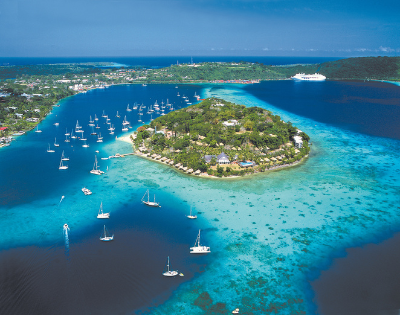
Vanuatu: The Enchanting Archipelago

kwmedley.com – Nestled in the South Pacific Ocean, Vanuatu is a captivating paradise known for its stunning landscapes, rich cultural heritage, and vibrant traditions. Comprising around 83 islands, this archipelago offers an enchanting blend of natural beauty and cultural diversity, making it a unique destination for travelers and researchers alike.

Geography and Climate

Vanuatu is located about 1,750 kilometers east of Australia and consists of a chain of islands stretching over 1,300 kilometers. The islands are of volcanic origin, with lush mountains, dense rainforests, and pristine beaches. The climate is tropical, characterized by a warm and humid atmosphere with distinct wet and dry seasons.

History and Culture

Vanuatu’s history is a tapestry woven with tales of exploration and colonization. The islands were first inhabited by Melanesian people, and European explorers arrived in the 17th century. In 1906, the Anglo-French Condominium was established, governing the islands jointly until Vanuatu gained independence in 1980.

The culture of Vanuatu is a vibrant mix of Melanesian traditions and European influences. The Ni-Vanuatu people celebrate their heritage through music, dance, and customary ceremonies. The traditional practice of land diving on Pentecost Island is a particularly famous cultural event.

Economy and Development

The economy of Vanuatu is primarily based on agriculture, tourism, and fishing. The fertile soil supports crops like coconuts, cocoa, and kava. Tourism plays a significant role, with visitors drawn to its natural beauty and cultural experiences. Additionally, Vanuatu is a tax haven, attracting international businesses and investments.

Biodiversity and Environment

Vanuatu is blessed with an incredible array of biodiversity. Its rainforests are home to unique species of birds, insects, and plants. The surrounding coral reefs support a rich marine life, making it a popular destination for diving and snorkeling. However, Vanuatu is also vulnerable to natural disasters, including cyclones and volcanic eruptions, which pose challenges to its environment and development.

Conclusion

Vanuatu is a land of extraordinary beauty and cultural richness. Its islands offer a glimpse into a world where traditions thrive amidst modern influences. As a country that gracefully balances its natural wonders and cultural heritage, Vanuatu remains a beacon of allure in the vast Pacific.

Teknologi Jepang: Robot dan Kecerdasan Buatan

kwmedley – Jepang dikenal sebagai salah satu negara yang paling maju dalam bidang teknologi, terutama dalam pengembangan robot dan kecerdasan buatan (AI). Sejak Perang Dunia II, Jepang telah mengalami kemajuan pesat dalam berbagai bidang teknologi, termasuk robotika dan AI. Artikel ini akan membahas perkembangan teknologi robot dan AI di Jepang, serta bagaimana teknologi ini mempengaruhi berbagai aspek kehidupan masyarakat Jepang.

Pengembangan robot di Jepang memiliki sejarah yang panjang dan kaya. Sejak tahun 1960-an, Jepang telah mulai mengembangkan teknologi robot, dengan penelitian awal yang dilakukan oleh perusahaan seperti Kawasaki Heavy Industries yang memperkenalkan teknologi robot dari Amerika Serikat. Pada tahun 1972, Universitas Waseda menciptakan robot humanoid pertama di dunia yang mampu berkomunikasi dan bergerak di dalam ruangan.

Sejak saat itu, Jepang terus mengembangkan berbagai jenis robot untuk berbagai aplikasi, mulai dari industri hingga rumah tangga. Salah satu contoh terbaru adalah robot Pepper, yang dirancang untuk interaksi sosial dan telah digunakan di berbagai tempat seperti toko dan restoran.

Kecerdasan Buatan di Jepang

Kecerdasan buatan (AI) juga merupakan salah satu bidang yang sangat berkembang di situs slot server jepang. AI telah diintegrasikan ke dalam berbagai aspek kehidupan, mulai dari perangkat rumah tangga hingga sistem transportasi. Salah satu contoh penerapan AI yang menonjol adalah dalam bidang otomotif, di mana mobil-mobil modern dilengkapi dengan sistem AI untuk membantu pengemudi dalam berbagai situasi.

Selain itu, AI juga digunakan dalam bidang medis untuk membantu diagnosis dan perawatan pasien. Misalnya, robot medis seperti HOSPI dari Panasonic yang digunakan untuk mengantarkan obat dan sampel di rumah sakit.

Sektor Industri

Jepang adalah salah satu produsen robot industri terbesar di dunia. Robot industri digunakan secara luas dalam manufaktur, terutama di sektor otomotif dan elektronik. Perusahaan seperti Fanuc dan Kawasaki Heavy Industries telah mengembangkan robot yang mampu melakukan berbagai tugas dengan tingkat presisi yang tinggi.

Sektor Kesehatan

Dalam sektor kesehatan, robot dan AI digunakan untuk membantu perawatan pasien, terutama di negara yang menghadapi masalah penuaan populasi. Robot seperti HOSPI membantu mengurangi beban kerja tenaga medis dengan melakukan tugas-tugas rutin seperti mengantarkan obat dan sampel.

Sektor Pendidikan

Jepang juga mengintegrasikan AI ke dalam sistem pendidikan. Regulator menyerukan kehati-hatian dalam penggunaan AI generatif seperti ChatGPT oleh siswa, termasuk pemakaian untuk mengerjakan tugas sekolah8. Ini menunjukkan bahwa Jepang tidak hanya fokus pada pengembangan teknologi, tetapi juga pada etika dan penggunaan yang bertanggung jawab.

Meskipun Jepang telah mencapai banyak prestasi dalam bidang robot dan AI, masih ada tantangan yang harus dihadapi. Salah satu tantangan utama adalah masalah etika dan keamanan dalam penggunaan AI. Jepang telah mengeluarkan prinsip-prinsip AI yang berorientasi pada manusia untuk memastikan bahwa pengembangan dan penggunaan AI dilakukan dengan cara yang bertanggung jawab.

Selain itu, Jepang juga berupaya untuk memperluas penggunaan robot dan AI ke berbagai sektor lain, seperti pertanian dan konstruksi. Pemerintah Jepang memberikan subsidi untuk pengembangan robot yang dapat membantu berbagai tahapan pertanian, mulai dari pembenihan hingga panen.

Teknologi robot dan AI di Jepang telah berkembang pesat dan memiliki dampak yang signifikan pada berbagai aspek kehidupan masyarakat. Dari industri hingga kesehatan, robot dan AI telah membantu meningkatkan efisiensi dan kualitas hidup. Meskipun ada tantangan yang harus dihadapi, Jepang terus berkomitmen untuk mengembangkan teknologi ini dengan cara yang bertanggung jawab dan bermanfaat bagi masyarakat.

Zen Zone: Exploring the Tranquility of Japan

kwmedley.com – Japan, known as Nihon in Japanese, is a country where ancient traditions seamlessly blend with modern innovation. Amidst its bustling cities and technological advancements lies a serene and tranquil essence often referred to as the “Zen Zone.” This unique atmosphere invites visitors to experience a profound sense of peace and introspection.

The Harmony of Nature and Culture

Japan’s landscapes are a testament to its deep connection with nature. From the iconic cherry blossoms in spring to the vibrant hues of autumn leaves, each season brings a new opportunity to appreciate the natural beauty that surrounds you. Traditional gardens, such as those found in Kyoto, embody the principles of Zen, offering spaces for meditation and contemplation.

The Art of Mindfulness

Zen Buddhism, which has profoundly influenced Japanese culture, emphasizes mindfulness and living in the present moment. This philosophy is evident in practices such as the traditional tea ceremony, where every movement is deliberate and meaningful. Participating in a tea ceremony allows individuals to slow down and savor each moment, fostering a sense of calm and harmony.

Cultural Treasures and Spiritual Retreats

Japan is home to numerous temples and shrines that provide a sanctuary for reflection and spiritual growth. Places like the tranquil Ryoan-ji Temple in Kyoto, with its famous rock garden, invite visitors to embrace simplicity and find peace within themselves. These sacred sites offer a glimpse into Japan’s rich spiritual heritage and provide a space for introspection amid the demands of modern life.

Balancing Tradition and Modernity

In Japan, the past and present coexist harmoniously. While cities like Tokyo buzz with energy and innovation, traditional practices and customs remain deeply rooted in everyday life. This balance is part of what makes Japan’s Zen Zone so unique – the ability to find tranquility even amidst the vibrant pace of urban living.

Conclusion

The Zen Zone in Japan is more than just a concept; it’s a way of life that encourages individuals to seek balance, harmony, and inner peace. Whether you’re wandering through a quiet bamboo grove in Arashiyama, participating in a meditation session at a Zen temple, or simply enjoying the stillness of a traditional garden, Japan offers countless opportunities to connect with your inner self and find serenity in the chaos of everyday life.

Perjalanan ke Battambang: Seni dan Budaya di Kota Tua

kwmedley Battambang, Kamboja – Terletak di barat laut Kamboja, Battambang dikenal sebagai kota kedua terbesar di negara ini setelah Phnom Penh. Kota ini memiliki kekayaan sejarah, seni, dan budaya yang melimpah, menjadikannya tujuan wisata yang menarik bagi para pelancong yang ingin merasakan pesona Kamboja yang autentik.

Battambang memiliki sejarah yang kaya dan beragam, dimulai dari masa kerajaan Khmer kuno. Pada abad ke-11, kota ini menjadi pusat penting bagi kerajaan tersebut dan terlihat dari banyaknya situs bersejarah yang dapat ditemukan di sekitar daerah ini. Selama penjajahan Prancis, Battambang berkembang pesat sebagai pusat perdagangan dan agrikultur, sehingga meninggalkan jejak arsitektur kolonial yang masih dapat dilihat hingga kini.

Seni dan budaya adalah jantung dari Battambang. Salah satu tempat yang wajib dikunjungi adalah Museum Battambang, yang menyimpan koleksi artefak sejarah, seni rupa, dan budaya lokal. Di museum ini, pengunjung dapat belajar tentang tradisi dan kebudayaan masyarakat Kamboja, termasuk seni tari dan musik tradisional.

perjalanan-ke-battambang-seni-dan-budaya-di-kota-tua

Kota ini juga dikenal dengan seni lukis dan patungnya. Sangkar, sebuah pusat seni, menawarkan berbagai kelas dan workshop bagi pengunjung yang ingin mencoba melukis atau membuat patung dengan teknik tradisional Kamboja. Selain itu, pengunjung juga dapat menemukan banyak galeri seni lokal yang memamerkan karya-karya seniman muda dan mapan.

Battambang menjadi tuan rumah berbagai festival yang merayakan seni dan budaya lokal. Salah satu festival terbesar adalah Festival Seni Battambang, yang diadakan setiap tahun dan menampilkan pertunjukan tari, musik, dan teater dari seniman lokal. Festival ini tidak hanya menarik perhatian penduduk setempat tetapi juga pelancong dari seluruh dunia yang ingin merasakan keindahan dan kekayaan budaya Kamboja.

Selain mengeksplorasi seni dan budaya, Battambang menawarkan berbagai kegiatan wisata yang menarik. Salah satunya adalah perjalanan dengan kereta bambu yang ikonis, di mana pengunjung dapat menikmati pemandangan alam yang indah sambil merasakan pengalaman unik naik kereta tradisional ini. Selain itu, jangan lewatkan Caves of Battambang, tempat yang penuh dengan sejarah dan keindahan alam.

perjalanan-ke-battambang-seni-dan-budaya-di-kota-tua

Bagi pecinta kuliner, Battambang juga menawarkan pengalaman gastronomi yang luar biasa. Berbagai restoran lokal menyajikan hidangan khas Kamboja, seperti Amok, yaitu hidangan ikan yang dimasak dengan santan dan rempah-rempah. Cobalah juga makanan jalanan di pasar lokal, di mana Anda dapat menemukan camilan lezat dan hidangan tradisional lainnya.

Perjalanan ke Battambang https://sikandar-medical.com/ adalah kesempatan untuk merasakan seni dan budaya Kamboja secara mendalam. Dari sejarah yang kaya hingga seni yang berkembang, kota ini menawarkan pengalaman yang tak terlupakan bagi setiap pengunjung. Jangan lewatkan kesempatan untuk mengeksplorasi keindahan Battambang dan merasakan keramahan penduduk lokal yang akan membuat perjalanan Anda semakin berkesan.

Qatar’s Diplomatic Relations & International Influence

kwmedley.com – Qatar, a small yet influential nation in the Middle East, has established itself as a significant player in global diplomacy and international relations. Despite its modest size and population, Qatar’s strategic location, economic wealth, and proactive foreign policy have enabled it to wield considerable influence on the world stage.

Historical Context and Early Diplomatic Efforts

Qatar gained independence from British protectorate in 1971 and initially played a minor role in international affairs. However, under the leadership of Sheikh Hamad bin Khalifa Al Thani, who ruled from 1995 to 2013, Qatar began to assert its regional and global influence. One of the first major steps was the establishment of Al Jazeera, a state-owned news media company that quickly became a prominent voice in the Arab world and beyond.

Diversification of Diplomatic Alliances

Qatar’s diplomatic strategy is characterized by its non-aligned approach, where it maintains relationships with a wide array of countries, regardless of their political ideologies or regional alliances. This approach has allowed Qatar to develop close ties with both Western powers and regional neighbors, including countries that are often at odds with each other. For instance, Qatar has maintained friendly relations with Iran, despite the latter being a significant adversary of many Gulf states.

Mediation and Conflict Resolution

Qatar has actively engaged in mediation efforts to resolve conflicts around the world. Notable examples include its role in mediating the border dispute between Djibouti and Eritrea in 2010, and its involvement in the peace process in Libya and Syria. These efforts have positioned Qatar as a key mediator in the Middle East and beyond, often acting as a bridge between conflicting parties.

Economic Diplomacy

Qatar’s economic wealth, primarily derived from its vast natural gas reserves, has been a significant factor in its diplomatic success. The country has used its economic resources to foster international partnerships and support development projects in various regions, including Africa and South Asia. This economic diplomacy has helped Qatar expand its influence and build goodwill on the global stage.

Challenges and Controversies

Despite its successes, Qatar has faced significant diplomatic challenges, most notably the 2017 diplomatic crisis with its Gulf neighbors, including Saudi Arabia, the UAE, and Bahrain. These countries severed ties with Qatar, citing concerns over its support for terrorism and its close ties with Iran. This crisis highlighted the complexities of Qatar’s diplomatic strategy and the tensions it can generate within the region.

The 2022 FIFA World Cup

Hosting the 2022 FIFA World Cup was a significant diplomatic and international relations milestone for Qatar. The event showcased the country’s ability to organize and host major international events, thereby enhancing its global profile and demonstrating its commitment to international cooperation and cultural exchange.

Conclusion

Qatar’s diplomatic relations and international influence are a testament to its strategic vision and proactive foreign policy. By maintaining a non-aligned stance, engaging in conflict resolution, and leveraging its economic resources, Qatar has managed to transcend its small size to become a significant player in global diplomacy. Despite facing challenges, Qatar continues to navigate the complexities of international relations with a focus on building bridges and fostering cooperation.

Easter Island: A UNESCO World Heritage Site

kwmedley.com – Easter Island, known locally as Rapa Nui, is a remote and mysterious island located in the southeastern Pacific Ocean. It is a territory of Chile and is renowned for its monumental stone statues, known as moai, which have captivated the world for centuries. In 1995, UNESCO designated Easter Island as a World Heritage Site, recognizing its unique cultural and historical significance.

Historical Background

Easter Island was first settled by Polynesian people around the 4th century AD. The island’s isolation and unique environment led to the development of a distinct culture, characterized by the creation of the iconic moai statues. These statues, carved from volcanic rock, are believed to represent important figures such as ancestors, chiefs, or other significant individuals in Rapa Nui society.

The Moai Statues

The moai statues are the most recognizable feature of Easter Island. These massive stone figures, averaging 13 feet (4 meters) tall and weighing around 14 tons, were carved from the volcanic rock found in the Rano Raraku quarry. The exact purpose of these statues remains a mystery, but most scholars believe they were created to honor important individuals or to serve as guardians of the island.

Environmental and Cultural Challenges

The Rapa Nui people faced significant environmental challenges, including deforestation and soil erosion, which may have contributed to the decline of their civilization. By the time Europeans arrived in 1722, the island was largely barren, and its population had significantly decreased. Today, conservation efforts are crucial to preserve the island’s unique cultural heritage and natural environment.

UNESCO World Heritage Site

In 1995, Easter Island was inscribed as a UNESCO World Heritage Site, encompassing the entire island and its surrounding waters. The designation aims to protect the island’s archaeological sites, including the moai statues, and to promote sustainable tourism practices that respect the island’s cultural and environmental integrity.

Tourism and Conservation

Tourism plays a significant role in the economy of Easter Island. Visitors are drawn to the island’s mysterious statues and its unique cultural history. However, the influx of tourists also poses challenges for conservation. Efforts are being made to balance tourism with the preservation of the island’s heritage, including the restoration of the moai statues and the protection of archaeological sites.

Conclusion

Easter Island remains one of the most enigmatic and fascinating places on Earth. Its rich history, unique culture, and the enduring mystery of the moai statues continue to attract scholars, tourists, and adventurers from around the world. As a UNESCO World Heritage Site, Easter Island stands as a testament to the ingenuity and resilience of the Rapa Nui people, and a reminder of the importance of preserving our shared cultural heritage.

Nauru’s Role in International Organizations

kwmedley.com – Nauru, a small island nation in the Central Pacific, plays a significant role in various international organizations despite its size. As one of the smallest United Nations members, Nauru is committed to multilateralism and actively participates in numerous global bodies to address issues such as human rights, health, and economic development.

United Nations

Nauru is a member of the United Nations and actively participates in its General Assembly debates. The country advocates for multilateralism and calls for global action on pressing issues, reflecting its commitment to international cooperation.

International Monetary Fund (IMF)

Nauru engages with the International Monetary Fund (IMF) through regular Article IV consultations. These consultations assess Nauru’s economic policies and provide recommendations for sustainable growth. The IMF’s reports highlight Nauru’s structural challenges, including its small size and remoteness, which constrain potential growth and make it vulnerable to climate change impacts.

World Health Organization (WHO)

The World Health Organization (WHO) Spaceman works closely with Nauru to develop national surveillance and control plans for Aedes vectors, which are crucial for preventing the spread of diseases like dengue and Zika. This collaboration underscores Nauru’s commitment to public health and its role in regional health initiatives.

Human Rights

Nauru has taken steps to strengthen its national human rights framework, including efforts towards ratifying outstanding international human rights treaties. The country’s engagement with the Office of the United Nations High Commissioner for Human Rights (OHCHR) and other human rights bodies demonstrates its commitment to improving human rights standards domestically and internationally.

Other International Organizations

Nauru is also a member of several other international organizations, including the Commonwealth, the International Exhibitions Bureau, the Asian Development Bank, the Pacific Islands Forum, and the Pacific Community. These memberships allow Nauru to participate in regional and global dialogues on a wide range of issues, from economic development to environmental conservation.

Conclusion

Despite its small size, Nauru plays a vital role in international organizations, contributing to global efforts in human rights, health, and economic development. Its active participation in bodies like the United Nations, IMF, and WHO highlights its commitment to multilateralism and its efforts to address the unique challenges faced by small island nations.

By engaging with these organizations, Nauru not only seeks to improve its own conditions but also contributes to the global community, advocating for the interests of small states and promoting international cooperation.

From Fish to Lamb: Iceland’s Culinary Delights

kwmedley.com – Iceland, a land of fire and ice, is not only renowned for its breathtaking landscapes but also for its unique and flavorful cuisine. The culinary traditions of Iceland are deeply rooted in the country’s history and its harsh climate, which has shaped the availability of ingredients and the methods of preparation. From the ocean’s bounty to the pastures of the countryside, Icelandic cuisine offers a variety of dishes that reflect the nation’s connection to nature.

The Ocean’s Bounty: Icelandic Fish Delicacies

Iceland’s location in the North Atlantic Ocean makes it a haven for seafood lovers. The cold waters surrounding the island are teeming with life, providing a rich source of fish that has been a staple in the Icelandic diet for centuries. One of the most popular fish dishes is “harðfiskur,” or dried fish, often served with butter and a touch of skyr, a traditional Icelandic yogurt. This simple yet delicious snack is a testament to the ingenuity of Icelanders in preserving food during the long winters.

Another iconic Icelandic seafood dish is “Þorskur og blóðmör,” which translates to cod and blood pudding. This dish combines the fresh flavors of cod with the rich, savory taste of blood pudding, creating a unique culinary experience that is both hearty and comforting.

The Lamb of the Land: A Taste of Iceland’s Countryside

Icelandic lamb is another culinary delight that cannot be missed. The lambs graze freely on the lush pastures of the Icelandic countryside, feeding on a diet of wild herbs and grasses that give the meat its distinctive flavor. “Hangikjöt” is a traditional Icelandic smoked lamb that is often served thinly sliced, allowing the smoky, tender meat to shine. This dish is a favorite during the festive season, especially at Christmas.

For those looking for a more rustic experience, “Svið” is a traditional Icelandic dish made from the singed head of a lamb. The head is boiled and then served with “bragðarefur,” a savory pudding made from the brain and other offal. This dish may seem unusual to some, but it is a true delicacy that showcases the resourcefulness of Icelandic cuisine.

Traditional Dishes with a Modern Twist

In recent years, Icelandic chefs have been reimagining traditional dishes with a modern twist, blending local ingredients with international influences. Restaurants across the country are now offering innovative interpretations of classic Icelandic fare, such as “Plokkfiskur,” a creamy mashed fish dish that is now served with a variety of toppings and sides.

The use of foraged ingredients, such as wild berries, herbs, and mushrooms, has also become a hallmark of modern Icelandic cuisine. These ingredients add a touch of wilderness to dishes, reflecting the country’s untamed landscapes.

Conclusion

Iceland’s culinary delights are as diverse and captivating as the country itself. From the fresh seafood that graces the tables to the succulent lamb that roams the fields, Icelandic cuisine offers a taste of the land and sea. Whether you’re savoring the simplicity of dried fish or indulging in the rich flavors of smoked lamb, Iceland’s food is an adventure that promises to delight the senses and warm the soul.

Conservation and Recreation: Australia’s National Parks

kwmedley.com – Australia’s national parks are treasures that encapsulate the country’s unique biodiversity, geological wonders, and natural beauty. These protected areas are not only vital for conservation efforts but also serve as popular destinations for recreation and tourism. This article explores the dual role of Australia’s national parks in preserving the nation’s natural heritage while providing opportunities for visitors to enjoy and learn about the environment.

The Importance of National Parks for Conservation

Biodiversity Hotspots

Australia’s national parks are home to a vast array of flora and fauna, many of which are found nowhere else on Earth. These parks act as biodiversity hotspots, providing critical habitats for endangered species and supporting complex ecosystems.

Protecting Endangered Species

Several national parks are dedicated to the conservation of endangered species. Through initiatives such as habitat restoration, captive breeding programs, and predator control, these parks play a crucial role in the survival of species like the koala, the Tasmanian devil, and the bilby.

Environmental Research and Monitoring

National parks serve as living laboratories for environmental research. Scientists study ecosystem dynamics, climate change impacts, and conservation strategies within these protected areas, contributing valuable knowledge to global conservation efforts.

National Parks as Recreational Destinations

Outdoor Activities

Australia’s national parks offer a wide range of outdoor activities, including hiking, camping, bird watching, and picnicking. These activities allow visitors to experience the natural beauty of the parks firsthand and promote a deeper connection with the environment.

Educational Opportunities

Many national parks provide educational programs and guided tours that help visitors learn about the local ecosystems, wildlife, and conservation efforts. These experiences are invaluable for fostering environmental awareness and stewardship.

Economic Benefits

National parks contribute significantly to Australia’s economy through tourism. Visitors from around the world are attracted to these areas, supporting local businesses and creating jobs in regions that may have limited economic opportunities otherwise.

Balancing Conservation and Recreation

Sustainable Tourism Practices

To ensure that recreational activities do not harm the natural environment, national parks implement sustainable tourism practices. These include limiting visitor numbers, enforcing regulations to protect wildlife and habitats, and promoting eco-friendly behaviors among visitors.

Community Engagement

Engaging local communities in the management and conservation of national parks is crucial. Indigenous knowledge, in particular, is invaluable for understanding and protecting the natural and cultural heritage of these areas.

Adaptation to Climate Change

National parks face ongoing challenges from climate change, including increased fire risk, habitat loss, and shifting species distributions. Adaptive management strategies are essential to mitigate these impacts and ensure the long-term resilience of these protected areas.

Conclusion

Australia’s national parks are more than just scenic destinations; they are vital conservation areas that protect the country’s unique biodiversity and provide important recreational opportunities. By balancing conservation efforts with sustainable tourism, these parks ensure that future generations can continue to enjoy and learn from these natural wonders. As such, it is imperative to support and protect these invaluable assets for the benefit of both the environment and society.

Switzerland’s 2024 Summer Tourism Campaign

kwmedley.com – In 2024, Switzerland is set to launch a captivating summer tourism campaign under the slogan “You Need a Vacation, You Need Switzerland.” This campaign aims to position Switzerland as the ultimate destination for relaxation, adventure, and cultural enrichment during the summer months. With a focus on its breathtaking landscapes, vibrant cities, and rich heritage, Switzerland is poised to attract visitors from around the globe.

The Campaign’s Core Message

The core message of the campaign, “You Need a Vacation, You Need Switzerland,” encapsulates the essence of what Switzerland offers to travelers. It highlights the idea that Switzerland is not just a destination but a necessity for those seeking a perfect blend of natural beauty, cultural experiences, and outdoor activities. The campaign aims to resonate with individuals who are looking to escape the hustle and bustle of daily life and immerse themselves in the tranquility and excitement that Switzerland has to offer.

Key Elements of the Campaign

1. Promotion of Natural Attractions

Switzerland’s natural landscapes, including the majestic Alps, serene lakes, and lush valleys, are at the heart of the campaign. The promotion will focus on activities such as hiking, mountain biking, and paragliding, encouraging visitors to explore the great outdoors and experience the country’s unparalleled natural beauty.

2. Cultural and Historical Experiences

The campaign will also highlight Switzerland’s rich cultural and historical offerings. From medieval castles and historic towns to world-class museums and festivals, Switzerland promises a journey through time and tradition, offering visitors a deep dive into the country’s heritage.

3. Wellness and Relaxation

Recognizing the need for relaxation and rejuvenation, the campaign will promote Switzerland’s wellness retreats, spas, and resorts. The emphasis will be on the healing powers of nature, along with the country’s renowned hospitality, ensuring that visitors leave feeling refreshed and revitalized.

4. Culinary Delights

Switzerland’s culinary scene, featuring local specialties, fine dining, and traditional dishes, will be another highlight of the campaign. The promotion will encourage travelers to indulge in the country’s gastronomic offerings, from cheese fondue and chocolate to innovative dishes crafted by world-class chefs.

Marketing Strategies

To ensure the campaign’s success, Switzerland will employ a multi-faceted marketing strategy. This will include digital marketing, social media campaigns, partnerships with travel influencers, and collaborations with international travel agencies. The goal is to reach a wide audience and create a sense of urgency and desire to visit Switzerland during the summer of 2024.

Conclusion

Switzerland’s 2024 summer tourism campaign, “You Need a Vacation, You Need Switzerland,” promises to be a compelling invitation to travelers seeking an unforgettable summer experience. By highlighting the country’s natural beauty, cultural richness, wellness offerings, and culinary delights, the campaign aims to position Switzerland as the ultimate summer destination. As the campaign unfolds, it is expected to attract visitors from around the world, eager to discover the magic of Switzerland.

The Rich History of Suriname

kwmedley.com – Suriname, a small country on the northeastern coast of South America, boasts a rich and diverse history that is a testament to its multicultural heritage. From its indigenous peoples to the Dutch colonization and the influence of African, Indian, Javanese, and Chinese immigrants, Suriname’s history is a tapestry of cultures and events that have shaped the nation into what it is today.

Pre-Colonial Era

Before the arrival of European explorers, Suriname was inhabited by various indigenous tribes, including the Arawak and Carib peoples. These communities lived in harmony with the lush rainforests and rivers that dominate the landscape, engaging in subsistence farming, hunting, and fishing.

Colonial Rule

The history of Suriname took a dramatic turn in the 16th century when European powers began to colonize the Americas. The Dutch established control over the area in the early 17th century, naming it Dutch Guiana. The colonial era was marked by the exploitation of natural resources, particularly sugar, and the establishment of plantation economies that relied heavily on African slave labor.

Slavery and Abolition

The institution of slavery in Suriname was a dark chapter in its history. The brutal treatment of enslaved Africans led to numerous revolts and marronage, where escaped slaves formed independent communities in the interior of the country. The most famous of these communities was the Aluku kingdom, led by the legendary figure Boni.

The abolition of slavery in 1863 was a significant milestone in Suriname’s history. However, the end of slavery did not immediately lead to equality. The Dutch brought in indentured laborers from India, Java, and China to work on the plantations, further diversifying the population and cultural landscape.

Independence and Beyond

Suriname gained its independence from the Netherlands on November 25, 1975. The road to independence was not without its challenges, and the young nation faced political instability and economic difficulties in the years that followed. Despite these challenges, Suriname has maintained its unique cultural identity and has worked to establish itself as a democratic and multicultural society.

Cultural Heritage

The rich history of Suriname is reflected in its vibrant cultural heritage. The country is home to a multitude of festivals, music, dance, and cuisine that celebrate its diverse ethnic groups. The annual Moko Jumbie festival, for example, is a lively celebration of African heritage, featuring stilt walkers and drumming.

Preservation and Tourism

Efforts to preserve the historical sites and cultural traditions of Suriname are crucial for maintaining the country’s rich history. Tourism has become an important avenue for sharing Suriname’s unique story with the world. The Surinaams Museum in Paramaribo, the capital city, offers insights into the country’s colonial past and the lives of its various ethnic groups.

In conclusion, the history of Suriname is a complex and fascinating narrative that speaks to the resilience and diversity of its people. From the indigenous tribes to the colonial era and beyond, Suriname’s past is a testament to the enduring spirit of its multicultural society. As the country continues to develop, it remains committed to preserving its heritage and sharing its story with the world.

Gambian Sports: From Local Games to International Games

kwmedley.com – The Gambia, a small West African nation, has a vibrant sports culture that reflects its rich traditions and growing aspirations on the international stage. From local games played in village squares to athletes competing in global arenas, The Gambia’s sports scene is a tapestry of community spirit, national pride, and international ambition.

The Roots of Gambian Sports

The foundation of Gambian sports lies in traditional games and activities that have been passed down through generations. Wrestling, for instance, is a popular local sport that embodies strength, skill, and cultural heritage. It is not only a form of entertainment but also a way to settle disputes and showcase masculinity.

Community and School Sports

Sports in The Gambia are also deeply ingrained in community and school life. Football (soccer) is the most popular sport among youth, with children playing in makeshift fields and aspiring to join local clubs. Schools and communities organize leagues and tournaments, fostering a sense of teamwork and competition from an early age.

The Rise of Gambian Athletes

Despite limited resources, Gambian athletes have made significant strides on the international stage. The country has produced notable athletes in various sports, including football, athletics, and boxing. The Gambia’s participation in international competitions, such as the Olympic Games and the African Cup of Nations, has raised its profile in the global sports arena.

Football: The National Passion

Football is the national passion in The Gambia, with the national team, the Scorpions, enjoying widespread support. The Gambia Football Federation has worked to develop the sport’s infrastructure, organizing leagues and promoting youth development. The country’s football stars, who play both domestically and abroad, are celebrated as national heroes.

Athletics and Boxing: Emerging Talents

Athletics and boxing are other areas where Gambian talent is beginning to shine. Sprinters and boxers have started to make their mark in regional and international competitions, showcasing the country’s potential in these disciplines.

Challenges and Opportunities

The Gambia faces several challenges in developing its sports infrastructure, including limited funding, facilities, and training opportunities. However, with strategic investments and partnerships, there is an opportunity to build on the country’s sporting successes and create a more robust ecosystem for athletes to thrive.

Conclusion

The Gambia’s sports culture is a testament to the resilience and passion of its people. From local games to international competitions, the country’s athletes continue to inspire and represent The Gambia with pride. As the nation looks to the future, there is a growing optimism that with continued support and development, Gambian sports will reach new heights on the world stage.
From the Track to the Pitch: Kenya’s Sports Triumphs

kwmedley.com – Kenya has long been a powerhouse in the world of sports, particularly in long-distance running. However, the country’s athletic prowess extends beyond the track, with notable achievements in football (soccer) and other sports. This article explores Kenya’s sports triumphs, highlighting the nation’s dominance in athletics and its growing presence on the international football scene.

Kenya’s Dominance in Long-Distance Running

Kenya’s most celebrated sporting success comes from long-distance running. The country has produced numerous world champions and Olympic medalists, such as Eliud Kipchoge, who famously broke the two-hour marathon barrier. The success of Kenyan runners can be attributed to a combination of genetic predisposition, rigorous training regimens, and a culture that values running.

The Rise of Kenyan Football

While athletics has been the mainstay of Kenya’s sporting success, football has been gaining momentum. The national team, Harambee Stars, has been making strides in continental competitions, qualifying for the Africa Cup of Nations and showcasing the country’s potential on the pitch. The development of local leagues and the investment in youth programs are laying the groundwork for future triumphs.

Other Sports on the Rise

Kenya’s sports triumphs are not limited to running and football. The country has also made its mark in rugby, with the national rugby sevens team, the Shujaa, achieving success in the World Rugby Sevens Series. Additionally, Kenya has a growing presence in cricket, with the national team participating in international tournaments.

The Role of Government and Private Sector Support

The success of Kenya’s sportsmen and women is also due to the support from the government and the private sector. Investment in infrastructure, training facilities, and coaching has been crucial in nurturing talent and enabling athletes to compete on the world stage.

Conclusion

Kenya’s sports triumphs are a testament to the nation’s dedication and talent. From the track to the pitch, Kenyan athletes continue to inspire and achieve greatness. As the country continues to invest in sports development, it is poised to produce even more champions and further cement its place in the annals of sporting history.

Jamaica’s Role in the Global Community

kwmedley.com – Jamaica, a small island nation in the Caribbean, has historically played a significant role in the global community, punching above its weight in diplomatic and international relations. Despite its size, Jamaica has been an influential voice on the world stage, advocating for issues such as climate change, sustainable development, and human rights. This article explores Jamaica’s role in international diplomacy and its contributions to global affairs.

Historical Context

Jamaica’s involvement in international relations dates back to its independence from Britain in 1962. Since then, the country has been an active member of various international organizations, including the United Nations (UN), the Commonwealth, the Organization of American States (OAS), and the Caribbean Community (CARICOM). Jamaica’s foreign policy has traditionally focused on fostering good relations with its neighbors, maintaining strong ties with former colonial powers, and advocating for the interests of small island developing states (SIDS).

Diplomatic Initiatives

Jamaica has been a proponent of multilateralism and has used its diplomatic channels to address global challenges. The country has been particularly vocal on climate change, recognizing the existential threat it poses to SIDS. Jamaica has participated in numerous international climate conferences, pushing for agreements that reflect the needs of vulnerable nations.

In addition to climate change, Jamaica has been involved in peacekeeping missions and has contributed troops to UN peacekeeping operations. The country’s commitment to international peace and security has earned it respect within the international community.

Economic Diplomacy

Economically, Jamaica has sought to diversify its trade relations and attract foreign investment. The country has engaged in bilateral and regional trade agreements to boost its economy and create opportunities for its citizens. Jamaica’s bauxite and tourism industries are key areas where the country has leveraged international partnerships to drive growth.

Cultural Diplomacy

Jamaica’s rich culture, including its music, cuisine, and language, has been a powerful tool in its diplomatic arsenal. The global appeal of reggae music, in particular, has served as a cultural ambassador for the island, fostering goodwill and understanding among different nations.

Conclusion

Jamaica’s role in the global community is a testament to the impact that small nations can have on the international stage. Through its diplomatic efforts, Jamaica has not only advanced its own interests but has also contributed to the betterment of global affairs. As the world continues to face complex challenges, Jamaica’s voice and actions will remain crucial in shaping a more sustainable and equitable international order.

Celebrating Heritage and Culture: Andorra’s Festivals

kwmedley.com – Andorra, a small landlocked country nestled in the Pyrenees mountains between France and Spain, boasts a rich tapestry of traditions and cultural celebrations. Despite its diminutive size, Andorra’s festivals are vibrant expressions of its heritage, showcasing the country’s unique identity and the enduring spirit of its people. From the exuberant parades of La Diada to the solemn processions of Semana Santa, Andorra’s festivals offer a glimpse into the heart and soul of this mountainous nation.

  1. La Diada Nacional d’Andorra: A Celebration of Independence
    One of the most significant events in Andorra’s calendar is La Diada Nacional d’Andorra, the National Day, celebrated on September 8th. This festival commemorates the signing of a charter in 1278 that established the co-principality under the joint sovereignty of the French Count of Foix and the Bishop of Urgell in Spain. The day is marked by parades, traditional music, and dance, with locals donning traditional costumes to honor their history.
  2. Carnaval d’Andorra: A Winter Carnival of Masks and Merriment
    During the winter months, Andorra transforms into a whimsical wonderland with the arrival of the Carnaval d’Andorra. This vibrant festival features masked balls, street parties, and parades, where participants don elaborate costumes to celebrate the end of winter. The carnival is a time of joy and revelry, with each town and village hosting its own festivities.
  3. Semana Santa: Holy Week Observances
    Andorra’s Semana Santa, or Holy Week, is a deeply religious observance that precedes Easter. The week is filled with solemn processions, with locals carrying statues of saints and religious figures through the streets. The events are a poignant reminder of Andorra’s Catholic heritage and the importance of faith in the community.
  4. Festa Major: Town and Village Celebrations
    Throughout the year, Andorra’s towns and villages celebrate their own Festa Major, or main festival. These events are a testament to the country’s strong sense of community and local pride. From fireworks and concerts to traditional sports and craft fairs, each Festa Major is unique, reflecting the character and history of the area.
  5. Andorra’s Winter and Summer Festivals: Embracing the Seasons
    Andorra’s love for the outdoors is evident in its winter and summer festivals. The Grandvalira Total Festival in winter is a celebration of snow sports, music, and mountain culture, while the Andorra Summer Music Festival brings renowned artists to the country’s stages, set against the stunning backdrop of the Pyrenees.

Conclusion

Andorra’s festivals are more than just celebrations; they are a living legacy of the country’s history and traditions. Through these vibrant events, Andorrans honor their past while looking forward to the future, inviting visitors to share in the joy and spirit of their cultural heritage. Whether it’s the pageantry of La Diada, the revelry of Carnaval, or the devotion of Semana Santa, Andorra’s festivals offer a rich tapestry of experiences that celebrate the essence of this remarkable nation.

Progress and Challenges: The Albanian Education System

kwmedley.com – The Albanian education system has undergone significant transformations since the fall of communism in 1991. From a highly centralized and ideologically driven system, it has evolved into a more open and diverse structure, aiming to align with European standards. This article explores the progress made in the Albanian education system and the challenges it continues to face.

Historical Context

Prior to 1991, the Albanian education system was characterized by strict adherence to communist ideology, with limited access to higher education and a curriculum that emphasized political indoctrination over critical thinking. The collapse of the communist regime opened the door to reforms, including the introduction of a more flexible curriculum, the expansion of higher education opportunities, and the promotion of private education.

Progress in the Albanian Education System

Curriculum Reform

One of the significant achievements in the Albanian education system has been the modernization of the curriculum. Efforts have been made to introduce more practical and student-centered learning methods, focusing on critical thinking, problem-solving, and the use of technology in education.

Expansion of Higher Education

The number of higher education institutions has grown substantially, providing more opportunities for students to pursue undergraduate and postgraduate studies. This expansion has been accompanied by an increase in the number of study programs, many of which are now offered in English, attracting international students.

Integration with European Education Standards

Albania has made strides in aligning its education system with the European Higher Education Area (EHEA) standards. This includes the adoption of the Bologna Process, which has facilitated the recognition of Albanian degrees across Europe and promoted student and staff mobility.

Challenges Facing the Albanian Education System

Quality of Education

Despite the expansion of educational opportunities, there are concerns about the quality of education in Albania. Critics argue that the focus on quantity has overshadowed the need to improve teaching standards and learning outcomes.

Infrastructure and Resources

Many schools and universities in Albania lack adequate infrastructure and resources. Classrooms are often overcrowded, and there is a shortage of teaching materials and technology, which hampers the effectiveness of modern teaching methods.

Corruption and Inequality

Corruption remains a significant challenge in the Albanian education system, affecting everything from university admissions to the awarding of scholarships. Additionally, there are disparities in educational opportunities between urban and rural areas, with students from rural backgrounds facing greater barriers to accessing quality education.

Conclusion

The Albanian education system has made commendable progress since the early 1990s, moving towards a more open, diverse, and European-oriented model. However, the journey towards a high-quality, inclusive, and equitable education system is far from over. Addressing the challenges of quality, infrastructure, and inequality will be crucial for the continued development of education in Albania. As the country looks to the future, it must invest in its education system to ensure that it can compete on the global stage and provide its citizens with the skills and knowledge they need to thrive in the 21st century.

The Quest for the Moon and Mars: China’s Space Ambitions

kwmedley.com – In the realm of space exploration, China has emerged as a formidable player with ambitious plans that extend beyond Earth’s orbit. The country’s space program, characterized by its rapid advancements and strategic goals, has set its sights on the Moon and Mars, aiming to leave its mark on the annals of space history. This article delves into China’s space ambitions, exploring the nation’s quest to reach these celestial bodies and the implications of its endeavors.

The Rise of China’s Space Program

China’s space ambitions are not new; they have been brewing for decades. However, it is in the past few years that the country has made significant strides, catching the world’s attention. The establishment of the China National Space Administration (CNSA) in 1993 marked the beginning of a new era for China’s space exploration. Since then, the CNSA has overseen numerous successful missions, including the launch of satellites, manned spaceflights, and lunar explorations.

The Lunar Ambitions: A Return to the Moon

China’s lunar exploration program, known as the Chang’e missions, is a testament to the country’s determination to explore the Moon. Named after the Moon goddess in Chinese mythology, the Chang’e missions have achieved several milestones. The Chang’e-4 mission made history by landing on the far side of the Moon in 2019, a feat never before accomplished. China’s lunar ambitions do not stop at exploration; the country plans to establish a research station on the Moon by 2036, which will include the construction of a research base and the potential for mining helium-3, a potential source of clean energy.

Mars: The Next Frontier

Mars has also become a focal point of China’s space ambitions. The Tianwen-1 mission, launched in 2020, is a significant step in this direction. Tianwen-1, which means “Questions to Heaven,” is China’s first independent interplanetary mission. The mission’s objectives include orbiting Mars, landing, and deploying a rover to explore the Martian surface. If successful, China will join a select group of nations that have landed on Mars, showcasing its growing space agency.

The Implications of China’s Space Ambitions

China’s space ambitions have far-reaching implications, not only for the country itself but for the global space community. The success of China’s lunar and Martian missions could pave the way for international cooperation in space exploration. However, it also raises questions about space governance, resource exploitation, and the potential for space militarization.

Conclusion

China’s quest for the Moon and Mars is a bold chapter in the nation’s space odyssey. With each successful mission, China not only advances its technological capabilities but also redefines its place in the global space arena. As China continues to pursue its space ambitions, the world watches with anticipation, eager to see how this new era of space exploration will unfold.

Guardians of History: Portugal’s Medieval Castles

kwmedley.com – Nestled along the western edge of Europe, Portugal is a country rich in history, culture, and architectural marvels. Among its most striking features are the medieval castles that dot the landscape, standing as silent witnesses to the country’s storied past. These castles are not just relics of a bygone era; they are guardians of history, preserving the tales of battles, conquests, and the lives of those who once walked their ramparts.

The Rise of Portugal’s Medieval Castles

The construction of castles in Portugal began in earnest during the Reconquista, a period spanning the 8th to the 15th century when Christian kingdoms fought to reclaim the Iberian Peninsula from Moorish rule. These fortifications were essential in defending territories and asserting control over newly conquered lands. The design and construction of these castles were influenced by a mix of Roman, Visigothic, and Moorish architectural styles, with later additions reflecting the influence of the Knights Templar and the Crusades.

Architectural Marvels

Portugal’s medieval castles are architectural marvels, each with its unique features and stories. The Castelo de São Jorge in Lisbon, perched atop a hill, offers panoramic views of the city and the Tagus River. Its strategic location highlights its importance in defending Lisbon from invaders. The Castelo dos Mouros in Sintra, with its distinctive cone-shaped towers, is a testament to Moorish ingenuity and blends seamlessly with the surrounding landscape.

The Alcáçova de Évora, with its austere beauty, was once a royal residence and a symbol of the power of the Portuguese monarchy. The Castelo de Guimarães, known as the “birthplace of the Portuguese nationality,” is steeped in legend and history, with its walls said to have witnessed the birth of Portugal’s first king, Afonso Henriques.

Castles as Cultural Heritage

Today, Portugal’s medieval castles are more than just historical sites; they are cultural heritage sites that attract visitors from around the world. They offer a glimpse into the life of medieval Portugal, with many castles housing museums that display artifacts and provide insights into the daily lives of their inhabitants.

The castles also play host to a variety of cultural events, from historical reenactments to music festivals, bringing these ancient structures to life and making them accessible to a modern audience.

Preservation and Restoration

The preservation of Portugal’s medieval castles is a testament to the country’s commitment to safeguarding its historical legacy. Many of these castles have undergone extensive restoration work to ensure they remain standing for future generations. These efforts are crucial, as they not only preserve the physical structures but also the intangible cultural heritage they represent.

Conclusion

Portugal’s medieval castles are more than just stones and mortar; they are guardians of history, keeping alive the stories of a nation’s past. They stand as a reminder of the struggles, triumphs, and the indomitable spirit of the Portuguese people. As we continue to explore and learn from these ancient fortresses, we are reminded of the importance of preserving our heritage for future generations to appreciate and cherish.

The Jive: South Africa’s Swing Dance

kwmedley.com – The vibrant and energetic dance scene of South Africa has long been a melting pot of cultural influences, giving birth to unique styles that reflect the country’s rich history and diverse population. Among these, the Jive stands out as a testament to the country’s love for swing music and dance. Originating from the fusion of American swing dances like the Lindy Hop and the Jitterbug with local African dance traditions, the Jive has become a symbol of South African dance culture, celebrated both locally and internationally.

Origins of the Jive

The roots of the Jive can be traced back to the early 20th century, when American swing music and dance began to make their way to South Africa. This was a period marked by significant social and political upheaval, yet it was also a time when music and dance served as a unifying force across racial and cultural divides. African dancers, with their deep-rooted traditions of rhythm and movement, embraced the swing dances but infused them with their own unique flair, creating a dance that was distinctly South African.

Characteristics of the Jive

The Jive is characterized by its fast tempo, lively steps, and energetic movements. It incorporates a variety of moves, including kicks, flicks, and swivels, all performed with a joyful exuberance that captures the essence of the dance. Unlike its American counterparts, which often emphasize partner work and synchronized routines, the Jive places a greater emphasis on individual expression and improvisation. This allows dancers to showcase their personality and skill, making each performance a unique experience.

The Jive in South African Culture

The Jive has become an integral part of South African culture, celebrated in dance halls, nightclubs, and community centers across the country. It has transcended its origins, appealing to people of all ages and backgrounds. The dance has also played a significant role in South Africa’s struggle for freedom, serving as a form of resistance and a means of expressing hope and joy in the face of adversity.

International Recognition

The Jive’s popularity has not been limited to South Africa’s borders. It has gained international recognition, with dancers from around the world embracing the style and incorporating it into their own repertoires. Festivals and workshops dedicated to the Jive have sprung up globally, offering opportunities for enthusiasts to learn from South African masters and experience the dance firsthand.

Preserving the Tradition

As with any cultural tradition, the preservation of the Jive is crucial to ensuring its survival for future generations. Efforts are being made to document and teach the dance, both within South Africa and abroad. Schools and dance academies are playing a vital role in this endeavor, providing structured programs that introduce young people to the history and techniques of the Jive.

Conclusion

The Jive is more than just a dance; it is a reflection of South Africa’s resilient spirit and its ability to create something beautiful out of diverse influences. It stands as a testament to the power of music and dance to bring people together, transcending cultural and social barriers. As the Jive continues to evolve and spread, it remains a vibrant symbol of South Africa’s rich cultural heritage and its enduring love for the joy of dance.

The Fight for America’s Natural Beauty: Environmental Stewardship

kwmedley.com – In the heart of America’s vast landscapes, from the rugged coastlines of the Pacific Northwest to the sun-kissed beaches of Florida, from the towering sequoias of California to the Appalachian trails of the East, lies a treasure that has been the pride of generations: the natural beauty of the United States. This beauty, however, is under threat from a myriad of environmental challenges, including pollution, deforestation, climate change, and loss of biodiversity. The fight to preserve and protect these natural wonders is the essence of environmental stewardship, a movement that is gaining momentum as more Americans recognize the importance of safeguarding the country’s natural heritage for future generations.

The Challenge of Climate Change

One of the key challenges facing environmental stewards is the fight against climate change. The United States is one of the world’s largest emitters of greenhouse gases, which contribute to global warming and its associated impacts, such as extreme weather events, rising sea levels, and habitat destruction. Environmental stewards are at the forefront of advocating for policies and practices that reduce carbon emissions, promote renewable energy, and protect vulnerable ecosystems from the impacts of climate change.

Conservation Efforts: Protecting Natural Treasures

Conservation efforts are another critical aspect of environmental stewardship. Organizations like the National Park Service, The Nature Conservancy, and the Sierra Club are instrumental in preserving America’s natural beauty through the protection of national parks, wildlife refuges, and other critical habitats. These efforts not only safeguard biodiversity but also provide recreational opportunities for millions of Americans and visitors from around the world.

Sustainable Tourism: Experiencing Nature Responsibly

As more people seek to experience the natural beauty of America, there is a growing recognition of the need to do so in a way that minimizes environmental impact. This includes practices such as eco-tourism, which focuses on responsible travel to natural areas that conserves the environment and improves the well-being of local people.

Community-Led Initiatives: Grassroots Action for the Environment

Community-led initiatives are also playing a vital role in the fight for America’s natural beauty. From local clean-up efforts to community gardens, from tree-planting campaigns to educational programs, individuals and groups across the country are taking action to protect their local environments. These grassroots efforts are essential in raising awareness and fostering a culture of environmental stewardship.

Policy-Making: The Role of Legislation in Environmental Protection

Policy-making is another critical arena where the battle for environmental stewardship is being fought. Environmental stewards advocate for laws and regulations that protect natural resources, such as clean air and water acts, wildlife protection laws, and land use regulations. They also push for policies that promote sustainable development and encourage the transition to a green economy.

Conclusion: A Collective Effort for the Future

The fight for America’s natural beauty is a complex and ongoing challenge that requires the collective effort of individuals, communities, businesses, and governments. Environmental stewardship is not just about preserving the natural wonders that make America unique; it is also about ensuring that these resources are managed in a way that is fair, equitable, and sustainable for all. As we continue to face the challenges of environmental degradation and climate change, the importance of environmental stewardship becomes ever more apparent. It is a call to action for every American to take responsibility for the natural world around us and to work together to protect and preserve the beauty that is our national heritage. The fight for America’s natural beauty is a fight for our future, and it is a fight that we can win with commitment, collaboration, and a deep respect for the natural world.

The Australian Passion for Playing Ball: Sports Mania

kwmedley.com – Australia is a nation where the love for sports runs deep in the veins of its people. From the bustling cities to the remote outback, the passion for playing ball is a unifying force that brings together communities, families, and individuals. This article delves into the heart of Australian sports culture, exploring the various ball games that have become an integral part of the national identity and the fervor with which they are played.
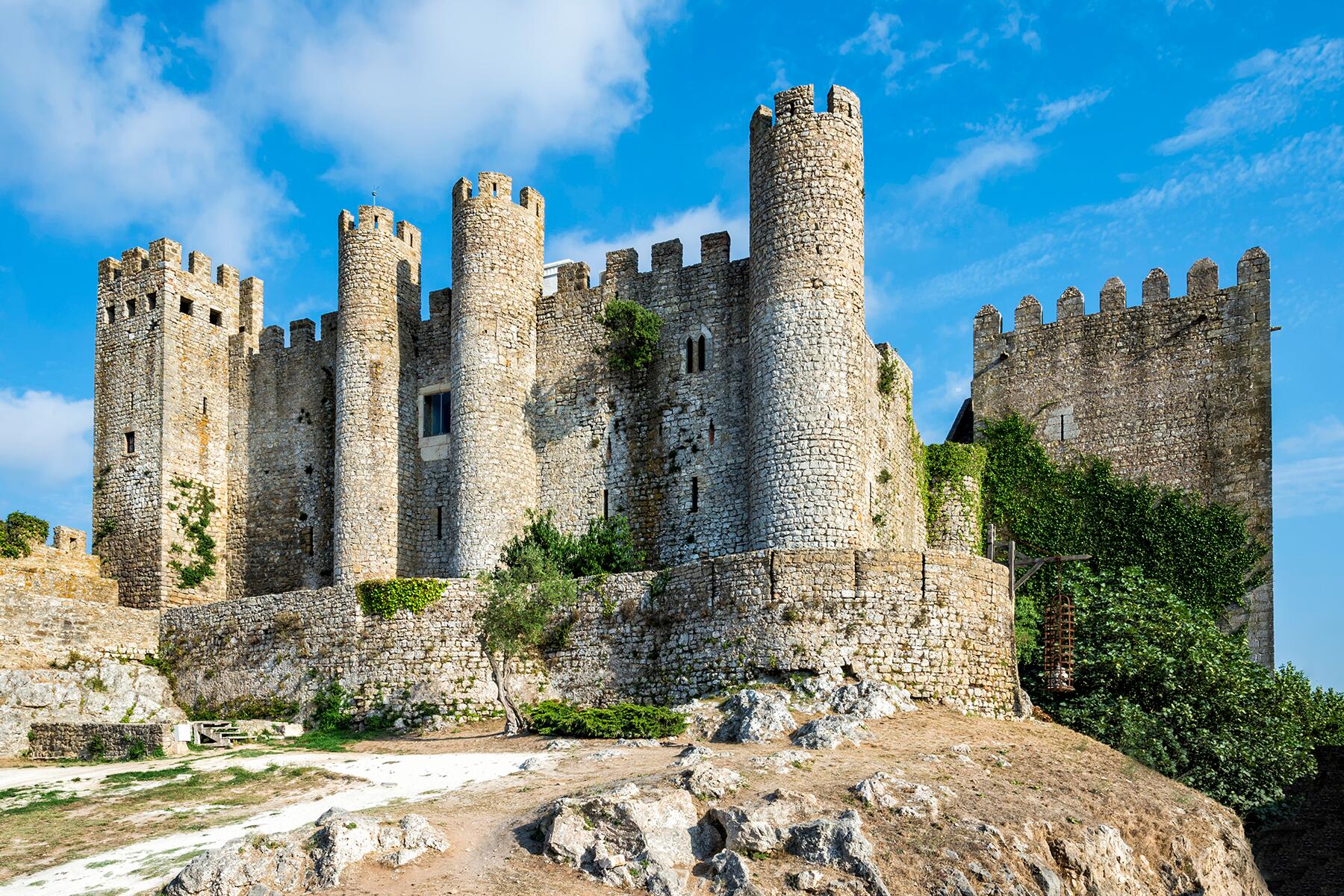
The Australian Rules Football Phenomenon: At the forefront of Australia’s sports mania is Australian Rules Football, affectionately known as “Aussie Rules” or simply “Footy.” This fast-paced and physically demanding sport is the most popular football code in the country and is unique to Australia. The Australian Football League (AFL) is the premier league, drawing massive crowds and boasting a fan base that spans generations. The Grand Final, held annually at the Melbourne Cricket Ground (MCG), is a spectacle that showcases the nation’s love for the game, with fans donning their team colors and engaging in tailgate parties that rival those of American football.

Cricket: The Summer Game: While winter belongs to football, summer in Australia is synonymous with cricket. The sport is deeply embedded in the national consciousness, with the Australian cricket team often referred to as the “baggy greens.” The Ashes series against England is a highlight of the cricketing calendar, stirring up intense rivalry and national pride. The Big Bash League (BBL), a professional Twenty20 cricket league, has also captured the imagination of the public, with its family-friendly atmosphere and high-octane matches played under the lights.

Basketball: Hoop Dreams Down Under: Basketball has seen a surge in popularity in Australia, with the National Basketball League (NBL) providing top-tier competition during the summer months. The success of Australian players in the NBA, such as Ben Simmons and Patty Mills, has further fueled the basketball craze. The sport’s accessibility and the success of the Australian Boomers on the international stage have made basketball a favorite among young Australians.

Soccer: The World Game Embraced: Soccer, or football as it’s known globally, has a growing presence in Australia. The A-League Men and A-League Women are the top-tier professional soccer leagues in the country, featuring teams from various cities and regions. The Socceroos, Australia’s national team, have competed in multiple FIFA World Cups, and the Matildas, the women’s national team, have been a source of inspiration and pride with their world-class performances.

Netball: A Community Staple: Netball is another ball sport that enjoys widespread participation, particularly among women and girls. The Suncorp Super Netball league is the pinnacle of the sport in Australia, with teams representing different states and territories. Netball is not just a professional sport but also a community activity, with countless local leagues and school teams fostering a sense of teamwork and sportsmanship.

The Grassroots Movement: The passion for playing ball in Australia is not limited to professional leagues and international competitions. Grassroots sports are the bedrock of the nation’s sports culture, with local clubs and community leagues providing opportunities for people of all ages and skill levels to participate. Whether it’s a weekend kickaround at the local park or a social netball game, the spirit of competition and camaraderie is alive and well.

Conclusion: The Australian passion for playing ball is a testament to the nation’s love for sports and its community-oriented culture. From the national obsession with Aussie Rules to the growing popularity of basketball and soccer, the diversity of ball games played in Australia reflects the multicultural fabric of its society. As the country continues to excel on the international stage and foster local talent, it’s clear that the sports mania that grips Australia will only grow stronger, uniting the nation through the universal language of play.