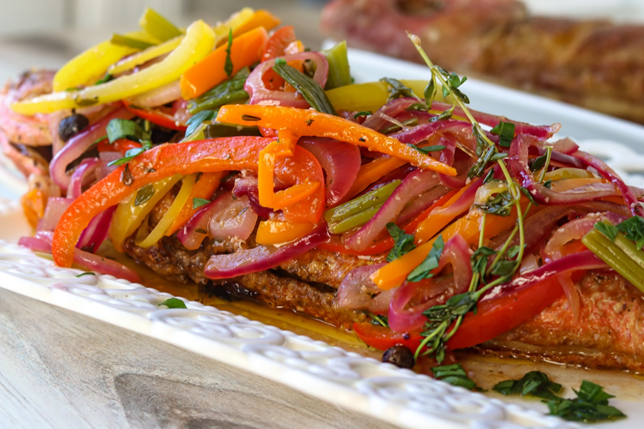
Escovitch Fish: A Tangy and Spicy Delight

kwmedley.com – Escovitch fish is a popular Jamaican dish that offers a unique blend of sweet, sour, and spicy flavors. It’s a simple yet incredibly flavorful dish that involves frying fish and then marinating it in a tangy vinegar-based sauce.

The Origins of Escovitch Fish

The origins of Escovitch fish can be traced back to the Spanish and Portuguese influence on Caribbean cuisine. The word “escabeche” comes from the Spanish and refers to a method of preserving food in vinegar. Over time, Jamaican cooks adapted this technique, incorporating local ingredients and spices to create their own unique version of the dish.

The Essential Ingredients

The key ingredients in Escovitch fish are:

  • Fish: A variety of fish can be used, including snapper, tilapia, or mackerel.
  • Vinegar: White vinegar is commonly used to create the tangy sauce.
  • Peppers: Scotch bonnet peppers or other hot peppers add heat and flavor to the sauce.
  • Onions: Red onions add a sweet and tangy flavor to the sauce.
  • Carrots: Carrots add a touch of sweetness and color to the dish.
  • Aromatic Spices: Thyme, allspice, and black pepper are essential for adding flavor to the sauce.

The Cooking Process

The cooking process for Escovitch fish is relatively simple. Here’s a general overview:

  1. Frying the Fish: The fish is typically cut into pieces and then fried until golden brown and crispy.
  2. Preparing the Sauce: The vinegar, peppers, onions, carrots, and spices are combined in a pot and brought to a boil. The sauce is then simmered until it thickens and the flavors meld together.
  3. Marinating the Fish: The fried fish is added to the hot sauce and marinated for several hours or overnight. The longer the fish marinates, the more intense the flavors will be.

Serving Suggestions

Escovitch fish is typically served cold, but it can also be enjoyed warm. It’s often served as an appetizer or side dish, but it can also be the main course. The tangy and spicy sauce complements the flaky fish perfectly, making it a truly satisfying dish.

Cultural Significance

Escovitch fish is a popular dish in Jamaican culture. It’s often served at parties and gatherings, and it’s a popular choice for picnics and barbecues. The dish’s bold flavors and vibrant colors make it a visually appealing and delicious addition to any meal.

From Fish to Lamb: Iceland’s Culinary Delights

kwmedley.com – Iceland, a land of fire and ice, is not only renowned for its breathtaking landscapes but also for its unique and flavorful cuisine. The culinary traditions of Iceland are deeply rooted in the country’s history and its harsh climate, which has shaped the availability of ingredients and the methods of preparation. From the ocean’s bounty to the pastures of the countryside, Icelandic cuisine offers a variety of dishes that reflect the nation’s connection to nature.

The Ocean’s Bounty: Icelandic Fish Delicacies

Iceland’s location in the North Atlantic Ocean makes it a haven for seafood lovers. The cold waters surrounding the island are teeming with life, providing a rich source of fish that has been a staple in the Icelandic diet for centuries. One of the most popular fish dishes is “harðfiskur,” or dried fish, often served with butter and a touch of skyr, a traditional Icelandic yogurt. This simple yet delicious snack is a testament to the ingenuity of Icelanders in preserving food during the long winters.

Another iconic Icelandic seafood dish is “Þorskur og blóðmör,” which translates to cod and blood pudding. This dish combines the fresh flavors of cod with the rich, savory taste of blood pudding, creating a unique culinary experience that is both hearty and comforting.

The Lamb of the Land: A Taste of Iceland’s Countryside

Icelandic lamb is another culinary delight that cannot be missed. The lambs graze freely on the lush pastures of the Icelandic countryside, feeding on a diet of wild herbs and grasses that give the meat its distinctive flavor. “Hangikjöt” is a traditional Icelandic smoked lamb that is often served thinly sliced, allowing the smoky, tender meat to shine. This dish is a favorite during the festive season, especially at Christmas.

For those looking for a more rustic experience, “Svið” is a traditional Icelandic dish made from the singed head of a lamb. The head is boiled and then served with “bragðarefur,” a savory pudding made from the brain and other offal. This dish may seem unusual to some, but it is a true delicacy that showcases the resourcefulness of Icelandic cuisine.

Traditional Dishes with a Modern Twist

In recent years, Icelandic chefs have been reimagining traditional dishes with a modern twist, blending local ingredients with international influences. Restaurants across the country are now offering innovative interpretations of classic Icelandic fare, such as “Plokkfiskur,” a creamy mashed fish dish that is now served with a variety of toppings and sides.

The use of foraged ingredients, such as wild berries, herbs, and mushrooms, has also become a hallmark of modern Icelandic cuisine. These ingredients add a touch of wilderness to dishes, reflecting the country’s untamed landscapes.

Conclusion

Iceland’s culinary delights are as diverse and captivating as the country itself. From the fresh seafood that graces the tables to the succulent lamb that roams the fields, Icelandic cuisine offers a taste of the land and sea. Whether you’re savoring the simplicity of dried fish or indulging in the rich flavors of smoked lamb, Iceland’s food is an adventure that promises to delight the senses and warm the soul.