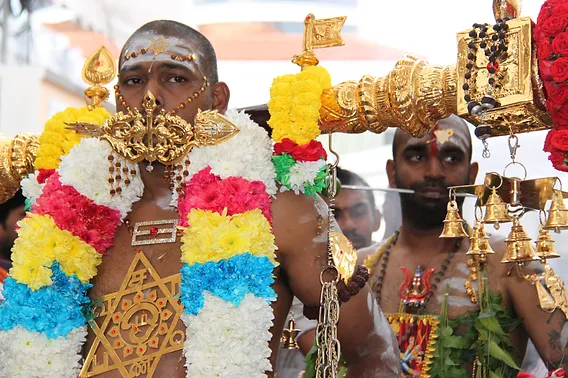
Thaipusam: A Vibrant Hindu Festival of Devotion in Singapore

kwmedley.com – Thaipusam is a significant Hindu festival celebrated primarily by the Tamil community, dedicated to Lord Murugan, the god of war and victory. This unique festival is known for its intense acts of devotion, where devotees offer prayers, carry kavadis (elaborate structures), and perform acts of penance in honor of Lord Murugan. In Singapore, Thaipusam is a grand and colorful celebration that draws thousands of devotees and spectators, making it one of the most spiritually profound and visually captivating festivals on the island.

The Significance of Thaipusam

Thaipusam is celebrated in honor of Lord Murugan, the son of Shiva and Parvati, and is observed on the full moon day in the Tamil month of Thai (January or February). The festival commemorates the occasion when Parvati gave Murugan a powerful lance, known as the “vel,” to defeat the demon Soorapadman, symbolizing the triumph of good over evil.

Thaipusam is a day of gratitude and penance for devotees, many of whom seek blessings, offer thanks, or make vows to Lord Murugan. It is believed that by carrying out acts of devotion during Thaipusam, devotees can seek divine intervention to overcome obstacles, attain spiritual growth, and receive protection from Lord Murugan.

Devotees and the Kavadi Offering

One of the most striking features of Thaipusam is the kavadi, a large, elaborate structure that devotees carry on their shoulders as an offering to Lord Murugan. The kavadi is often adorned with peacock feathers, flowers, and images of deities. Devotees who carry the kavadi typically undergo a period of intense spiritual preparation, including fasting, abstinence, and meditation in the weeks leading up to Thaipusam.

The act of carrying the kavadi is an intense physical and spiritual experience. Some devotees take it to the next level by piercing their bodies with hooks, skewers, or spears, symbolizing their surrender to divine will and their ability to overcome physical pain through devotion. The procession is often accompanied by chanting, music, and the rhythmic beat of drums, creating a powerful and emotional atmosphere.

The Procession: A Spiritual Journey

In Singapore, the Thaipusam celebration features a massive procession that begins at the Sri Srinivasa Perumal Temple in Little India and ends at the Sri Thendayuthapani Temple on Tank Road. This 4.5-kilometer journey is an important part of the ritual, with thousands of devotees walking barefoot, some carrying milk pots as offerings, while others bear the weight of the kavadi.

The devotees are supported by family members and friends who chant sacred hymns and offer encouragement along the way. The procession is a demonstration of faith, resilience, and devotion, as devotees believe that by completing the journey, their prayers will be answered, and their vows fulfilled.

Acts of Devotion and Penance

Thaipusam is not just about physical endurance but also about spiritual cleansing and devotion. Many devotees offer milk, fruits, and flowers as part of their prayers, while others engage in various acts of penance. These acts of penance can range from simple offerings to extreme practices such as body piercings, where metal hooks and skewers are used to pierce the skin, tongue, or cheeks.

The piercing of the body is done in a highly controlled and spiritual environment, with the belief that divine intervention will prevent the devotee from feeling pain or injury. The act symbolizes the devotees’ willingness to surrender themselves completely to Lord Murugan, trusting in his protection and blessings.

Community and Cultural Significance

Thaipusam is not only a religious festival but also a deeply cultural event for Singapore’s Tamil community. It is a time for families and communities to come together in a display of collective faith. The festival has grown to attract large crowds of spectators, both locals and tourists, who are fascinated by the intense acts of devotion and the colorful, vibrant atmosphere of the procession.

For many in Singapore, Thaipusam represents a celebration of the city-state’s cultural diversity and religious harmony. While the festival is rooted in Hindu tradition, it is an event that draws people from all walks of life, fostering an appreciation of the rich cultural fabric that defines Singapore.

Conclusion

Thaipusam is a powerful expression of faith, devotion, and resilience, celebrated with fervor by Singapore’s Tamil Hindu community. The sight of devotees carrying kavadis, performing acts of penance, and walking the long procession route is both awe-inspiring and deeply spiritual. For many, Thaipusam is not just a festival, but a personal journey of sacrifice, strength, and gratitude, as they honor Lord Murugan and seek his blessings for the year ahead. With its vibrant processions, spiritual intensity, and cultural significance, Thaipusam remains one of Singapore’s most remarkable and meaningful festivals.

International Festival of Folk Art: A Celebration of Tradition

kwmedley.com – The International Festival of Folk Art is a vibrant celebration of traditional folk music, dance, and crafts from around the world. This annual event brings together talented artists and performers to showcase the rich cultural heritage of various nations.

A Tapestry of Folk Traditions

The festival offers a diverse program that explores the diverse traditions of folk art. Attendees can immerse themselves in the following:

  • Traditional Music: From lively folk bands to solo instrumentalists, the festival features a wide range of musical styles, including Celtic, Balkan, and Slavic folk music.
  • Folk Dance: Colorful and energetic performances showcase the unique dance traditions of different cultures. From graceful ballet-like movements to energetic folk dances, there’s something for everyone.
  • Folk Crafts: Skilled artisans demonstrate traditional crafts such as pottery, weaving, wood carving, and embroidery. Visitors can purchase unique handcrafted items or even participate in workshops.

A Cultural Exchange

The International Festival of Folk Art is more than just a performance event. It’s a platform for cultural exchange and understanding. By bringing together artists from different countries, the festival fosters intercultural dialogue and promotes tolerance and respect for diversity.

Attendees have the opportunity to learn about different cultures, traditions, and customs. They can also interact with artists and performers, gaining insights into their creative processes and cultural heritage.

A Community Celebration

The festival often takes place in a picturesque outdoor setting, creating a festive atmosphere. Food vendors offer traditional delicacies, and local businesses participate in the festivities. The festival is a great opportunity for families and friends to gather and enjoy a day of music, dance, and cultural experiences.

The Impact of Folk Art Festivals

Folk art festivals play a crucial role in preserving and promoting cultural heritage. By showcasing traditional arts and crafts, these festivals help to keep these traditions alive for future generations. They also contribute to local economies by attracting visitors and stimulating tourism.

Moreover, folk art festivals foster a sense of community and belonging. They bring people together, regardless of their cultural background, and create a shared experience. By celebrating diversity and promoting intercultural understanding, these festivals contribute to a more harmonious and inclusive society.

In conclusion, the International Festival of Folk Art is a vibrant celebration of tradition, culture, and community. It offers a unique opportunity to experience the beauty and diversity of folk art from around the world.

Angkor Festival: A Tapestry of Khmer Culture

kwmedley.com – The Angkor Festival is a vibrant cultural extravaganza held annually in Cambodia, showcasing the rich heritage and artistic traditions of the Khmer Empire. This captivating event draws visitors from around the world to witness a mesmerizing blend of history, culture, and breathtaking performances.   

A Glimpse into the Khmer Empire

The festival is a fitting tribute to the ancient Khmer civilization, renowned for its magnificent temples and intricate artwork. Visitors can immerse themselves in the grandeur of the Angkor Wat temple complex, the heart of the ancient empire, and witness stunning performances that bring the past to life.   

A Kaleidoscope of Cultural Performances

The Angkor Festival offers a diverse range of cultural performances that highlight the artistic brilliance of the Khmer people:   

  • Apsara Dance: The graceful Apsara dancers, adorned in exquisite costumes, perform intricate dance movements that tell stories of ancient myths and legends.
  • Traditional Music and Dance: A variety of traditional Khmer music and dance forms, such as the Pinpeat ensemble and the Lakhon Khol masked dance drama, are showcased at the festival.
  • Shadow Puppetry: A unique form of storytelling, shadow puppetry involves manipulating leather puppets to create dramatic narratives. 
  • Silk Weaving and Handicrafts: Visitors can witness skilled artisans demonstrating traditional silk weaving techniques and creating intricate handicrafts. 

A Culinary Journey

The Angkor Festival is not just about cultural performances; it’s also a culinary delight. Visitors can savor the rich flavors of Khmer cuisine, from fragrant curries to delectable desserts. Local vendors offer a variety of traditional dishes, allowing visitors to experience the authentic taste of Cambodia.   

A Night of Magic and Wonder

The Angkor Wat Night Festival, a special event held during the Angkor Festival, transforms the ancient temple complex into a magical wonderland. The temple is illuminated with stunning light displays, creating a breathtaking spectacle. Traditional dance performances, live music, and cultural exhibitions further enhance the enchanting atmosphere.   

The Angkor Festival is a testament to the enduring legacy of the Khmer Empire. By celebrating the rich cultural heritage of Cambodia, this festival promotes cultural preservation, tourism, and international understanding.

Celebrating Heritage and Culture: Andorra’s Festivals

kwmedley.com – Andorra, a small landlocked country nestled in the Pyrenees mountains between France and Spain, boasts a rich tapestry of traditions and cultural celebrations. Despite its diminutive size, Andorra’s festivals are vibrant expressions of its heritage, showcasing the country’s unique identity and the enduring spirit of its people. From the exuberant parades of La Diada to the solemn processions of Semana Santa, Andorra’s festivals offer a glimpse into the heart and soul of this mountainous nation.

  1. La Diada Nacional d’Andorra: A Celebration of Independence
    One of the most significant events in Andorra’s calendar is La Diada Nacional d’Andorra, the National Day, celebrated on September 8th. This festival commemorates the signing of a charter in 1278 that established the co-principality under the joint sovereignty of the French Count of Foix and the Bishop of Urgell in Spain. The day is marked by parades, traditional music, and dance, with locals donning traditional costumes to honor their history.
  2. Carnaval d’Andorra: A Winter Carnival of Masks and Merriment
    During the winter months, Andorra transforms into a whimsical wonderland with the arrival of the Carnaval d’Andorra. This vibrant festival features masked balls, street parties, and parades, where participants don elaborate costumes to celebrate the end of winter. The carnival is a time of joy and revelry, with each town and village hosting its own festivities.
  3. Semana Santa: Holy Week Observances
    Andorra’s Semana Santa, or Holy Week, is a deeply religious observance that precedes Easter. The week is filled with solemn processions, with locals carrying statues of saints and religious figures through the streets. The events are a poignant reminder of Andorra’s Catholic heritage and the importance of faith in the community.
  4. Festa Major: Town and Village Celebrations
    Throughout the year, Andorra’s towns and villages celebrate their own Festa Major, or main festival. These events are a testament to the country’s strong sense of community and local pride. From fireworks and concerts to traditional sports and craft fairs, each Festa Major is unique, reflecting the character and history of the area.
  5. Andorra’s Winter and Summer Festivals: Embracing the Seasons
    Andorra’s love for the outdoors is evident in its winter and summer festivals. The Grandvalira Total Festival in winter is a celebration of snow sports, music, and mountain culture, while the Andorra Summer Music Festival brings renowned artists to the country’s stages, set against the stunning backdrop of the Pyrenees.

Conclusion

Andorra’s festivals are more than just celebrations; they are a living legacy of the country’s history and traditions. Through these vibrant events, Andorrans honor their past while looking forward to the future, inviting visitors to share in the joy and spirit of their cultural heritage. Whether it’s the pageantry of La Diada, the revelry of Carnaval, or the devotion of Semana Santa, Andorra’s festivals offer a rich tapestry of experiences that celebrate the essence of this remarkable nation.