Indianapolis, Indiana: A City of Sports, Culture, & Innovation

kwmedley.com – Indianapolis, the capital city of Indiana, is a vibrant metropolis that combines a rich sports history, dynamic cultural scene, and a growing economy. Known as the “Circle City” due to its iconic Monument Circle in the heart of downtown, Indianapolis is a city where tradition and modernity coexist. Whether you’re a sports enthusiast looking to experience world-class events, a history buff eager to explore museums, or someone seeking to enjoy the city’s diverse food scene, Indianapolis has something for everyone.

A Hub for Sports and Major Events

Indianapolis is perhaps best known for its passion for sports, with the city hosting some of the most prestigious sporting events in the world. The Indianapolis Motor Speedway, home of the legendary Indy 500, is the focal point of the city’s sports culture. Every May, the Indy 500 draws over 300,000 spectators, making it one of the largest sporting events in the world. The city’s love for racing doesn’t stop there; the Brickyard 400 and the Grand Prix of Indianapolis also take place at the Speedway, further cementing Indianapolis’s status as a racing capital.

In addition to motorsports, Indianapolis is also home to professional sports teams such as the Indianapolis Colts (NFL) and the Indiana Pacers (NBA). Lucas Oil Stadium, where the Colts play, and Bankers Life Fieldhouse, home to the Pacers, are both located in the downtown area, offering sports fans plenty of opportunities to catch live games. Indianapolis is also a frequent host for NCAA events, including the Men’s Basketball Final Four, which further highlights the city’s connection to collegiate sports.

A Rich Cultural and Historical Landscape

While Indianapolis is synonymous with sports, the city also offers a wealth of cultural and historical experiences. The Indianapolis Museum of Art (IMA) is one of the largest and oldest art museums in the country, featuring an extensive collection of European, American, and contemporary art. The museum is set within the beautiful Newfields, a 152-acre campus that includes gardens, walking trails, and a conservation area, making it a popular destination for visitors of all ages.

The Indiana State Museum is another must-see, offering exhibits on the state’s history, natural resources, and cultural heritage. The museum is housed in a striking building along the White River and features interactive exhibits that bring Indiana’s past to life. The city is also home to the National Indianapolis Memorial, which honors the U.S. veterans who have served in wars. This historical landmark is a serene place to reflect on the nation’s military history.

A Thriving Culinary Scene

Indianapolis’s culinary scene has grown significantly in recent years, with a wide range of restaurants serving everything from traditional Midwestern comfort food to international flavors. The city’s downtown area is dotted with trendy eateries, food markets, and craft breweries, providing a diverse selection of dining options for both locals and tourists.

For those seeking a taste of Indiana’s agricultural heritage, Indianapolis boasts a number of farm-to-table restaurants, such as Bluebeard and Milktooth, which focus on locally sourced ingredients. The city is also home to a number of excellent steakhouses, like St. Elmo Steak House, a long-time favorite that has been serving up high-quality steaks and seafood since 1902. For a more casual experience, Indianapolis offers food trucks and smaller establishments that offer everything from gourmet tacos to artisan pizzas.

Indianapolis is also known for its craft beer scene, with several local breweries such as Sun King Brewing Company and Indiana City Brewing Co. offering a variety of brews. The city hosts the annual Indiana Brewers’ Cup, attracting beer enthusiasts to sample local craft beers and discover new favorites.

Family-Friendly Attractions

Indianapolis is a family-friendly destination with a wealth of activities that are both fun and educational for visitors of all ages. The Children’s Museum of Indianapolis is the largest children’s museum in the world, offering interactive exhibits on everything from dinosaurs to outer space. It’s an exciting destination for kids, with hands-on exhibits that foster learning and creativity.

The Indianapolis Zoo, located along the White River, is another popular family destination. It features over 3,800 animals and offers unique experiences such as animal encounters, dolphin shows, and an indoor rainforest exhibit. The nearby White River State Park provides ample green space for picnics, biking, and outdoor recreation, making it an ideal place for families to spend the day.

A City of Innovation and Technology

Indianapolis is not just a city steeped in tradition; it’s also embracing innovation and technology, with a growing focus on entrepreneurship and tech development. The city is home to a number of tech startups and incubators, making it an attractive place for entrepreneurs and innovators. The Purdue Research Park of Indianapolis and the Indianapolis Tech Community are two key areas driving the city’s innovation economy.

Additionally, the city’s universities, including Indiana University-Purdue University Indianapolis (IUPUI), contribute to the growth of the local tech scene by fostering research and offering programs in fields such as engineering, computer science, and biotechnology. Indianapolis is quickly becoming a hub for tech talent and innovation, and the city’s growing infrastructure supports this rise.

A Welcoming Community and Quality of Life

Indianapolis has a reputation for being a welcoming and friendly city, where residents are proud of their community and eager to show visitors around. The city has a high quality of life, with affordable living costs compared to other major U.S. cities, making it an attractive place for both individuals and families. The cost of housing is particularly affordable, which has drawn a growing population to the city in recent years.

Indianapolis also has a strong commitment to sustainability and green spaces. The city is home to a number of parks, trails, and outdoor spaces that are easily accessible to residents. White River State Park, the Monon Trail, and the Central Canal Walk provide opportunities for outdoor activities, whether you’re jogging, biking, or simply taking a stroll.

Conclusion

Indianapolis is a city that offers a little bit of everything: world-class sports, rich cultural experiences, delicious food, and a thriving economy. Whether you’re visiting to catch a Colts game, explore one of the city’s many museums, or enjoy the outdoor activities, Indianapolis welcomes everyone with open arms. With its combination of tradition, innovation, and hospitality, Indianapolis is a city that continues to grow and evolve, making it a must-visit destination for travelers and an exciting place to live for those looking to be part of a vibrant community.

Évora: A Timeless Tapestry of History and Culture

kwmedley.com – Évora, a captivating city nestled in the Alentejo region of Portugal, is a living museum of history and culture. With its well-preserved Roman ruins, medieval architecture, and serene atmosphere, Évora offers a unique blend of old-world charm and modern amenities.

A Glimpse into History

Évora’s history stretches back to Roman times, when it was known as Ebora Liberalitas. The city’s strategic location and rich cultural heritage have made it a significant player throughout the centuries. During the Middle Ages, Évora flourished under Moorish rule, and its architecture still bears the imprints of this era.

Exploring Évora’s Historical Treasures

  • Roman Temple of Évora: This well-preserved Roman temple, dating back to the 1st century AD, is one of the most iconic landmarks in Évora. Its majestic columns and intricate carvings are a testament to the city’s Roman heritage.
  • Évora Cathedral: This Gothic cathedral, built in the 13th century, is a stunning example of religious architecture. Its impressive facade, intricate carvings, and serene interior create a peaceful atmosphere.
  • Chapel of Bones: This macabre chapel, located beneath the Church of São Francisco, is adorned with the bones of over 5,000 monks. Its eerie atmosphere and unique decor make it a fascinating and unforgettable experience.
  • Évora Castle: This medieval castle, dating back to the 12th century, offers panoramic views of the city and surrounding countryside. Its imposing walls and towers are a reminder of the city’s rich history.

The Alentejo Soul

Évora is the epitome of the Alentejo spirit, characterized by its relaxed pace of life, warm hospitality, and delicious cuisine. The city’s streets are lined with traditional houses painted in vibrant colors, creating a picturesque ambiance.

A Gastronomic Delight

Alentejo cuisine is renowned for its hearty dishes and simple, fresh ingredients. Be sure to savor local specialties like açorda de bacalhau (a bread and codfish soup), porco preto (black pork), and migas de espargos (bread crumbs with asparagus). Pair your meal with a glass of Alentejo wine, renowned for its robust flavors and rich character.

The Alentejo Landscape

The surrounding countryside is a breathtaking tapestry of rolling hills, olive groves, and cork oak forests. The vast expanse of the Alentejo plains offers endless opportunities for outdoor activities like hiking, cycling, and birdwatching.

A Cultural Experience

Évora hosts a variety of cultural events throughout the year, including music festivals, art exhibitions, and traditional fairs. These events provide a glimpse into the region’s rich cultural heritage and offer visitors a chance to immerse themselves in local traditions.   

A Peaceful Retreat

Évora offers a peaceful retreat from the hustle and bustle of city life. Its serene atmosphere, coupled with its rich history and cultural heritage, makes it an ideal place to unwind and recharge.

Angkor Festival: A Tapestry of Khmer Culture

kwmedley.com – The Angkor Festival is a vibrant cultural extravaganza held annually in Cambodia, showcasing the rich heritage and artistic traditions of the Khmer Empire. This captivating event draws visitors from around the world to witness a mesmerizing blend of history, culture, and breathtaking performances.   

A Glimpse into the Khmer Empire

The festival is a fitting tribute to the ancient Khmer civilization, renowned for its magnificent temples and intricate artwork. Visitors can immerse themselves in the grandeur of the Angkor Wat temple complex, the heart of the ancient empire, and witness stunning performances that bring the past to life.   

A Kaleidoscope of Cultural Performances

The Angkor Festival offers a diverse range of cultural performances that highlight the artistic brilliance of the Khmer people:   

  • Apsara Dance: The graceful Apsara dancers, adorned in exquisite costumes, perform intricate dance movements that tell stories of ancient myths and legends.
  • Traditional Music and Dance: A variety of traditional Khmer music and dance forms, such as the Pinpeat ensemble and the Lakhon Khol masked dance drama, are showcased at the festival.
  • Shadow Puppetry: A unique form of storytelling, shadow puppetry involves manipulating leather puppets to create dramatic narratives. 
  • Silk Weaving and Handicrafts: Visitors can witness skilled artisans demonstrating traditional silk weaving techniques and creating intricate handicrafts. 

A Culinary Journey

The Angkor Festival is not just about cultural performances; it’s also a culinary delight. Visitors can savor the rich flavors of Khmer cuisine, from fragrant curries to delectable desserts. Local vendors offer a variety of traditional dishes, allowing visitors to experience the authentic taste of Cambodia.   

A Night of Magic and Wonder

The Angkor Wat Night Festival, a special event held during the Angkor Festival, transforms the ancient temple complex into a magical wonderland. The temple is illuminated with stunning light displays, creating a breathtaking spectacle. Traditional dance performances, live music, and cultural exhibitions further enhance the enchanting atmosphere.   

The Angkor Festival is a testament to the enduring legacy of the Khmer Empire. By celebrating the rich cultural heritage of Cambodia, this festival promotes cultural preservation, tourism, and international understanding.

Vanuatu: The Enchanting Archipelago

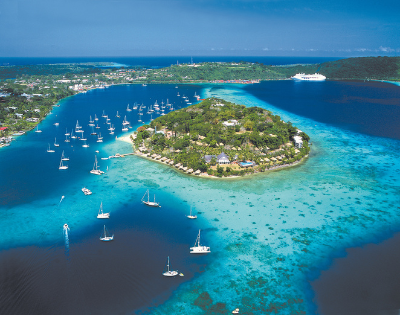
kwmedley.com – Nestled in the South Pacific Ocean, Vanuatu is a captivating paradise known for its stunning landscapes, rich cultural heritage, and vibrant traditions. Comprising around 83 islands, this archipelago offers an enchanting blend of natural beauty and cultural diversity, making it a unique destination for travelers and researchers alike.

Geography and Climate

Vanuatu is located about 1,750 kilometers east of Australia and consists of a chain of islands stretching over 1,300 kilometers. The islands are of volcanic origin, with lush mountains, dense rainforests, and pristine beaches. The climate is tropical, characterized by a warm and humid atmosphere with distinct wet and dry seasons.

History and Culture

Vanuatu’s history is a tapestry woven with tales of exploration and colonization. The islands were first inhabited by Melanesian people, and European explorers arrived in the 17th century. In 1906, the Anglo-French Condominium was established, governing the islands jointly until Vanuatu gained independence in 1980.

The culture of Vanuatu is a vibrant mix of Melanesian traditions and European influences. The Ni-Vanuatu people celebrate their heritage through music, dance, and customary ceremonies. The traditional practice of land diving on Pentecost Island is a particularly famous cultural event.

Economy and Development

The economy of Vanuatu is primarily based on agriculture, tourism, and fishing. The fertile soil supports crops like coconuts, cocoa, and kava. Tourism plays a significant role, with visitors drawn to its natural beauty and cultural experiences. Additionally, Vanuatu is a tax haven, attracting international businesses and investments.

Biodiversity and Environment

Vanuatu is blessed with an incredible array of biodiversity. Its rainforests are home to unique species of birds, insects, and plants. The surrounding coral reefs support a rich marine life, making it a popular destination for diving and snorkeling. However, Vanuatu is also vulnerable to natural disasters, including cyclones and volcanic eruptions, which pose challenges to its environment and development.

Conclusion

Vanuatu is a land of extraordinary beauty and cultural richness. Its islands offer a glimpse into a world where traditions thrive amidst modern influences. As a country that gracefully balances its natural wonders and cultural heritage, Vanuatu remains a beacon of allure in the vast Pacific.

Zen Zone: Exploring the Tranquility of Japan

kwmedley.com – Japan, known as Nihon in Japanese, is a country where ancient traditions seamlessly blend with modern innovation. Amidst its bustling cities and technological advancements lies a serene and tranquil essence often referred to as the “Zen Zone.” This unique atmosphere invites visitors to experience a profound sense of peace and introspection.

The Harmony of Nature and Culture

Japan’s landscapes are a testament to its deep connection with nature. From the iconic cherry blossoms in spring to the vibrant hues of autumn leaves, each season brings a new opportunity to appreciate the natural beauty that surrounds you. Traditional gardens, such as those found in Kyoto, embody the principles of Zen, offering spaces for meditation and contemplation.

The Art of Mindfulness

Zen Buddhism, which has profoundly influenced Japanese culture, emphasizes mindfulness and living in the present moment. This philosophy is evident in practices such as the traditional tea ceremony, where every movement is deliberate and meaningful. Participating in a tea ceremony allows individuals to slow down and savor each moment, fostering a sense of calm and harmony.

Cultural Treasures and Spiritual Retreats

Japan is home to numerous temples and shrines that provide a sanctuary for reflection and spiritual growth. Places like the tranquil Ryoan-ji Temple in Kyoto, with its famous rock garden, invite visitors to embrace simplicity and find peace within themselves. These sacred sites offer a glimpse into Japan’s rich spiritual heritage and provide a space for introspection amid the demands of modern life.

Balancing Tradition and Modernity

In Japan, the past and present coexist harmoniously. While cities like Tokyo buzz with energy and innovation, traditional practices and customs remain deeply rooted in everyday life. This balance is part of what makes Japan’s Zen Zone so unique – the ability to find tranquility even amidst the vibrant pace of urban living.

Conclusion

The Zen Zone in Japan is more than just a concept; it’s a way of life that encourages individuals to seek balance, harmony, and inner peace. Whether you’re wandering through a quiet bamboo grove in Arashiyama, participating in a meditation session at a Zen temple, or simply enjoying the stillness of a traditional garden, Japan offers countless opportunities to connect with your inner self and find serenity in the chaos of everyday life.

Celebrating Heritage and Culture: Andorra’s Festivals

kwmedley.com – Andorra, a small landlocked country nestled in the Pyrenees mountains between France and Spain, boasts a rich tapestry of traditions and cultural celebrations. Despite its diminutive size, Andorra’s festivals are vibrant expressions of its heritage, showcasing the country’s unique identity and the enduring spirit of its people. From the exuberant parades of La Diada to the solemn processions of Semana Santa, Andorra’s festivals offer a glimpse into the heart and soul of this mountainous nation.

  1. La Diada Nacional d’Andorra: A Celebration of Independence
    One of the most significant events in Andorra’s calendar is La Diada Nacional d’Andorra, the National Day, celebrated on September 8th. This festival commemorates the signing of a charter in 1278 that established the co-principality under the joint sovereignty of the French Count of Foix and the Bishop of Urgell in Spain. The day is marked by parades, traditional music, and dance, with locals donning traditional costumes to honor their history.
  2. Carnaval d’Andorra: A Winter Carnival of Masks and Merriment
    During the winter months, Andorra transforms into a whimsical wonderland with the arrival of the Carnaval d’Andorra. This vibrant festival features masked balls, street parties, and parades, where participants don elaborate costumes to celebrate the end of winter. The carnival is a time of joy and revelry, with each town and village hosting its own festivities.
  3. Semana Santa: Holy Week Observances
    Andorra’s Semana Santa, or Holy Week, is a deeply religious observance that precedes Easter. The week is filled with solemn processions, with locals carrying statues of saints and religious figures through the streets. The events are a poignant reminder of Andorra’s Catholic heritage and the importance of faith in the community.
  4. Festa Major: Town and Village Celebrations
    Throughout the year, Andorra’s towns and villages celebrate their own Festa Major, or main festival. These events are a testament to the country’s strong sense of community and local pride. From fireworks and concerts to traditional sports and craft fairs, each Festa Major is unique, reflecting the character and history of the area.
  5. Andorra’s Winter and Summer Festivals: Embracing the Seasons
    Andorra’s love for the outdoors is evident in its winter and summer festivals. The Grandvalira Total Festival in winter is a celebration of snow sports, music, and mountain culture, while the Andorra Summer Music Festival brings renowned artists to the country’s stages, set against the stunning backdrop of the Pyrenees.

Conclusion

Andorra’s festivals are more than just celebrations; they are a living legacy of the country’s history and traditions. Through these vibrant events, Andorrans honor their past while looking forward to the future, inviting visitors to share in the joy and spirit of their cultural heritage. Whether it’s the pageantry of La Diada, the revelry of Carnaval, or the devotion of Semana Santa, Andorra’s festivals offer a rich tapestry of experiences that celebrate the essence of this remarkable nation.