Évora: A Timeless Tapestry of History and Culture

kwmedley.com – Évora, a captivating city nestled in the Alentejo region of Portugal, is a living museum of history and culture. With its well-preserved Roman ruins, medieval architecture, and serene atmosphere, Évora offers a unique blend of old-world charm and modern amenities.

A Glimpse into History

Évora’s history stretches back to Roman times, when it was known as Ebora Liberalitas. The city’s strategic location and rich cultural heritage have made it a significant player throughout the centuries. During the Middle Ages, Évora flourished under Moorish rule, and its architecture still bears the imprints of this era.

Exploring Évora’s Historical Treasures

  • Roman Temple of Évora: This well-preserved Roman temple, dating back to the 1st century AD, is one of the most iconic landmarks in Évora. Its majestic columns and intricate carvings are a testament to the city’s Roman heritage.
  • Évora Cathedral: This Gothic cathedral, built in the 13th century, is a stunning example of religious architecture. Its impressive facade, intricate carvings, and serene interior create a peaceful atmosphere.
  • Chapel of Bones: This macabre chapel, located beneath the Church of São Francisco, is adorned with the bones of over 5,000 monks. Its eerie atmosphere and unique decor make it a fascinating and unforgettable experience.
  • Évora Castle: This medieval castle, dating back to the 12th century, offers panoramic views of the city and surrounding countryside. Its imposing walls and towers are a reminder of the city’s rich history.

The Alentejo Soul

Évora is the epitome of the Alentejo spirit, characterized by its relaxed pace of life, warm hospitality, and delicious cuisine. The city’s streets are lined with traditional houses painted in vibrant colors, creating a picturesque ambiance.

A Gastronomic Delight

Alentejo cuisine is renowned for its hearty dishes and simple, fresh ingredients. Be sure to savor local specialties like açorda de bacalhau (a bread and codfish soup), porco preto (black pork), and migas de espargos (bread crumbs with asparagus). Pair your meal with a glass of Alentejo wine, renowned for its robust flavors and rich character.

The Alentejo Landscape

The surrounding countryside is a breathtaking tapestry of rolling hills, olive groves, and cork oak forests. The vast expanse of the Alentejo plains offers endless opportunities for outdoor activities like hiking, cycling, and birdwatching.

A Cultural Experience

Évora hosts a variety of cultural events throughout the year, including music festivals, art exhibitions, and traditional fairs. These events provide a glimpse into the region’s rich cultural heritage and offer visitors a chance to immerse themselves in local traditions.   

A Peaceful Retreat

Évora offers a peaceful retreat from the hustle and bustle of city life. Its serene atmosphere, coupled with its rich history and cultural heritage, makes it an ideal place to unwind and recharge.
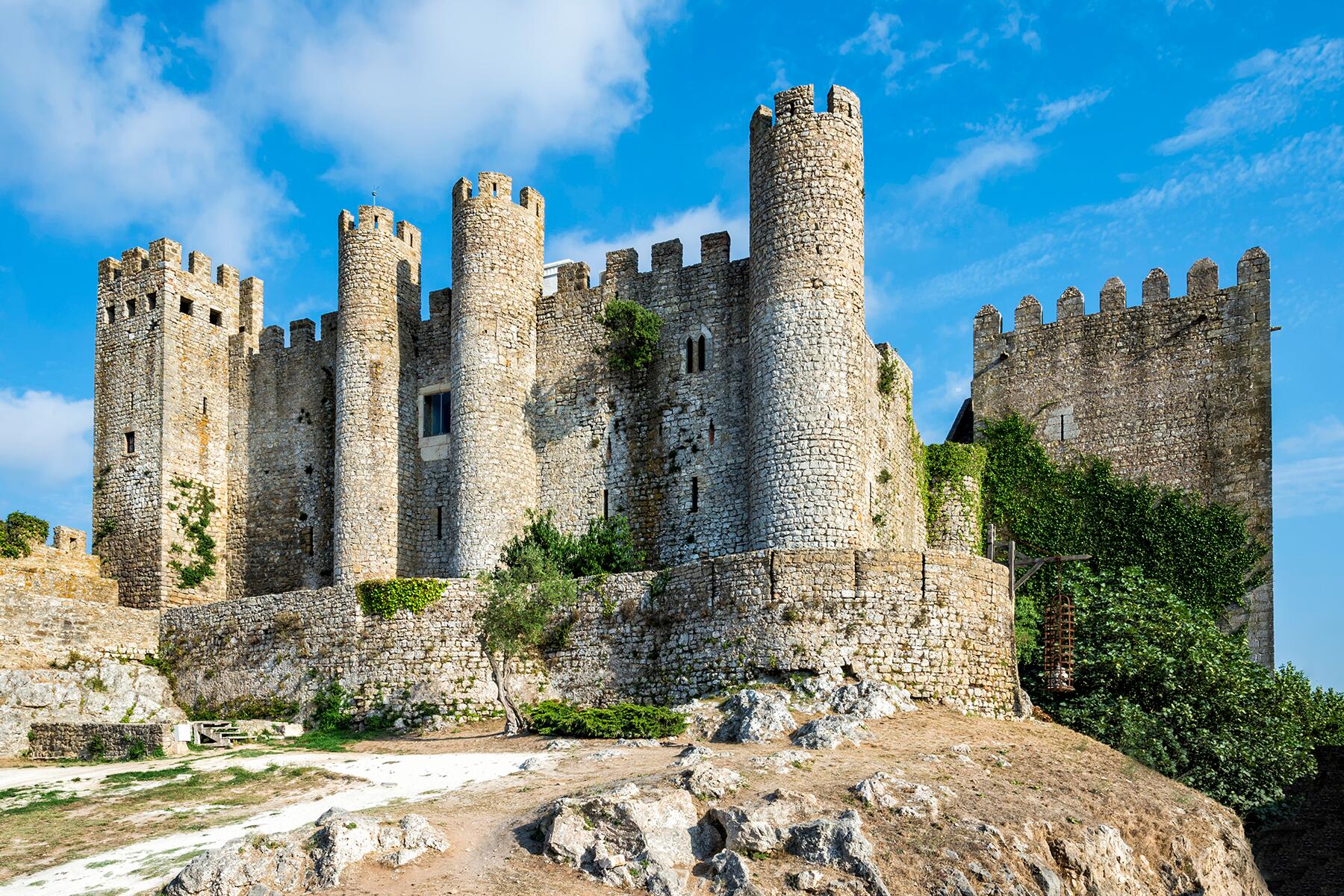
Guardians of History: Portugal’s Medieval Castles

kwmedley.com – Nestled along the western edge of Europe, Portugal is a country rich in history, culture, and architectural marvels. Among its most striking features are the medieval castles that dot the landscape, standing as silent witnesses to the country’s storied past. These castles are not just relics of a bygone era; they are guardians of history, preserving the tales of battles, conquests, and the lives of those who once walked their ramparts.

The Rise of Portugal’s Medieval Castles

The construction of castles in Portugal began in earnest during the Reconquista, a period spanning the 8th to the 15th century when Christian kingdoms fought to reclaim the Iberian Peninsula from Moorish rule. These fortifications were essential in defending territories and asserting control over newly conquered lands. The design and construction of these castles were influenced by a mix of Roman, Visigothic, and Moorish architectural styles, with later additions reflecting the influence of the Knights Templar and the Crusades.

Architectural Marvels

Portugal’s medieval castles are architectural marvels, each with its unique features and stories. The Castelo de São Jorge in Lisbon, perched atop a hill, offers panoramic views of the city and the Tagus River. Its strategic location highlights its importance in defending Lisbon from invaders. The Castelo dos Mouros in Sintra, with its distinctive cone-shaped towers, is a testament to Moorish ingenuity and blends seamlessly with the surrounding landscape.

The Alcáçova de Évora, with its austere beauty, was once a royal residence and a symbol of the power of the Portuguese monarchy. The Castelo de Guimarães, known as the “birthplace of the Portuguese nationality,” is steeped in legend and history, with its walls said to have witnessed the birth of Portugal’s first king, Afonso Henriques.

Castles as Cultural Heritage

Today, Portugal’s medieval castles are more than just historical sites; they are cultural heritage sites that attract visitors from around the world. They offer a glimpse into the life of medieval Portugal, with many castles housing museums that display artifacts and provide insights into the daily lives of their inhabitants.

The castles also play host to a variety of cultural events, from historical reenactments to music festivals, bringing these ancient structures to life and making them accessible to a modern audience.

Preservation and Restoration

The preservation of Portugal’s medieval castles is a testament to the country’s commitment to safeguarding its historical legacy. Many of these castles have undergone extensive restoration work to ensure they remain standing for future generations. These efforts are crucial, as they not only preserve the physical structures but also the intangible cultural heritage they represent.

Conclusion

Portugal’s medieval castles are more than just stones and mortar; they are guardians of history, keeping alive the stories of a nation’s past. They stand as a reminder of the struggles, triumphs, and the indomitable spirit of the Portuguese people. As we continue to explore and learn from these ancient fortresses, we are reminded of the importance of preserving our heritage for future generations to appreciate and cherish.