Easter Island: A UNESCO World Heritage Site

kwmedley.com – Easter Island, known locally as Rapa Nui, is a remote and mysterious island located in the southeastern Pacific Ocean. It is a territory of Chile and is renowned for its monumental stone statues, known as moai, which have captivated the world for centuries. In 1995, UNESCO designated Easter Island as a World Heritage Site, recognizing its unique cultural and historical significance.

Historical Background

Easter Island was first settled by Polynesian people around the 4th century AD. The island’s isolation and unique environment led to the development of a distinct culture, characterized by the creation of the iconic moai statues. These statues, carved from volcanic rock, are believed to represent important figures such as ancestors, chiefs, or other significant individuals in Rapa Nui society.

The Moai Statues

The moai statues are the most recognizable feature of Easter Island. These massive stone figures, averaging 13 feet (4 meters) tall and weighing around 14 tons, were carved from the volcanic rock found in the Rano Raraku quarry. The exact purpose of these statues remains a mystery, but most scholars believe they were created to honor important individuals or to serve as guardians of the island.

Environmental and Cultural Challenges

The Rapa Nui people faced significant environmental challenges, including deforestation and soil erosion, which may have contributed to the decline of their civilization. By the time Europeans arrived in 1722, the island was largely barren, and its population had significantly decreased. Today, conservation efforts are crucial to preserve the island’s unique cultural heritage and natural environment.

UNESCO World Heritage Site

In 1995, Easter Island was inscribed as a UNESCO World Heritage Site, encompassing the entire island and its surrounding waters. The designation aims to protect the island’s archaeological sites, including the moai statues, and to promote sustainable tourism practices that respect the island’s cultural and environmental integrity.

Tourism and Conservation

Tourism plays a significant role in the economy of Easter Island. Visitors are drawn to the island’s mysterious statues and its unique cultural history. However, the influx of tourists also poses challenges for conservation. Efforts are being made to balance tourism with the preservation of the island’s heritage, including the restoration of the moai statues and the protection of archaeological sites.

Conclusion

Easter Island remains one of the most enigmatic and fascinating places on Earth. Its rich history, unique culture, and the enduring mystery of the moai statues continue to attract scholars, tourists, and adventurers from around the world. As a UNESCO World Heritage Site, Easter Island stands as a testament to the ingenuity and resilience of the Rapa Nui people, and a reminder of the importance of preserving our shared cultural heritage.
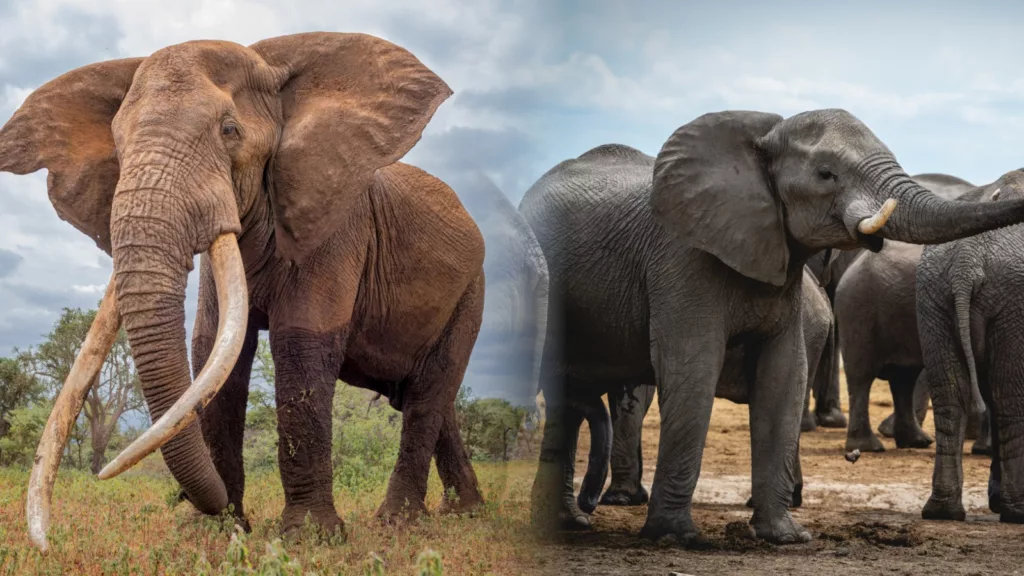
The Elephant’s World: The Gentle Giant

kwmedley.com – Elephants, often referred to as gentle giants, are among the most majestic and intelligent creatures on Earth. These magnificent animals have roamed the African savannas and Asian forests for millions of years, playing a crucial role in their ecosystems. In this article, we will explore the fascinating world of elephants, delving into their biology, behavior, and the challenges they face in the modern world.

The Biology of Elephants

Elephants are the largest land animals on the planet, with African elephants being the largest species. They can weigh up to 6,000 kilograms and stand over 3 meters tall at the shoulder. Their skin is thick and wrinkled, providing them with extra space for muscles to move their massive limbs. The most distinctive feature of elephants is their trunk, which is an extension of their nose and upper lip. This versatile organ is used for breathing, smelling, touching, grasping, and making sounds.

Social Structure and Behavior

Elephants are highly social animals, living in tight-knit matriarchal family groups led by the oldest and often largest female, known as the matriarch. These groups can consist of up to 20 individuals and are bound by strong familial bonds. Elephants communicate using a complex system of vocalizations, including rumbles that can travel over long distances. They also use body language and the touching of trunks and bodies to maintain social bonds.

Intelligence and Memory

Elephants are renowned for their intelligence, with a brain size that rivals that of humans. They exhibit self-awareness, problem-solving skills, and the ability to use tools. Their memory is legendary, and they are known to remember individuals and events for many years. This cognitive ability is crucial for their survival, allowing them to navigate their environment, find food and water, and avoid predators.

The Challenges Facing Elephants

Despite their size and strength, elephants face numerous threats in the wild. Habitat loss due to human encroachment and agricultural expansion is a significant issue, leading to conflicts between humans and elephants. Poaching for ivory and other body parts remains a persistent problem, despite international bans on ivory trade. Climate change is also impacting elephant populations, altering their habitats and food sources.

Conservation Efforts

Conservationists and governments are working to protect elephants through anti-poaching patrols, habitat preservation, and community-based conservation programs. These efforts aim to mitigate human-elephant conflicts, ensure the survival of these magnificent creatures, and preserve the vital ecological roles they play in their habitats.

Conclusion

Elephants are more than just symbols of strength and wisdom; they are keystone species that play a critical role in maintaining the balance of their ecosystems. As we continue to learn about these gentle giants, it is our responsibility to protect them and their habitats for future generations. The world of elephants is a testament to the wonders of nature and a reminder of the importance of conservation in a rapidly changing world.

The Stupidly Competitive World of Esports

kwmedley.com – In the digital age, the world of esports has exploded into a realm of intense competition, drawing millions of viewers and participants worldwide. This rapidly growing industry, where video gaming meets professional sports, is not just about casual play; it’s a battleground where every move counts, and the stakes are incredibly high. The term “stupidly competitive” might seem hyperbolic, but it aptly describes the cutthroat nature of esports, where players and teams are constantly vying for the top spot, often pushing the boundaries of human skill and endurance.

The Rise of Esports: A Global Phenomenon

Esports, short for electronic sports, has seen a meteoric rise in popularity over the past decade. What was once considered a niche hobby has now become a billion-dollar industry, with tournaments offering prize pools that rival those of traditional sports. The global audience for esports is massive, with millions tuning in to watch their favorite teams and players compete in high-stakes matches.

The Competitive Spirit: Training and Strategy

At the heart of esports is the competitive spirit. Players dedicate countless hours to training, studying strategies, and mastering the intricacies of their chosen games. The level of commitment is akin to that of professional athletes, with many players following strict regimens to maintain peak performance. Teams often have coaches and analysts who dissect gameplay, identify weaknesses, and develop strategies to outmaneuver opponents.

The Pressure to Perform: Mental and Physical Toll

The pressure to perform in esports is immense. Players are under constant scrutiny, with their every move analyzed by fans and critics alike. This can take a toll on mental health, leading to issues such as burnout and anxiety. Additionally, the physical demands of esports should not be underestimated. Long hours of practice can lead to repetitive strain injuries, requiring players to maintain a level of physical fitness to sustain their careers.

The Cutthroat Nature of Competition: Winning at All Costs

In the world of esports, winning is everything. Teams and players will go to great lengths to secure a victory, often pushing the boundaries of fair play. While most competitors adhere to the rules, there have been instances of cheating and unsportsmanlike conduct, highlighting the cutthroat nature of the competition. The drive to win can sometimes overshadow the spirit of sportsmanship, leading to heated rivalries and intense competition.

The Future of Esports: Balancing Competition and Community

As esports continues to grow, there is a growing conversation about balancing the competitive nature of the industry with the need to foster a healthy community. Organizations are beginning to prioritize the well-being of players, implementing measures to prevent burnout and promote mental health. Additionally, there is a push to celebrate the community aspect of gaming, emphasizing the importance of inclusivity and sportsmanship.

In conclusion, the world of esports is undeniably competitive, with players and teams constantly striving to outdo one another. While this competition drives innovation and excellence, it’s crucial to remember that at the heart of esports is a love for gaming and community. As the industry evolves, it will be interesting to see how it addresses the challenges of maintaining a healthy balance between competition and community.

Gold: A Visual Guide to the World’s Greatest Treasures

kwmedley.com – Gold, a symbol of wealth and power, has fascinated humanity for millennia. Its unique luster, rarity, and malleability have made it a coveted material for crafting some of the world’s most exquisite treasures. From ancient civilizations to modern times, gold has been the metal of choice for creating objects of unparalleled beauty and significance. This visual guide takes you on a journey through some of the most awe-inspiring gold treasures from around the globe, showcasing the artistry and craftsmanship that have turned this precious metal into priceless masterpieces.

The Allure of Gold

Gold’s allure lies not just in its physical properties but also in its historical and cultural significance. It has been associated with the divine, used as currency, and is a key component in various technological applications. The quest for gold has driven exploration, inspired art, and shaped economies. Its enduring appeal is evident in the treasures that have been passed down through generations, each telling a story of the time and place from which it originated.

Ancient Wonders

Egyptian Gold

Ancient Egyptians were among the first to appreciate gold’s beauty and permanence. They believed it to be the flesh of the gods and used it extensively in their jewelry, artifacts, and even in the decoration of tombs. The death mask of Tutankhamun, with its intricate gold work, is perhaps the most famous example of Egyptian gold craftsmanship.

The Gold of the Incas

The Inca civilization in South America was renowned for its gold work. The Spanish conquistadors were astounded by the golden treasures they found, including the golden chain that was said to be so long it could encircle an entire plaza. The Inca Sun God, Inti, was often depicted in gold, symbolizing the wealth and power of the empire.

Medieval Marvels

The Middle Ages saw the rise of goldsmithing as an art form. European craftsmen created intricate reliquaries, chalices, and crowns that were not only symbols of religious devotion but also of the wealth and status of the patrons who commissioned them.

The Crown Jewels of the United Kingdom

The British Crown Jewels are among the most famous collections of gold treasures in the world. The Imperial State Crown, set with over 2,800 diamonds, including the Cullinan II and the Black Prince’s Ruby, is a testament to the skill of medieval goldsmiths.

Renaissance Resplendence

The Renaissance period brought about a new level of sophistication in gold craftsmanship. Artists and goldsmiths worked together to create masterpieces that combined beauty with technical innovation.

Cellini’s Salt Cellar

Benvenuto Cellini’s Salt Cellar, now housed in the Kunsthistorisches Museum in Vienna, is a prime example of Renaissance goldsmithing. It is a sculpture made of gold and enamel, depicting Neptune and Ceres, and is considered one of the greatest achievements in gold work.

Modern Masterpieces

In the modern era, gold continues to be a medium for artistic expression. Contemporary jewelers and artists push the boundaries of what is possible with gold, creating pieces that are both wearable and works of art.

The Gold of Fabergé

The House of Fabergé, under the direction of Peter Carl Fabergé, created some of the most exquisite gold objects in history. The Fabergé eggs, commissioned by Russian royalty, are the epitome of luxury and craftsmanship, combining gold with precious stones and enamel to create objects that are as much works of art as they are treasures.

Conclusion

Gold’s enduring appeal is evident in the treasures that have been created throughout history. From the ancient civilizations to the modern world, gold has been the metal of choice for those wishing to express wealth, power, and artistic vision. This visual guide has only scratched the surface of the world’s greatest gold treasures, each of which tells a story of the human desire to create, to commemorate, and to capture the beauty of the world in a material that, like the treasures themselves, is timeless.