Kuroneko (1968) – A Tragic Tale of Revenge, Love, and Horror

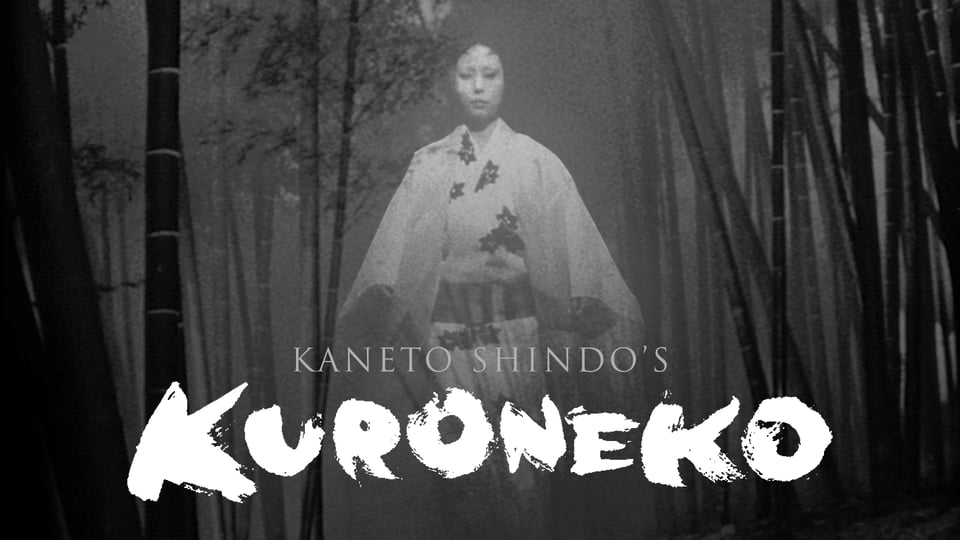
kwmedley.com – Kuroneko (1968), directed by Kaneto Shindo, is a haunting and visually stunning film that seamlessly blends supernatural horror with themes of love, betrayal, and vengeance. Often regarded as one of the finest examples of Japanese horror, Kuroneko uses elements of folklore to tell a story that is as tragic as it is terrifying. With its beautiful cinematography, haunting atmosphere, and exploration of the darker aspects of human emotions, Kuroneko remains a timeless classic that continues to influence filmmakers in the horror genre.

Set in medieval Japan during a time of civil unrest, Kuroneko weaves a tale of two women who are brutally killed by a group of samurai, only to return as vengeful spirits. Their desire for revenge is transformed into a powerful and terrifying force, and the film explores the consequences of their wrath and the price of love and betrayal.

Plot Overview: The Revenge of the Ghostly Women

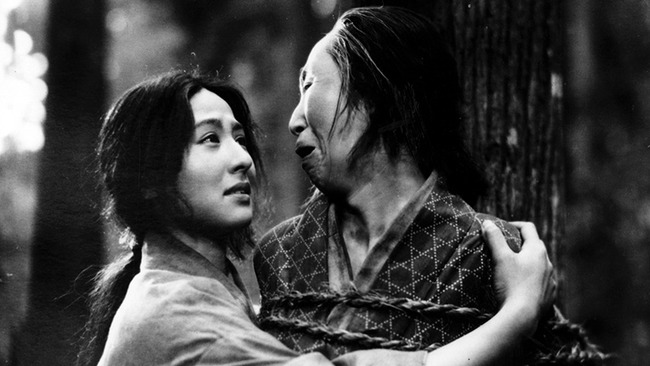
Kuroneko tells the story of a young woman named Yone and her mother-in-law, Shige, who live in a rural house on the outskirts of a war-torn village. The two women are raped and killed by a group of samurai who come through their home during the war. In the afterlife, their spirits return as vengeful ghosts, taking the form of powerful, mysterious beings who lure samurai to their deaths, killing them and drinking their blood. The women’s souls are consumed by their desire for revenge, and they continue to terrorize the samurai who cross their path.

The plot takes a significant turn when the son of Shige and Yone, Hachi, returns from the war, unaware that his mother and wife are now vengeful spirits. Upon returning home, Hachi encounters the two women, who appear to him as beautiful women in white kimonos, urging him to forget the past and live with them. However, as he gradually begins to suspect something is amiss, the tragic truth of their deaths and their transformation into vengeful ghosts is revealed.

The conflict intensifies when Hachi learns that the women are not the loving figures they once were but spirits consumed by rage and desire for vengeance. He is torn between his duty to the samurai code and his love for the two women who have returned in this supernatural form. The story builds toward a tragic and heartbreaking conclusion that highlights the price of revenge and the destructive nature of unresolved grief and anger.

Themes: Revenge, Love, and the Cycle of Violence

At its core, Kuroneko is a story about the destructive power of revenge and its ability to consume both the avenger and the victim. The two women’s deaths, though brutal, are followed by a powerful desire for vengeance that drives their spirits to kill without remorse. Their thirst for revenge is so strong that it transforms them into supernatural beings, no longer bound by human limitations.

The film explores the idea that vengeance is a cycle—one that is never truly satisfied and only leads to more suffering. The women’s desire to avenge their deaths leads them to kill countless samurai, but even after their revenge is fulfilled, they remain trapped in the cycle of violence, unable to find peace. The film questions whether vengeance can ever truly bring closure or if it simply perpetuates suffering and grief.

Love, too, plays a significant role in the film. The connection between Hachi and the two women—his mother and wife—forms the emotional backbone of the story. His deep love for them complicates his actions and decisions as he grapples with the truth of their supernatural transformation. The love that once united them is now poisoned by the vengeful spirits that have replaced the women he knew. His torn emotions create a sense of tragic inevitability, as the once-beautiful bond between them deteriorates into something horrific.

The theme of betrayal also runs through the film, as the samurai who kill the women betray not only the women but also the values they are meant to uphold. The samurai, who are supposed to be protectors and warriors of honor, are revealed to be rapists and murderers, committing unspeakable acts that set the tragic events of the film in motion. This betrayal of the women’s trust is central to the film’s exploration of the consequences of violence and dishonor.

Cinematic Style: Atmospheric and Haunting Imagery

One of the most striking features of Kuroneko is its visually arresting style. The film is shot in beautiful black-and-white, with stark contrasts and eerie lighting that create a sense of unease and mystery. The film’s cinematography, crafted by the legendary Kazuo Miyagawa, is vital in establishing its haunting atmosphere. The mist-filled landscapes, shadowy interiors, and sweeping shots of the moonlit countryside evoke a sense of isolation and otherworldliness that enhances the film’s supernatural themes.

The use of shadows and light is particularly effective in creating an unsettling tone. The two women, after their transformation into spirits, are often depicted as ghostly figures bathed in soft light, which contrasts with the darkness of the world around them. This play between light and shadow highlights the duality of their existence—both beautiful and deadly, innocent and vengeful.

The film’s settings also contribute significantly to its eerie atmosphere. The house, surrounded by a misty and desolate landscape, becomes a place of both refuge and danger. The characters are caught between two worlds—the living and the dead—reinforced by the haunting imagery of the marshes and the abandoned village. These locations, with their decaying structures and desolate surroundings, evoke feelings of isolation, grief, and despair.

The ethereal presence of the ghostly women is accentuated by their traditional attire and makeup. The contrast between their serene, ghost-like appearances and the violence they commit enhances the film’s chilling effect. The supernatural elements are integrated into the story in a way that feels organic, making the spirits of the women both terrifying and tragic at the same time.

The Symbolism of the Black Cat: A Link Between the Spiritual and Physical Worlds

The title Kuroneko translates to “Black Cat,” and while the literal presence of a black cat in the story is subtle, the film uses the symbolism of the cat to represent the connection between the human and supernatural realms. In Japanese folklore, cats are often seen as mystical creatures with the ability to bridge the world of the living and the dead. The black cat in the film can be seen as a symbol of the transformation of Yone and Shige from human women to vengeful spirits, as well as a representation of the unearthly nature of their revenge.

The cat also embodies the duality of their existence—beautiful yet deadly, nurturing yet destructive. Just as cats are often seen as both loving and enigmatic animals, the women in the film occupy a similar space, straddling the line between the living and the dead, between love and vengeance. The presence of the cat serves as a reminder of the eerie connection between the earthly and spiritual worlds, further enhancing the supernatural elements of the story.

Legacy and Influence: A Masterpiece of Japanese Horror

Kuroneko is considered one of the most influential horror films in Japanese cinema. Its blend of supernatural horror with social commentary on love, betrayal, and revenge set it apart from other films of the genre. The film’s ability to combine beauty and terror, tenderness and horror, has made it a classic that continues to inspire filmmakers today.

The influence of Kuroneko can be seen in many subsequent horror films, both within Japan and internationally. Its visual style and thematic complexity paved the way for future films that explore the intersection of the supernatural and the human condition. The film’s exploration of love and revenge as destructive forces is a theme that resonates in many modern horror and psychological thrillers.

Critically, Kuroneko has been praised for its emotional depth, its haunting atmosphere, and its ability to evoke both fear and empathy for the characters. It is a film that transcends the boundaries of traditional horror, offering a meditation on the cost of vengeance and the power of love. For fans of Japanese cinema, Kuroneko remains an essential work of art.

Conclusion: A Tragic and Haunting Masterpiece

Kuroneko (1968) is a haunting and beautifully crafted tale that explores the destructive power of vengeance, the complexity of love, and the tragic consequences of betrayal. Through its stunning visuals, atmospheric tension, and emotional depth, the film remains one of the most significant entries in the history of Japanese horror. Its exploration of supernatural themes and the human capacity for cruelty and redemption continues to resonate with audiences today, cementing Kuroneko as a timeless classic that stands as a testament to the power of storytelling and cinematic art.
Sansho the Bailiff (1954): A Powerful Tale of Suffering

kwmedley.com – Sansho the Bailiff (1954), directed by Kenji Mizoguchi, is one of the most poignant and powerful films in Japanese cinema. Set in the 11th century, the film tells the tragic tale of a family torn apart by the cruelty of an oppressive feudal system. Based on a short story by the renowned Japanese writer Mori Ogai, Sansho the Bailiff is a haunting exploration of human suffering, resilience, and the enduring power of compassion and justice.

Mizoguchi, known for his delicate portrayals of women’s struggles and the complexity of human emotion, crafts a narrative that is as heartbreaking as it is beautiful. Through stunning cinematography, a deeply humanistic narrative, and powerful performances, Sansho the Bailiff stands as a testament to Mizoguchi’s ability to depict the darkest aspects of human nature while also highlighting the potential for redemption and grace. The film is often regarded as one of the finest works of world cinema and continues to resonate with audiences for its timeless themes.

Plot Overview: The Tragic Journey of a Family

Sansho the Bailiff takes place during Japan’s Heian period (794-1185) and follows the journey of a noble family—Zushio, his sister Anju, and their mother, Tamaki—who are separated when they are sold into slavery after their father, a provincial governor, is exiled for his opposition to corrupt officials.

The Fall of the Family

The story begins with the peaceful life of the family at their estate, where the father, a governor, strives to uphold justice and benevolence. However, when the father is exiled for his idealistic actions, the family’s fortunes are quickly reversed. Tamaki, the mother, is left to fend for her children, but they are eventually captured and sold into slavery.

The family’s separation marks the beginning of their suffering. Zushio and Anju are sold to the infamous Sansho, a cruel and heartless bailiff who runs a brutal plantation. Tamaki, desperate to find her children, embarks on a long and dangerous journey, but is unable to reunite with them. Over time, Zushio and Anju are subjected to intense hardship, cruelty, and exploitation under Sansho’s rule.

Zushio’s Transformation and the Pursuit of Justice

As the years pass, Zushio, who is initially a young and innocent boy, grows up under Sansho’s oppressive system. He is forced to endure brutal treatment and is gradually shaped by the cruelty he experiences, losing much of his former idealism. However, as an adult, Zushio begins to seek redemption for his family’s suffering. He comes into contact with a Buddhist priest who reminds him of his father’s ideals, and this rekindles his desire for justice and compassion.

In a final, heroic act, Zushio seeks to confront Sansho and end the reign of terror that has shaped his life and the lives of countless others. The story’s tragic denouement underscores the complexity of human nature, highlighting the difficulty of escaping the cycle of cruelty and the profound emotional cost of seeking redemption.

Themes of Suffering, Justice, and Redemption

At its core, Sansho the Bailiff is a film about suffering and the human capacity for resilience in the face of unimaginable hardship. The characters endure extraordinary pain and loss, but their journey is also one of profound emotional growth. Mizoguchi’s careful exploration of their suffering emphasizes the brutality of the feudal system and the way in which power and corruption dehumanize both the oppressed and the oppressors.

The Corrupting Nature of Power

A key theme in Sansho the Bailiff is the corrupting nature of power. Sansho, the titular bailiff, embodies the worst aspects of the feudal system. His cruelty knows no bounds, as he forces those under his control to live in squalor, stripping them of their humanity. His oppressive rule creates a brutal world where compassion is replaced by fear, and where survival often means sacrificing one’s moral integrity. In this sense, Sansho represents the perils of unchecked authority and the devastating impact of injustice on the human soul.

The film also delves into the relationship between the ruling class and the subjugated. While Zushio and his sister Anju suffer under Sansho’s cruelty, their plight represents the larger social issues of the time—how the powerless were at the mercy of those in power, and how a system based on inequality perpetuates suffering.

Resilience and the Pursuit of Justice

Despite the overwhelming brutality Zushio and his family face, Sansho the Bailiff is also a story of resilience. Zushio’s journey from innocence to despair and ultimately to the pursuit of justice is one of the film’s central arcs. His journey reflects the human struggle to maintain one’s moral compass in a world that seems determined to crush hope and humanity. The film powerfully portrays how the enduring values of compassion and justice can survive even in the darkest of times.

Zushio’s final act of confronting Sansho represents the desire for justice and the human need to correct wrongs, even when the chances of success are slim. The film suggests that, while suffering may seem insurmountable, the pursuit of justice is both a moral imperative and a path to redemption.

Family and Sacrifice

The theme of family is central to Sansho the Bailiff, with the separation of Zushio and his sister Anju from their mother representing the emotional core of the film. The sacrifices made by Tamaki, the mother, as she searches for her children, add another layer of emotional depth to the story. Her enduring love for her children, despite the distance and hardship, symbolizes the unbreakable bond that ties families together, even when separated by physical or emotional barriers.

Zushio’s devotion to his family and his desire to avenge their suffering further exemplify the idea of sacrifice. The film highlights the emotional and personal costs of seeking justice and redemption, suggesting that the path to righteousness is not only difficult but also fraught with personal loss.

Cinematic Style: Mizoguchi’s Vision

Kenji Mizoguchi’s direction is one of the key reasons Sansho the Bailiff remains a cinematic masterpiece. His signature style, marked by long, unbroken shots, elegant compositions, and a keen eye for detail, lends the film a sense of fluidity and realism. Mizoguchi’s ability to balance the intimate emotional moments with grand, sweeping vistas allows him to tell a story that is both deeply personal and profoundly universal.

The film’s cinematography, by Kazuo Miyagawa, is stunning and often symbolic. The landscapes, often bleak and desolate, reflect the emotional desolation of the characters. The use of framing also serves to emphasize the isolation of the protagonists, particularly Zushio and his sister, as they navigate the cruel world they inhabit. The stark contrast between the peaceful beauty of nature and the brutality of the feudal system heightens the emotional impact of the narrative.

Additionally, the music by Fumio Hayasaka, which underscores the film’s tragic and melancholic atmosphere, enhances the emotional resonance of each scene. The music mirrors the characters’ inner turmoil and the emotional weight of their experiences, further deepening the viewer’s engagement with the story.

Legacy and Influence: A Landmark in Japanese Cinema

Sansho the Bailiff is widely regarded as one of the greatest films in Japanese cinema and a testament to Mizoguchi’s skill as a director. The film’s exploration of human suffering, moral dilemmas, and the quest for justice continues to resonate with audiences today. Mizoguchi’s delicate portrayal of these universal themes, combined with his cinematic artistry, makes Sansho the Bailiff a timeless classic that has influenced filmmakers around the world.

The film has inspired numerous discussions on the nature of power, the struggle for justice, and the human condition, and its emotional impact continues to be felt across generations. Its legacy as one of the greatest achievements of Japanese cinema is secure, and it remains a touchstone for those interested in exploring the complexities of human nature and the quest for redemption.

Conclusion: A Story of Tragedy and Redemption

Sansho the Bailiff (1954) is a tragic yet deeply human story that explores the devastating effects of cruelty, the endurance of family love, and the unyielding quest for justice. Kenji Mizoguchi’s masterful direction, combined with powerful performances and stunning cinematography, creates a film that is as beautiful as it is heartbreaking. The film’s exploration of human suffering and resilience, set against the backdrop of a harsh and unforgiving feudal society, leaves a lasting impression on viewers, making Sansho the Bailiff a timeless cinematic classic that continues to resonate with audiences around the world.

13 Assassins (2010): A Gripping Samurai Epic of Honor

kwmedley.com – 13 Assassins (2010), directed by Takashi Miike, is a thrilling and visually striking samurai film that combines elements of classic Japanese cinema with modern action filmmaking. Set during the late Edo period of Japan, the film tells the story of a group of samurai who band together to assassinate a brutal and corrupt lord. Based on the 1963 film of the same name, 13 Assassins is a reimagining of the original story, and Miike’s version has been praised for its balance of emotional depth, complex characters, and intense action sequences.

Miike, known for his diverse and often provocative filmography, brings a unique style to 13 Assassins, imbuing the film with his trademark energy and intensity while remaining faithful to the spirit of samurai cinema. The film is a meditation on honor, loyalty, and sacrifice, set against a backdrop of political intrigue and social unrest. 13 Assassins stands as both a homage to the samurai genre and a powerful standalone epic, captivating audiences with its brutal action and compelling narrative.

Plot Overview

The plot of 13 Assassins revolves around a group of samurai who are tasked with assassinating Lord Naritsugu Matsudaira (played by Goro Inagaki), a sadistic and tyrannical nobleman whose reign of terror has caused suffering and fear throughout Japan. Naritsugu is a man of unrelenting cruelty, and his actions threaten the stability of the nation. The film begins with the shocking news of Naritsugu’s rise to power and his imminent appointment to a high-ranking political position, which would grant him even more authority and control.

A group of samurai, led by the honorable and stoic Shinzaemon Shimada (played by Koji Yakusho), is assembled to confront the impending threat. Shinzaemon is a former samurai who has lived in relative obscurity, but he is called upon by his superior, the shogunate, to take action against Naritsugu. To carry out the assassination, Shinzaemon recruits a team of 12 other samurai, all of whom share a sense of justice and duty, despite their personal histories and motivations.

The plot unfolds with the preparation for the assassination, as Shinzaemon and his men carefully plan their strategy. However, they know that the task ahead of them will be no easy feat. Naritsugu is surrounded by a powerful and loyal army of soldiers, and the assassins will have to face both overwhelming odds and the harsh realities of battle.

As the story progresses, the tension builds toward the final confrontation. In a stunning and brutal action sequence that lasts for much of the film’s final act, the 13 assassins face off against Naritsugu’s army in a battle to the death. The samurai must rely on their skills, ingenuity, and loyalty to overcome their enemies and complete their mission, even as the cost of their actions mounts.

Themes: Honor, Loyalty, and Sacrifice

The Code of Honor

At the heart of 13 Assassins is the samurai code of honor, known as bushido. This code emphasizes loyalty, duty, and self-discipline, values that are central to the motivations of the characters. The assassins, despite their differences, are united by their shared sense of honor and their commitment to carrying out a mission that will restore justice and protect the people from a tyrannical ruler.

Throughout the film, the characters’ actions are driven by their adherence to bushido, which often requires personal sacrifice and the willingness to face death for a noble cause. The film highlights the internal conflict faced by the samurai as they navigate the complexities of their duty. They are not driven by personal gain or revenge, but rather by a deep sense of responsibility to the greater good and the preservation of order in a troubled society.

In particular, the character of Shinzaemon embodies the ideals of bushido. He is a man of principle, willing to risk his life and the lives of his men in order to fulfill his duty. His actions are a testament to the unflinching loyalty and selflessness that are the hallmarks of the samurai code.

Loyalty and Brotherhood

Loyalty is another central theme in 13 Assassins, and the bond between the 13 samurai is one of the most powerful elements of the film. The samurai are not simply a group of hired mercenaries, but a brotherhood bound together by a common cause. Each assassin has his own personal reasons for joining the mission, but they are united by their shared commitment to their duty and their respect for each other.

As the film progresses, the characters are forced to confront the realities of their mission, including the inevitability of death. Despite the dangers, they remain resolute in their loyalty to their comrades and to their mission. The sacrifices made by the samurai serve to highlight the strength of their brotherhood and the importance of solidarity in the face of overwhelming adversity.

This theme of loyalty is further explored through the relationship between Shinzaemon and his nephew, Isaburo (played by Hiroki Matsukata). Isaburo is initially hesitant to join the mission, but his loyalty to his uncle and his desire to honor the samurai code ultimately drive him to take part in the mission. The personal connections between the characters add an emotional depth to the film, making the stakes of the battle all the more poignant.

Sacrifice and Death

The theme of sacrifice is perhaps the most prominent in 13 Assassins, as the characters are fully aware that their mission may cost them their lives. The samurai are prepared to lay down their lives for the greater good, and their willingness to make this ultimate sacrifice is what elevates the film from a simple action story to a powerful meditation on duty and selflessness.

The final battle sequence is a harrowing depiction of the consequences of the assassins’ mission. As the samurai face overwhelming odds and fight against a well-armed army, the film does not shy away from the brutal realities of war and combat. The characters are forced to confront their mortality, and the film powerfully captures the moment of their sacrifice.

This theme of death and sacrifice is also explored through the character of Naritsugu, the villain of the story. Naritsugu is portrayed as a man who is beyond redemption, a sadistic ruler whose cruelty has no bounds. His eventual demise is the culmination of the samurai’s struggle, and it serves as a grim reminder of the consequences of unchecked power and corruption.

Cinematic Style and Visuals

Takashi Miike’s direction in 13 Assassins is marked by its fluid combination of intense action sequences and character-driven drama. The film’s pacing is carefully constructed, balancing moments of quiet tension with explosive action. Miike uses a variety of visual techniques, including sweeping wide shots of the countryside and intimate close-ups, to create a sense of scale and emotional depth.

The final battle scene, which is one of the most memorable aspects of the film, is a masterclass in action filmmaking. The filmmakers employ long takes, intricate choreography, and a mix of practical effects and CGI to create a fight that feels both chaotic and meticulously crafted. The battle is brutal and unrelenting, with each moment feeling like a desperate struggle for survival. The film’s use of violence is not gratuitous but serves to underscore the sacrifices made by the samurai and the high cost of their mission.

The cinematography by Nobuyasu Kita captures the beauty of Japan’s landscapes while also highlighting the gritty and visceral nature of the samurai’s battle. The use of natural light, combined with the film’s realistic set designs, contributes to a sense of authenticity and immersion.

Reception and Legacy

13 Assassins was released to widespread critical acclaim, with many praising Miike’s ability to blend traditional samurai film tropes with modern action filmmaking. The film was lauded for its strong performances, especially by Koji Yakusho as the stoic leader Shinzaemon, and for its stunning action sequences. It was also noted for its thought-provoking themes of honor, loyalty, and sacrifice, which resonate beyond the confines of the samurai genre.

The film was a commercial success, both in Japan and internationally, and helped to introduce Miike’s work to a wider audience. 13 Assassins was widely regarded as one of the best samurai films of the 21st century, and it revived interest in the genre, attracting both long-time fans and newcomers to the world of samurai cinema.

Miike’s film also helped to revitalize the reputation of the samurai epic, which had seen a decline in popularity in recent decades. By blending traditional storytelling with modern filmmaking techniques, 13 Assassins became a touchstone for a new generation of filmmakers and fans alike.

Conclusion

13 Assassins (2010) is a riveting and powerful samurai epic that explores timeless themes of honor, loyalty, and sacrifice. Takashi Miike’s masterful direction, combined with strong performances and stunning action sequences, makes the film a standout entry in the samurai genre. The film’s meditation on the nature of duty and the cost of justice elevates it beyond a mere action film, creating a story that is both emotionally resonant and visually spectacular. 13 Assassins is a modern classic that reaffirms the enduring power of samurai cinema.

The Parallax View (1974): A Gripping Political Thriller

kwmedley.com – The Parallax View (1974), directed by Alan J. Pakula, is a tense political thriller that blends conspiracy, paranoia, and intrigue into a chilling exploration of power and manipulation. The film stars Warren Beatty as Joe Frady, a journalist investigating a series of political assassinations tied to a mysterious and powerful organization. Amidst this web of deceit and danger, the character of Lee Carter, portrayed by [insert actress’s name], plays a pivotal role. As a key figure in the unraveling mystery, Lee Carter’s involvement adds emotional depth and complexity to the film, providing both a personal and political lens through which the audience experiences the unfolding conspiracy.

Plot Overview: The Search for Truth in a Web of Deceit

The Parallax View opens with the assassination of a U.S. senator, an event witnessed by Joe Frady, who later investigates the incident. As Joe delves deeper into the mystery surrounding the senator’s death, he discovers that a larger conspiracy is at play, with a secretive organization—known as the Parallax Corporation—having a hand in orchestrating political murders. The organization’s true motives remain unclear, and the more Joe uncovers, the more dangerous his investigation becomes.

Lee Carter enters the picture as a former employee of the Parallax Corporation who holds key information about the organization’s activities. Carter’s character serves as both an ally and a complication for Joe, as her involvement with the Parallax Corporation puts her in a precarious position. Her knowledge of the organization’s inner workings is crucial to Joe’s investigation, but her personal stake in the events makes her an unreliable source, adding a layer of tension to their interactions.

Lee Carter: A Complex Character in a World of Paranoia

Lee Carter is a woman with a past marked by her ties to the Parallax Corporation, and her character is one of the most complex in the film. On the surface, she seems to be an ally to Joe, offering crucial insights into the organization’s operations. However, her motivations are shrouded in ambiguity, as she struggles with the consequences of her past associations. Lee is not merely a passive character but a woman deeply affected by the events she has witnessed and been involved in.

Carter’s relationship with Joe evolves throughout the film, as they navigate the blurred lines between truth and deception. While she appears to be an ally, the dangerous world they inhabit means that trust is a scarce commodity. Lee’s character becomes a symbol of the moral and psychological toll that conspiracy and manipulation take on those involved in it. Her involvement in the investigation is essential, yet her own vulnerabilities and uncertainties add a layer of tension to the film, keeping the audience guessing about her true intentions.

Lee’s character also embodies the film’s exploration of the personal cost of uncovering uncomfortable truths. She is a woman who, like Joe, finds herself caught between her past and her present, struggling to reconcile her involvement in a corrupt system with her desire for redemption or peace. As the investigation deepens and the stakes grow higher, Lee becomes more integral to the narrative, representing the emotional and moral complexity of those caught up in the conspiracy.

Themes of Paranoia, Power, and Trust

The Parallax View is a film about the dangers of unchecked power and the erosion of trust in a society governed by secrecy and manipulation. Lee Carter’s role in the film highlights these themes, as she is a character whose actions are shaped by her experiences with a powerful, secretive organization. The film portrays a world in which individuals are pawns in a larger game, with little control over their destinies.

Lee’s personal journey is one of grappling with her complicity in the corrupt system of the Parallax Corporation. While she is not the central protagonist of the film, her experiences reflect the broader themes of the movie, particularly the idea that individuals often have little choice but to succumb to the influence of powerful institutions. Lee’s knowledge of the Parallax Corporation’s methods makes her an essential piece of the puzzle for Joe, but it also forces her to confront her own past mistakes and regrets.

The film also explores the nature of trust in a world defined by paranoia. Joe’s investigation is characterized by his inability to fully trust anyone, and Lee’s character adds to this atmosphere of uncertainty. Even though she provides Joe with valuable information, the audience is left questioning her true motivations. In a film where no one is entirely reliable, Lee’s character embodies the tension between personal relationships and larger, more sinister forces at play.

The Parallax Corporation and the Illusion of Control

At the heart of The Parallax View is the Parallax Corporation, a shadowy organization that orchestrates political assassinations and manipulates the lives of its operatives. The corporation represents the illusion of control and the dark side of corporate power, with its influence reaching far beyond the political sphere. Lee’s involvement with the organization underscores the extent to which individuals can be manipulated by such powerful entities.

Lee’s character is not only an important figure in Joe’s investigation but also a reflection of the larger forces at play in the film. Her past with the Parallax Corporation places her in a morally ambiguous position, as she is forced to contend with the consequences of her actions. The film explores how those who are entangled in the machinations of powerful organizations are often left with few options, leading them to make difficult and morally questionable choices.

The Parallax Corporation is presented as a faceless, omnipotent force that operates behind the scenes, controlling events and manipulating people for its own purposes. Lee’s involvement with the organization adds a personal dimension to this theme, as she must navigate her own relationship with the forces that control her life. Her character represents the human cost of such manipulation, as she grapples with the emotional and ethical consequences of her actions.

The Legacy of The Parallax View and Lee Carter’s Impact

The Parallax View remains a classic of 1970s political thrillers, known for its atmosphere of paranoia, its exploration of conspiracy, and its gripping portrayal of the intersection between personal and political power. Lee Carter’s role in the film is crucial, as she serves as both an emotional anchor and a moral complexity in the narrative. Through her character, the film delves into the personal consequences of being involved in a larger, more sinister conspiracy, highlighting the psychological toll of betrayal, manipulation, and secrecy.

Although Lee is not the central protagonist of the film, her contributions to the plot and her role in Joe’s investigation are integral to the unfolding mystery. The ambiguity surrounding her character keeps the audience engaged, adding layers of complexity to the narrative. Lee Carter’s character is a pivotal figure in The Parallax View, embodying the film’s themes of distrust, power, and the moral cost of uncovering uncomfortable truths.

Conclusion

The Parallax View (1974) is a compelling and suspenseful political thriller that explores the dark undercurrents of conspiracy, power, and manipulation. Lee Carter’s character, played by [insert actress’s name], is an essential part of the narrative, offering both a personal and political perspective on the events unfolding in the film. Her involvement with the Parallax Corporation and her complex relationship with Joe add depth to the story, highlighting the emotional and moral consequences of being entangled in a larger conspiracy. Through Lee’s character, The Parallax View explores the nature of trust, loyalty, and the personal cost of uncovering hidden truths in a world defined by secrecy and power.

Help Me, My Love: A Exploration of Jealousy and Infidelity

kwmedley.com – Help Me, My Love (Amore mio aiutami, 1969), a captivating Italian comedy-drama, is a cinematic gem that delves into the complexities of love, jealousy, and the fragility of marital bonds. Directed by and starring the legendary Alberto Sordi, the film offers a witty and insightful exploration of a husband’s growing obsession with his wife’s potential infidelity.   

A Love in Crisis

The film centers around Giovanni Macchiavelli (Sordi), a wealthy banker, and his beautiful wife, Raffaella (Monica Vitti). Their seemingly idyllic marriage takes an unexpected turn when Giovanni becomes consumed by suspicion that Raffaella is having an affair with a charming nuclear physicist, Valerio Mantovani. As Giovanni’s jealousy intensifies, he resorts to a series of comical and increasingly desperate measures to uncover the truth.   

A Masterful Performance by Alberto Sordi

Alberto Sordi delivers a tour-de-force performance as the neurotic and insecure Giovanni. His portrayal of a man driven to the brink of madness by his own paranoia is both hilarious and poignant. Sordi’s impeccable comic timing and ability to convey a wide range of emotions make him the heart of the film.

Monica Vitti’s Enigmatic Presence

Monica Vitti, one of Italy’s greatest actresses, shines as the enigmatic Raffaella. Her portrayal of a woman caught between her love for her husband and her growing fascination with another man is both subtle and captivating. Vitti’s performance is marked by her ability to convey complex emotions with minimal dialogue, making her a perfect foil for Sordi’s more flamboyant character.   

A Satirical Look at Marriage and Society

Beyond its comedic elements, Help Me, My Love is a sharp satire of societal expectations and the pressures of marriage. The film’s witty dialogue and clever observations on human behavior offer a timeless critique of the institution of marriage and the destructive power of jealousy.

A Timeless Classic

Help Me, My Love is a timeless classic that continues to resonate with audiences today. Its exploration of universal themes of love, betrayal, and the human condition makes it a must-watch for fans of Italian cinema and comedy lovers alike.

Key Themes and Analysis

  • Jealousy and Insecurity: The film delves deep into the destructive nature of jealousy, exploring how it can consume and distort one’s perception of reality. Giovanni’s growing obsession with his wife’s potential infidelity leads him to make irrational decisions and alienate those closest to him.
  • The Fragility of Marriage: Help Me, My Love offers a sobering look at the fragility of marital bonds. The film suggests that even the strongest relationships can be threatened by mistrust, misunderstanding, and a lack of communication.
  • Societal Expectations: The film satirizes the societal expectations placed on married couples, particularly the pressure to conform to traditional gender roles. Giovanni’s desire to control his wife’s behavior and his fear of being seen as weak or inadequate highlight the limitations of these expectations.
  • The Power of Imagination: The film explores the power of imagination and how it can shape our reality. Giovanni’s obsessive thoughts and fantasies lead him to believe that his wife is having an affair, even though there is no concrete evidence to support his suspicions.

Conclusion

Help Me, My Love is a masterclass in filmmaking, combining sharp wit, insightful social commentary, and outstanding performances. Its enduring appeal lies in its ability to entertain and provoke thought, making it a timeless classic that continues to captivate audiences worldwide.

Castaway on the Moon: A Tale of Isolation and Connection

kwmedley.com – “Castaway on the Moon” (김씨 표류기, Kimssi Pyo-ryugi, literally “Kim’s drifting”), a 2009 South Korean black comedy-drama film directed by Lee Hae-jun, presents a unique and poignant story about two isolated individuals who find an unexpected connection. The film offers a refreshing perspective on modern life, exploring themes of isolation, communication, and the search for meaning in the everyday.   

Two Solitary Souls

The film focuses on two main characters: Kim Seong-geun (Jung Jae-young), a man burdened by debt and personal struggles who attempts suicide by jumping off a bridge, and Kim Jung-yeon (Jung Ryeo-won), a reclusive young woman who hasn’t left her room in years, communicating with the outside world solely through her computer and camera.

Seong-geun’s suicide attempt goes awry when he washes up on a small, uninhabited island in the middle of the Han River in Seoul. Unable to return to the city, he finds himself unexpectedly cast away, forced to adapt to his new solitary existence.

Jung-yeon, on the other hand, observes Seong-geun’s activities on the island through her camera lens. Initially a detached observer, she gradually becomes fascinated by his resourcefulness and resilience.

Adapting to a New Reality

Seong-geun’s struggle for survival on the island forms the core of the film. He learns to fish, cultivate a small garden, and find creative ways to meet his basic needs. His transformation from a desperate man to a self-sufficient island dweller is both humorous and touching.

The island, though geographically close to the bustling city, becomes a world of its own for Seong-geun. He finds a sense of purpose in his newfound independence and discovers beauty in the simple things he once took for granted.

A Connection Across the Distance

Jung-yeon’s connection with Seong-geun develops through observation and subtle forms of communication. She leaves messages in bottles that she floats towards the island, and he responds in kind. Their interactions, though indirect, become a lifeline for both of them, offering a sense of connection in their respective isolations.

The film beautifully depicts the power of human connection, even in the most unconventional circumstances. Their relationship, built on shared loneliness and a mutual understanding of isolation, provides a sense of hope and belonging.

Themes of Isolation, Communication, and Modern Life

“Castaway on the Moon” explores several significant themes:

  • Modern Isolation: The film reflects on the increasing isolation experienced by individuals in modern society, even in densely populated urban environments. Both characters represent different forms of isolation: physical in Seong-geun’s case and self-imposed in Jung-yeon’s.
  • The Search for Meaning: Both characters are searching for meaning and purpose in their lives. Seong-geun finds it in his struggle for survival and his connection with nature, while Jung-yeon finds it in her observation of Seong-geun and their eventual connection.
  • The Power of Communication: The film highlights the importance of communication and human connection in overcoming isolation. Even indirect forms of communication, like messages in bottles, can have a profound impact.
  • Finding Beauty in the Mundane: The film encourages viewers to appreciate the simple things in life and find beauty in the everyday. Seong-geun’s experience on the island transforms his perspective, allowing him to see the world in a new light.

A Unique and Thought-Provoking Film

“Castaway on the Moon” is a unique and thought-provoking film that offers a fresh perspective on the human condition. Its blend of humor, drama, and philosophical reflection creates a compelling and memorable cinematic experience. The film’s gentle pace and understated performances allow the story’s deeper themes to resonate with viewers, making it a modern Korean classic.

The Wailing: A Masterful Blend of Horror & Folkloric Dread

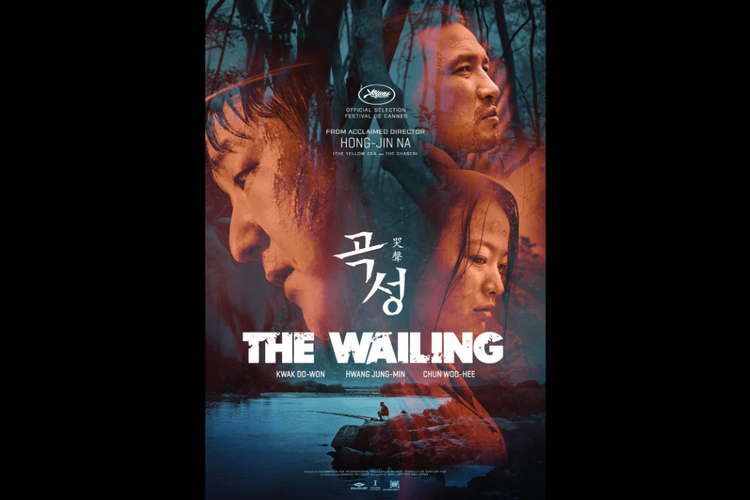
kwmedley.com – The Wailing (곡성; Goksung; literally “The Crying”) is a 2016 South Korean horror film written and directed by Na Hong-jin. This critically acclaimed film masterfully blends elements of horror, thriller, mystery, and folk religion, creating a deeply unsettling and thought-provoking cinematic experience. Set in a remote mountain village, the film explores themes of fear, paranoia, faith, and the unknown, leaving a lasting impact on the viewer.

A Series of Unsettling Events Plagues a Quiet Village

The story begins with a series of mysterious illnesses and violent deaths plaguing a small, rural village in South Korea. The local police, led by the bumbling but well-meaning officer Jong-goo (Kwak Do-won), are baffled by the inexplicable events. Rumors begin to circulate about a mysterious Japanese stranger (Jun Kunimura) who has recently arrived in the area, with some villagers believing him to be responsible for the strange occurrences.

A Father’s Desperate Search for Answers

As the situation escalates and Jong-goo’s own daughter, Hyo-jin (Kim Hwan-hee), begins to exhibit disturbing symptoms, he becomes increasingly desperate to find answers. He is drawn into a web of conflicting information, local superstitions, and unsettling encounters with various characters, including a mysterious woman in white (Chun Woo-hee) and a shaman (Hwang Jung-min).

A Complex Narrative That Defies Easy Interpretation

The Wailing is not a straightforward horror film. It unfolds as a complex and multi-layered narrative, challenging the viewer to piece together the fragments of information and decipher the truth behind the unfolding events. The film deliberately blurs the lines between reality and the supernatural, leaving the audience questioning what is truly happening.

A Masterful Blend of Genres and Tones

The film seamlessly blends different genres and tones, shifting from moments of dark humor and police procedural to scenes of intense horror and supernatural dread. This tonal shift keeps the viewer constantly on edge, unsure of what to expect next. The film also incorporates elements of Korean folklore and shamanism, adding a unique cultural dimension to the story.

Powerful Performances That Enhance the Atmosphere

The performances in The Wailing are exceptional, contributing significantly to the film’s unsettling atmosphere. Kwak Do-won delivers a powerful performance as the increasingly desperate and overwhelmed Jong-goo. Jun Kunimura is chillingly enigmatic as the mysterious Japanese stranger. Chun Woo-hee provides a haunting presence as the woman in white. And Hwang Jung-min delivers a captivating performance as the shaman, adding a layer of ritualistic intensity to the film.

A Cinematic Experience That Lingers in the Mind

The Wailing is a challenging but rewarding cinematic experience. It’s a film that stays with the viewer long after the credits roll, prompting reflection on its complex themes and ambiguous ending. It’s a masterful work of horror that transcends genre conventions and explores deeper questions about human nature, faith, and the nature of evil.

Goldfinger: A Golden Age of Bond – Spy Thriller

kwmedley.com – The 1960s was a golden age for James Bond films, and Goldfinger (1964) is arguably the most iconic entry in the series. Directed by Guy Hamilton and starring Sean Connery as the suave British spy, this film is a thrilling blend of action, humor, and style.

A Villain of Gold

The film introduces one of the most memorable Bond villains of all time, Auric Goldfinger (Gert Fröbe), a wealthy industrialist with a penchant for gold. Goldfinger’s plan to irradiate the world’s gold supply is both audacious and terrifying. His icy demeanor and distinctive laugh make him a truly iconic antagonist.

A Classic Bond Formula

Goldfinger adheres to the classic Bond formula, combining exotic locations, beautiful women, and thrilling action sequences. The film takes viewers on a globetrotting adventure, from the elegant casinos of Switzerland to the high-stakes world of international espionage.

Iconic Moments

Goldfinger is filled with iconic moments that have become synonymous with the Bond franchise. From the unforgettable opening scene at a card game to the thrilling climax at Fort Knox, the film is packed with memorable sequences. The laser scene, in particular, has become one of the most famous in cinematic history.

A Stylish and Sophisticated Thriller

The film’s stylish and sophisticated aesthetic is another key element of its enduring appeal. The stunning cinematography, elegant costumes, and sleek production design create a glamorous and exciting world.

A Cultural Phenomenon

Goldfinger was a cultural phenomenon upon its release and continues to be celebrated today. It is a testament to the enduring appeal of the James Bond franchise and a reminder of the golden age of spy thrillers.

Conclusion

Goldfinger is a timeless classic that captures the essence of the James Bond series. Its iconic villain, thrilling action sequences, and stylish aesthetic have made it a beloved film for generations. It remains a must-watch for fans of the franchise and a testament to the enduring power of cinema.

A Black Veil for Lisa: A Twisted Tale of Obsession & Betrayal

kwmedley.com – Released in 1968, A Black Veil for Lisa (original title: La morte non ha sesso) is a classic Italian giallo film directed by Massimo Dallamano. This suspenseful and stylish thriller delves into themes of obsession, betrayal, and the dark side of human nature.   

A Deadly Game of Cat and Mouse

The film follows Franz Bulon, a dedicated narcotics detective, who becomes consumed by jealousy and suspicion when he believes his beautiful wife, Lisa, is having an affair. Driven by a desire for revenge, Bulon hires a ruthless hitman, Alex, to eliminate his unfaithful wife.   

However, the plot takes a surprising turn when Alex and Lisa embark on their own illicit affair, turning the tables on Bulon and leading to a deadly game of cat and mouse. As the body count rises, Bulon becomes increasingly desperate to uncover the truth and bring his wife to justice.   

A Stylish and Suspenseful Thriller

A Black Veil for Lisa is renowned for its stylish cinematography, striking color palette, and its use of suspenseful music. The film’s atmospheric score, composed by Riz Ortolani, adds to the tension and creates a sense of foreboding.   

The film’s intricate plot and unexpected twists keep viewers guessing until the very end. The performances of John Mills as the obsessive detective and Luciana Paluzzi as the enigmatic Lisa are particularly noteworthy.   

A Giallo Masterpiece

A Black Veil for Lisa is considered a masterpiece of the giallo genre, a subgenre of Italian horror films known for their stylish visuals, complex plots, and often shocking violence. The film’s exploration of themes of obsession, jealousy, and betrayal continues to resonate with audiences today.

Man with the Gun: A Classic Western with a Twist

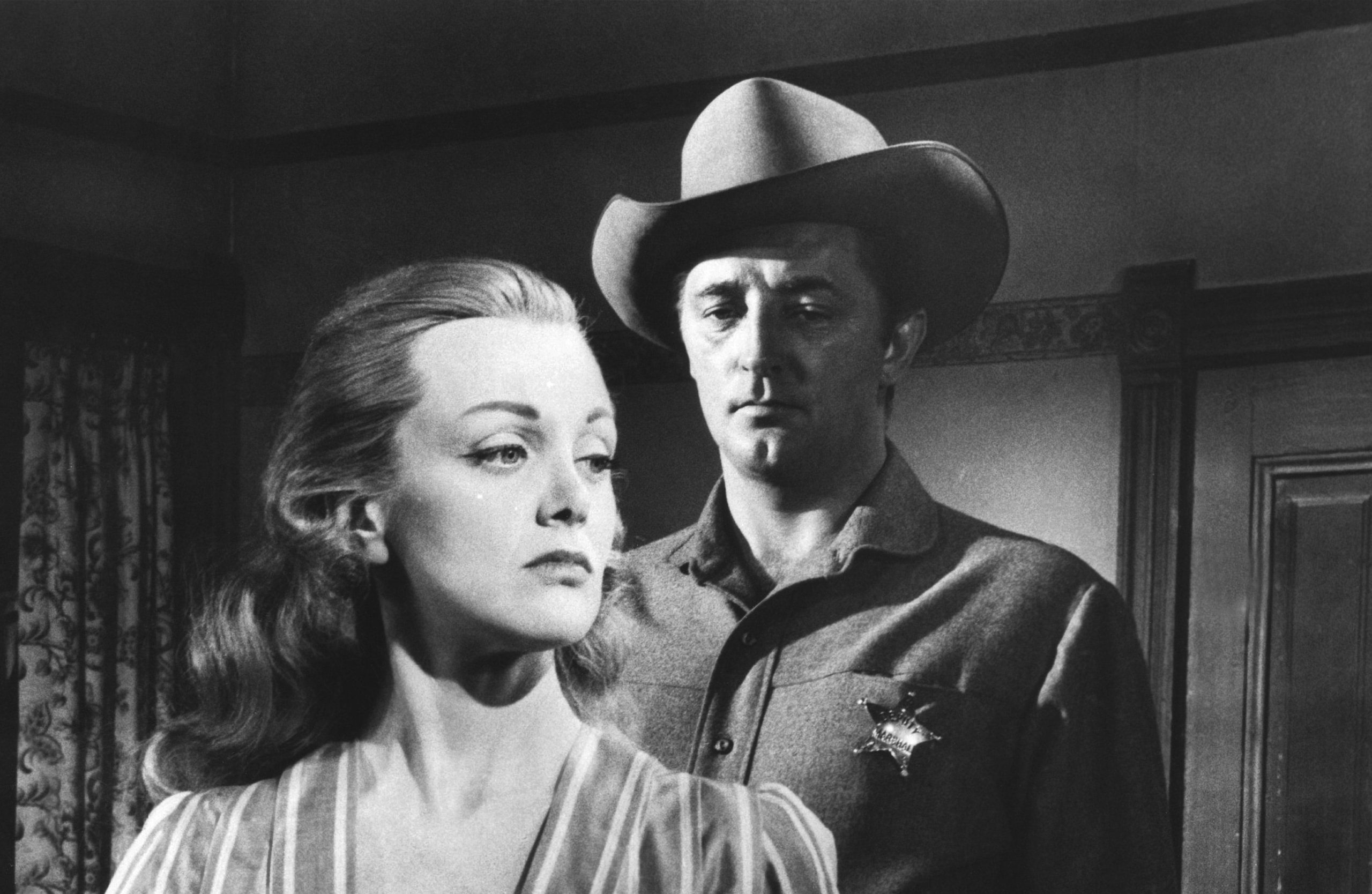
kwmedley.com – Man with the Gun (1955) is a classic Western film starring Robert Mitchum as Clint Tollinger, a hardened gunfighter with a troubled past. The film is notable for its dark, cynical tone and its exploration of themes of violence, redemption, and the corrupting influence of power.

A Cynical Take on the Western Genre

While the film adheres to many of the conventions of the Western genre, it subverts expectations by portraying its protagonist as a morally ambiguous figure. Tollinger is a man haunted by his past, driven by a desire for revenge and a need to prove himself. This complex characterization sets the film apart from other Westerns of the era.

A Stellar Supporting Cast

The film boasts a talented supporting cast, including Jan Sterling as Nelly Bain, Tollinger’s estranged wife, and Henry Hull as the ineffectual Marshal of Sheridan City. Angie Dickinson also makes a brief but memorable appearance as a saloon girl.

A Gritty and Realistic Portrayal of the Wild West

Man with the Gun offers a gritty and realistic portrayal of the Wild West, eschewing the romanticized depictions of earlier Westerns. The film highlights the violence, corruption, and lawlessness that plagued many frontier towns.

A Timeless Classic

Despite its dark and cynical tone, Man with the Gun remains a timeless classic. Its strong performances, compelling story, and stylish direction have ensured its enduring popularity. The film’s exploration of complex themes and its subversion of Western genre conventions continue to resonate with audiences today.

The Boys in Company C (1978) – Cast and Characters

kwmedley.com – “The Boys in Company C” is a 1978 American-Hong Kong war drama film that delves into the trials and tribulations of United States Marine Corps recruits during the Vietnam War. Directed by Sidney J. Furie, the film offers a gritty, realistic portrayal of the experiences faced by young soldiers as they transition from civilian life to the harsh realities of war.

Plot Overview

The film is set in 1967 and follows five young Marine inductees from their initial training at boot camp to their deployment in Vietnam. The narrative is divided into two distinct parts: the rigorous, often dehumanizing boot camp training, and the chaotic, life-threatening conditions of the battlefield. The story highlights the camaraderie, struggles, and moral dilemmas faced by these soldiers, providing a poignant commentary on the futility and brutality of war.

Cast and Characters

The ensemble cast includes Stan Shaw as Tyrone Washington, Andrew Stevens as Billy Ray Pike, and Michael Lembeck as Vinnie Fazio, among others. Each character brings a unique perspective to the film, reflecting diverse backgrounds and motivations. The film is notable for featuring R. Lee Ermey in his first acting role, portraying the role of the tough, no-nonsense drill instructor.

Themes and Analysis

“The Boys in Company C” explores several themes, including the loss of innocence, the impact of war on individuals, and the bonds formed between soldiers. The film’s depiction of boot camp training is both humorous and harrowing, emphasizing the psychological and physical challenges faced by recruits. The transition to the battlefield further intensifies these challenges, as the soldiers confront the horrors of war and the moral ambiguities of their actions.

Reception and Legacy

Upon its release, “The Boys in Company C” received mixed reviews from critics but has since gained recognition for its authentic portrayal of military life and its influence on subsequent war films. It is often compared to Stanley Kubrick’s “Full Metal Jacket,” which shares similar themes and was released nine years later. The film’s realistic depiction of the Vietnam War has contributed to its status as a cult classic, appreciated for its raw emotional impact and narrative depth.

Conclusion

“The Boys in Company C” remains a significant entry in the genre of war films, offering a compelling examination of the Vietnam War experience through the eyes of young Marines. Its blend of humor, drama, and poignant storytelling continues to resonate with audiences, providing a timeless reflection on the human cost of war.

The Deadly Affair (2009): Unraveling Crime and Mystery

kwmedley.com – “The Deadly Affair” (2009), also known as “致命关系,” is a Chinese thriller directed by Yu Bin. The film explores themes of crime, suspense, and human relationships, weaving a gripping narrative that keeps audiences on the edge of their seats.

Plot Summary

The movie kicks off with a shocking incident involving Lin Ying, a producer at a coastal TV station, who is critically injured in a shooting incident by an unknown assailant. Her colleague, Xiao Yan, is killed in the attack. This violent event sends ripples through the community and draws significant media attention, setting the stage for a complex investigation.

Intrigue and Investigation

As the investigation unfolds, the film delves into the intricate web of relationships and hidden motives surrounding the characters. The narrative is layered with suspense as authorities and individuals close to the victims dig deeper into the case. The plot thickens with unexpected twists and revelations, challenging viewers to piece together the mystery.

Character Dynamics

The film introduces a range of characters whose lives are entangled in the central crime. Each character adds depth to the narrative, bringing their own histories and secrets to light. The interactions between these characters highlight themes of trust, betrayal, and the pursuit of justice.

Themes of Crime and Justice

“The Deadly Affair” explores the dark underbelly of society, shedding light on the motivations behind criminal acts and the impact of such events on individuals and communities. The film raises questions about morality, justice, and the lengths to which people will go to protect their interests or uncover the truth.

Conclusion

With its suspenseful storyline and intricate character portrayals, “The Deadly Affair” offers a compelling look into the complexities of crime and human relationships. The film engages audiences with its blend of drama and mystery, making it a noteworthy entry in the genre of crime thrillers.

Turah (2016): A Riveting Depiction of Indonesian Village Life

kwmedley.com – “Turah” is a compelling 2016 Indonesian film directed by Wicaksono Wisnu Legowo. The film provides a vivid portrayal of life in a small, impoverished village in Central Java, exploring themes of poverty, community, and the human spirit. It gained critical acclaim for its authentic storytelling, strong performances, and insightful social commentary.

Plot Summary

The film is set in Tegal, a rural village where the inhabitants struggle with economic hardships and a lack of opportunities. The story revolves around Turah, a villager who, along with his fellow residents, deals with the manipulations of a corrupt landlord named Darso. The film highlights the villagers’ attempts to navigate the challenges of their environment while maintaining their dignity and hope for a better future.

Themes and Social Commentary

“Turah” delves deeply into the themes of social inequality and the power dynamics at play in rural Indonesia. It reflects on how systemic corruption and exploitation can perpetuate poverty and hinder social mobility. The film also emphasizes the resilience and solidarity among the villagers, showcasing their efforts to support one another in the face of adversity.

Cinematic Style

The film is noted for its realistic and minimalist approach. The director’s use of natural lighting, handheld camera work, and authentic dialogue adds to the film’s immersive quality. The performances, especially by the lead actors, bring a raw and genuine emotion to the story, making the audience feel deeply connected to the characters’ struggles and triumphs.

Critical Reception

“Turah” received praise from both audiences and critics for its honest depiction of village life and its examination of societal issues. It was selected as Indonesia’s entry for the Best Foreign Language Film at the 90th Academy Awards, highlighting its significance and impact. The film’s ability to resonate with viewers through its universal themes and heartfelt storytelling has cemented its place as a notable work in Indonesian cinema.

Conclusion

“Turah” is more than just a film; it is a poignant reflection on the resilience of the human spirit amidst the harsh realities of poverty and corruption. Through its authentic portrayal of village life and its exploration of social issues, the film offers a powerful narrative that is both specific to Indonesia and universally relatable.

Red Beard (1965): A Cinematic Masterpiece by Akira Kurosawa

kwmedley.com – “Red Beard” (1965) stands as a monumental achievement in the world of cinema, directed by the legendary Japanese filmmaker Akira Kurosawa. The film, known for its profound storytelling and compelling performances, marks the end of Kurosawa’s collaboration with the iconic actor Toshiro Mifune. Set in the Edo period, “Red Beard” is a poignant exploration of humanity, compassion, and the complexities of the human condition.

Plot Overview

Setting and Characters

The film is set in a rural clinic in Japan during the 19th century. It revolves around the stern and compassionate Dr. Kyojō Niide, affectionately known as “Red Beard,” played by Toshiro Mifune. The story unfolds through the eyes of a young and arrogant intern, Dr. Noboru Yasumoto, portrayed by Yūzō Kayama, who is reluctantly assigned to the clinic.

Storyline

Initially, Dr. Yasumoto is disgruntled by his assignment, hoping for a more prestigious position. However, as he witnesses Dr. Niide’s dedication to his patients, Yasumoto undergoes a transformative journey. The film weaves together various patient stories, each adding depth to the narrative and illustrating themes of suffering, redemption, and empathy.

Themes and Analysis

Compassion and Humanity

At its core, “Red Beard” is an exploration of compassion. Dr. Niide’s character embodies the idea that true healing transcends physical treatment and lies in understanding and kindness. The film highlights how empathy can bridge social divides and bring about personal growth.

Social Commentary

Kurosawa uses the clinic as a microcosm of society, addressing issues such as poverty, injustice, and the human capacity for change. Through its narrative, “Red Beard” offers a critique of social systems that neglect the marginalized and underscores the importance of moral responsibility.

Cinematic Techniques

Direction and Cinematography

Kurosawa’s direction in “Red Beard” is meticulous, with each frame crafted to enhance the emotional depth of the story. The film’s use of lighting, composition, and camera angles reflects the inner turmoil and eventual enlightenment of its characters.

Performances

Toshiro Mifune delivers a powerful performance as Dr. Niide, balancing authority with tenderness. Yūzō Kayama’s portrayal of Dr. Yasumoto’s evolution is equally compelling, capturing the essence of a young man’s awakening to compassion.

Conclusion

“Red Beard” is a testament to Akira Kurosawa’s genius as a filmmaker. It combines a rich narrative with profound philosophical inquiries, leaving a lasting impact on its audience. The film not only marks the end of an era in Kurosawa’s career but also solidifies his legacy as a storyteller who delves deep into the human soul.

The Butterfly’s Dream: A Journey into Poetry and Passion

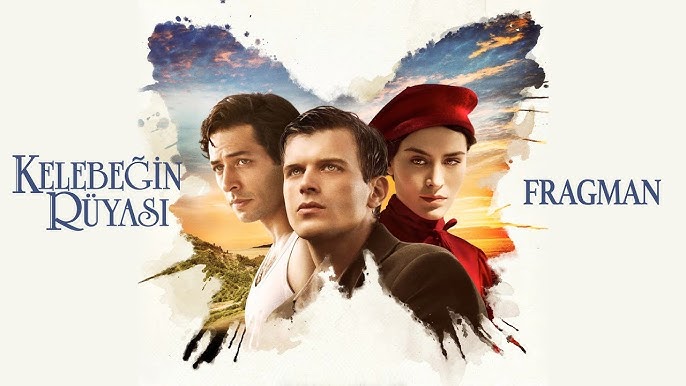
kwmedley.com – “The Butterfly’s Dream” (Kelebeğin Rüyası) is a 2013 Turkish film that beautifully intertwines poetry, romance, and history against the backdrop of a turbulent era. Directed by Yılmaz Erdoğan, the film offers a poignant exploration of friendship, love, and the enduring power of art in the face of adversity.

Plot Overview

Set in the early 1940s during World War II, “The Butterfly’s Dream” follows the lives of two young poets, Rüştü Onur and Muzaffer Tayyip Uslu, in the Turkish town of Zonguldak. Amidst the chaos of war and the oppressive atmosphere of their time, the poets find solace and inspiration in their literary pursuits. Their friendship blossoms as they navigate personal struggles and societal expectations, ultimately leading to a profound journey of self-discovery and artistic expression.

Themes and Symbolism

The film delves deeply into themes of friendship, love, and the transformative power of art. Through the lens of poetry, it captures the essence of human emotion and the resilience of the human spirit. The butterfly, a recurring motif in the film, symbolizes transformation and the fleeting nature of life, echoing the poets’ own struggles and aspirations.

Cinematic Excellence

“The Butterfly’s Dream” is renowned for its stunning cinematography, capturing the lush landscapes of Turkey and the intimate moments of its characters with equal grace. The film’s visual storytelling is complemented by a hauntingly beautiful score that underscores the emotional depth of the narrative.

Cultural and Historical Context

Set during a period of political and social upheaval, the film provides a window into Turkey’s cultural landscape in the 1940s. It highlights the challenges faced by artists and intellectuals under a restrictive regime, while also celebrating the rich tradition of Turkish poetry and literature.

Conclusion

“The Butterfly’s Dream” is a cinematic masterpiece that resonates with audiences through its universal themes and compelling storytelling. It is a tribute to the enduring power of friendship and the indomitable spirit of creativity, leaving viewers with a lasting impression of beauty and hope.

The Knot (2006): A Cinematic Exploration of Love & Sacrifice

kwmedley.com – “The Knot” (2006), directed by Yin Li, is a Chinese romantic drama that intricately weaves the themes of love, sacrifice, and destiny. This film, known as “Yun Shui Yao” in Mandarin, captivated audiences with its poignant narrative and compelling performances, ultimately winning the Best Film at the 2007 Golden Rooster Awards.

Plot Overview

Set against the backdrop of historical events, “The Knot” tells the story of Qiu Shui, a Taiwanese medical student who flees to Mainland China during the tumultuous period of Nationalist persecution. His journey takes him through the Korean War, where he serves as an army surgeon, and later to Tibet. During this time, Qiu Shui’s life intertwines with that of Wang Jin Di, a nurse from Shanghai who falls deeply in love with him.

Themes

Love Across Borders

The central theme of “The Knot” is the enduring power of love despite geographical and political barriers. The film explores how love can transcend time and distance, offering a narrative that is both heart-wrenching and hopeful.

Sacrifice and Duty

Another significant theme is the conflict between personal desires and duty. Qiu Shui’s journey is marked by sacrifices made in the name of duty, whether it is his commitment to his country or his responsibility as a medical professional during wartime.

Cinematic Elements

Direction and Cinematography

Director Yin Li’s masterful storytelling is complemented by stunning cinematography that captures the beauty and turbulence of the film’s settings. The visual narrative enhances the emotional depth of the story, making “The Knot” a visually compelling experience.

Performances

The performances in “The Knot” are noteworthy, with actors delivering nuanced portrayals that bring depth to their characters. Their ability to convey complex emotions adds authenticity to the film’s narrative.

Conclusion

“The Knot” is not just a film about love; it is a reflection on the choices that define our lives and the connections that bind us across time and space. Its success at the Golden Rooster Awards is a testament to its impact and the universal appeal of its story. For those interested in a cinematic journey through love and history, “The Knot” offers a rich and rewarding experience.

Exploring the Terrifying Brilliance of “The Shining”

kwmedley.com – “The Shining” is a seminal work in the horror genre, both as a novel by Stephen King and as a film directed by Stanley Kubrick. Released in 1977 and 1980 respectively, both versions have left an indelible mark on popular culture, captivating audiences with their psychological depth and chilling narratives. This article delves into the themes, characters, and legacy of “The Shining” as both a literary and cinematic masterpiece.

The Novel: Stephen King’s Psychological Horror

Stephen King’s “The Shining” tells the story of Jack Torrance, an aspiring writer and recovering alcoholic who takes a job as the winter caretaker of the Overlook Hotel. Accompanied by his wife Wendy and son Danny, who possesses psychic abilities known as “the shining,” Jack slowly succumbs to the malevolent forces that inhabit the hotel. The novel explores themes of isolation, family dynamics, and the devastating effects of addiction.

King’s writing masterfully builds tension and suspense, using the hotel’s haunting presence to symbolize Jack’s internal struggles. The Overlook becomes a character in its own right, with its history of violence and tragedy amplifying Jack’s descent into madness.

The Film: Stanley Kubrick’s Vision

Stanley Kubrick’s adaptation of “The Shining” takes a different approach, focusing more on atmospheric horror and visual storytelling. Jack Nicholson’s iconic portrayal of Jack Torrance captures the character’s gradual unraveling, while Shelley Duvall’s Wendy embodies vulnerability and resilience. Kubrick employs a distinctive use of cinematography, including the use of the Steadicam, to create a sense of unease and foreboding.

The film diverges from the novel in several key aspects, emphasizing ambiguity and psychological horror over the supernatural elements more prominent in King’s narrative. Kubrick’s interpretation has sparked debates among fans and critics, particularly regarding its deviations from the source material.

Themes and Analysis

Both the novel and film explore themes of madness, isolation, and the supernatural. The Overlook Hotel serves as a microcosm for these themes, with its remote location intensifying the Torrance family’s psychological struggles. The concept of “the shining” adds a layer of complexity, highlighting the power of perception and the unseen forces that influence human behavior.

The story also examines the impact of alcoholism and domestic violence, with Jack’s character embodying the destructive potential of these issues. The tension between Jack and Wendy reflects the breakdown of communication and trust within a strained marriage.

Legacy and Cultural Impact

“The Shining” has cemented its place in horror history, inspiring countless adaptations, references, and analyses. King’s novel remains a staple in the horror literature canon, while Kubrick’s film is often cited as one of the greatest horror movies of all time. The film’s iconic imagery, from the eerie twin girls to the blood-filled elevator, continues to influence filmmakers and haunt audiences.

The story’s enduring appeal lies in its exploration of universal fears and its ability to unsettle audiences through psychological and supernatural elements. “The Shining” challenges viewers and readers to confront the darkness within, making it a timeless work that continues to captivate and terrify.

Conclusion

“The Shining” is more than just a horror story; it is a profound exploration of human nature, fear, and the unknown. Whether through Stephen King’s gripping prose or Stanley Kubrick’s visionary filmmaking, “The Shining” remains a powerful example of storytelling that transcends its genre, leaving a lasting impact on literature and cinema.

Humanity Amidst Adversity: An Analysis of “My Name is Khan”

kwmedley.com – “My Name is Khan,” directed by Karan Johar and released in 2010, is a groundbreaking film that explores themes of love, identity, and resilience amidst adversity. Starring Shah Rukh Khan and Kajol, this Bollywood drama delves into the life of Rizwan Khan, a Muslim man with Asperger’s syndrome, navigating a post-9/11 America. Through its powerful narrative, the film challenges stereotypes and highlights the human spirit’s indomitable nature.

Plot Summary

The movie follows Rizwan Khan, who embarks on a journey across America to meet the President of the United States. His mission is driven by the simple yet profound message: “My name is Khan, and I am not a terrorist.” This quest begins after a personal tragedy befalls his family, rooted in the societal prejudice they face due to their Muslim identity.

Themes and Analysis

  1. Identity and Prejudice: The film adeptly addresses the issue of racial and religious profiling, particularly the heightened Islamophobia in the aftermath of the 9/11 attacks. Rizwan’s journey is symbolic of the broader struggles faced by Muslims in America, challenging viewers to confront their biases.
  2. Love and Resilience: At its core, “My Name is Khan” is a love story. The relationship between Rizwan and Mandira (played by Kajol) showcases the power of love to transcend social barriers and prejudices. Their bond is tested by external pressures, yet it remains a beacon of hope and resilience.
  3. Overcoming Disability: Rizwan’s Asperger’s syndrome is portrayed with sensitivity, emphasizing his unique perspective and strengths. The film highlights the challenges faced by individuals with disabilities, advocating for understanding and acceptance.

Cinematic Techniques

Karan Johar employs various cinematic techniques to enhance the storytelling. The film’s cinematography captures both the vastness of Rizwan’s journey and the intimacy of personal moments, while the soundtrack complements the emotional depth of the narrative.

Conclusion

“My Name is Khan” is more than just a film; it is a poignant commentary on humanity and the power of empathy. By weaving together themes of identity, love, and resilience, it encourages audiences to look beyond stereotypes and embrace diversity. This film remains a significant cultural artifact, reflecting Bollywood’s ability to address global issues through compelling storytelling.

The Magic of “La La Land”: A Cinematic Journey

kwmedley.com – “La La Land,” directed by Damien Chazelle and released in 2016, captivated audiences with its enchanting blend of music, romance, and dreams. This musical romantic comedy-drama stars Ryan Gosling and Emma Stone, who bring to life a story of ambition and love in the vibrant setting of Los Angeles.

A Modern Ode to Classic Musicals

Homage to the Golden Age

The film pays tribute to the classic Hollywood musicals of the 1950s and 60s, with its vibrant colors, sweeping camera movements, and elaborate dance sequences. Chazelle’s direction evokes nostalgia while infusing a contemporary twist, making “La La Land” a unique cinematic experience.

Music and Choreography

The film’s score, composed by Justin Hurwitz, is both memorable and integral to the storytelling. Songs like “City of Stars” and “Audition (The Fools Who Dream)” not only won awards but also became anthems for dreamers. The choreography, particularly in scenes like the opening number “Another Day of Sun,” showcases the energy and dynamism that define the film.

Characters and Performances

Mia and Sebastian

Emma Stone’s portrayal of Mia, an aspiring actress, and Ryan Gosling’s role as Sebastian, a jazz musician, are central to the film’s charm. Their chemistry is palpable, and their performances bring depth and authenticity to their characters’ struggles and aspirations.

A Journey of Dreams and Sacrifices

The narrative explores the tension between following one’s dreams and making personal sacrifices. Mia and Sebastian’s journey highlights the challenges of balancing love with ambition, resonating with anyone who has ever pursued a passion.

Visual and Thematic Brilliance

Cinematography and Visual Style

Linus Sandgren’s cinematography captures the essence of Los Angeles, transforming it into a dreamlike landscape that reflects the characters’ emotions. The visual style, with its use of color and light, enhances the film’s magical realism.

Themes of Hope and Reality

“La La Land” delves into themes of hope, perseverance, and the bittersweet nature of success. It reminds viewers that dreams often come with challenges and that the path to achieving them is filled with both joy and heartache.

Conclusion

“La La Land” is a film that transcends its genre, offering both an homage to classic cinema and a fresh perspective on modern dreams. Its combination of music, storytelling, and visual artistry makes it a timeless piece that continues to inspire audiences worldwide.