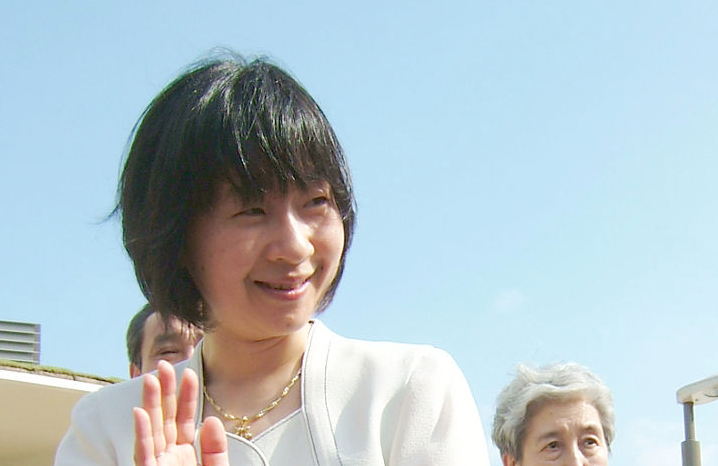
Sayako Kuroda: From Princess Nori to a Life as a Commoner

kwmedley.com – Sayako Kuroda, born on April 18, 1969, as Princess Nori, is the daughter of Emperor Akihito (now Emperor Emeritus) and Empress Michiko. Her decision to marry Yoshiki Kuroda, a commoner, in 2005 brought a significant change to her life, as she renounced her royal title and left the Japanese Imperial Family. Sayako’s story is a remarkable one, representing the intersection of personal choice and the traditional role of women in the Japanese monarchy, and reflects the evolving nature of royal life in contemporary Japan.

Early Life and Education

Princess Nori was born into the heart of Japan’s Imperial Family, as the only daughter of Emperor Akihito and Empress Michiko. Growing up in the royal household, Sayako was given a privileged but highly structured life. As the only daughter of the Emperor, she was expected to carry out numerous royal duties while adhering to the strict customs and protocols of the Imperial Family.

Sayako received her education at Gakushuin School, a prestigious institution historically attended by members of the Imperial Family. She later attended Gakushuin University, where she earned a degree in Japanese literature. Throughout her education, she was also prepared for her future role within the Imperial Family, which included ceremonial duties, cultural events, and public engagements focused on promoting Japan’s heritage.

During her youth, Princess Nori, along with her parents and younger brother Crown Prince Fumihito (Prince Akishino), was often seen participating in public functions. Despite the attention that came with her royal position, she was known for her calm demeanor and commitment to her responsibilities. Princess Nori’s education and upbringing were heavily focused on preparing her for a public role, as she would one day be expected to represent Japan and the Imperial Family on the world stage.

Role in the Imperial Family

Throughout her time in the Imperial Family, Princess Nori, later known as Sayako Kuroda, served as an important representative of the monarchy. As a member of the royal family, she attended state functions, cultural events, and official visits, both in Japan and abroad. She participated in numerous ceremonial duties, and her presence was seen as a symbol of continuity and tradition for the Japanese people.

Princess Nori was particularly admired for her involvement in charitable causes. She was deeply committed to promoting social welfare and children’s issues and participated in many events and initiatives aimed at improving the lives of Japan’s most vulnerable. Her royal duties, while ceremonial in many respects, also had a charitable focus, allowing her to connect with the public and contribute to the country’s social welfare system.

Despite the high profile nature of her position, Princess Nori maintained a relatively reserved public persona. Unlike other members of the Imperial Family who often took on more prominent roles, she led a life that was more focused on supporting her family and fulfilling her royal duties rather than seeking the spotlight.

Marriage to Yoshiki Kuroda and Renunciation of Royal Title

In 2005, Princess Nori made a life-altering decision when she announced her intention to marry Yoshiki Kuroda, a commoner and an official at the Tokyo Metropolitan Government. Under Japan’s Imperial Household Law, female members of the Imperial Family are required to renounce their royal titles and leave the family when they marry a commoner. As such, Princess Nori’s marriage to Yoshiki Kuroda on November 15, 2005, marked the end of her status as a member of the royal family.

Her decision to marry a man outside the Imperial Family, and the subsequent renunciation of her royal title, was a significant event in Japan. The marriage was widely covered by the media and prompted discussions about the role of women in the Japanese monarchy and the country’s succession laws. Her departure from the Imperial Family also highlighted the challenges posed by Japan’s strict succession laws, which do not allow women to inherit the throne. The fact that Princess Nori was expected to leave the royal family upon marriage emphasized the limited role that women play in the Japanese monarchy, particularly in terms of succession.

Following her marriage, Sayako Kuroda became a commoner and took on her husband’s surname, officially becoming Sayako Kuroda. While her departure from the Imperial Family was a significant personal transition, it also underscored broader societal questions about the role of women in the royal family, and about Japan’s laws regarding royal succession.

Life After Marriage

Following her marriage to Yoshiki Kuroda, Sayako Kuroda embraced a life outside the public spotlight. The couple settled in Tokyo, and Sayako Kuroda lived a private life, far removed from the public duties she had once undertaken as Princess Nori. The couple has one child, a son, born in 2006, marking a new chapter for Sayako Kuroda as she embraced motherhood and the responsibilities of a family outside the royal household.

In contrast to her public life as a member of the Imperial Family, Sayako Kuroda has chosen to lead a life free from the constraints and duties of royal life. Although she no longer carries out official royal duties or attends public events as she once did, she is still widely respected in Japan and admired for her dignified transition from royalty to a life as a commoner. Sayako’s story resonates with many people, as she exemplifies the challenges and sacrifices faced by members of the Imperial Family, particularly women who are bound by Japan’s laws.

Legacy and Impact

Sayako Kuroda’s decision to marry a commoner and leave the Imperial Family had a lasting impact on public discourse about the role of women in Japan’s monarchy. Her departure from the royal family raised questions about gender equality and succession laws. Although she was not in the direct line of succession, her marriage prompted discussions on whether Japan’s laws should be changed to allow female members to remain in the family after marriage, or even to potentially succeed to the throne. These issues continue to be a topic of debate in Japan today, as the country faces the possibility of a future without a male heir to the Chrysanthemum Throne.

Despite leaving the Imperial Family, Sayako Kuroda remains a beloved figure in Japan. Her decision to marry for love and live a life of personal autonomy, outside the rigid constraints of the monarchy, was seen as both brave and dignified. Her story continues to serve as a symbol of individual choice within the confines of a very traditional and highly structured royal institution.

Conclusion

Sayako Kuroda, formerly Princess Nori, is a remarkable figure in the history of Japan’s Imperial Family. Her decision to marry Yoshiki Kuroda and relinquish her royal title marked a pivotal moment in her life and in Japan’s monarchy. While her departure from the Imperial Family was a significant event, Sayako’s legacy remains one of grace, dignity, and personal autonomy. Today, as a commoner and a mother, she enjoys a life outside the public eye, but her contributions to the monarchy, and her role in prompting discussions about Japan’s Imperial Household laws, will continue to shape the future of the Japanese royal family.


Kim Seok-jin (Jin): The Elegant Vocalist of BTS

kwmedley.com – Born Kim Seok-jin on December 4, 1992, in Gwacheon, South Korea, Jin is a member of the globally renowned South Korean boy band BTS. Before his debut, he studied acting at Konkuk University.

Jin’s journey to stardom began in 2013 when he joined BTS. His striking visuals and charming personality quickly captured the hearts of fans worldwide, earning him the nickname “Worldwide Handsome.”

A Versatile Vocalist

While often recognized for his good looks, Jin is a talented vocalist with a unique vocal tone. His voice, often described as smooth and soothing, adds a distinctive touch to BTS’s music. He has showcased his vocal abilities in various genres, from ballads to upbeat pop songs.

The Visual King

Jin’s stunning visuals have made him one of the most popular K-pop idols. His elegant features, perfect skin, and captivating smile have earned him numerous endorsements and modeling opportunities. He is often praised for his natural beauty and his ability to effortlessly pull off any look.

A Caring and Supportive Member

Beyond his talent and good looks, Jin is known for his kind and caring nature. He is often seen as the “mom” of the group, taking care of his fellow members and creating a warm and supportive atmosphere. His humorous personality and witty remarks have also made him a beloved figure among fans.

A Growing Influence

Jin’s influence extends beyond the music industry. He has become a global icon, inspiring millions of fans with his positive energy and his dedication to his craft. His philanthropic endeavors and his support for various social causes have further solidified his status as a role model.

Turah (2016): A Riveting Depiction of Indonesian Village Life

kwmedley.com – “Turah” is a compelling 2016 Indonesian film directed by Wicaksono Wisnu Legowo. The film provides a vivid portrayal of life in a small, impoverished village in Central Java, exploring themes of poverty, community, and the human spirit. It gained critical acclaim for its authentic storytelling, strong performances, and insightful social commentary.

Plot Summary

The film is set in Tegal, a rural village where the inhabitants struggle with economic hardships and a lack of opportunities. The story revolves around Turah, a villager who, along with his fellow residents, deals with the manipulations of a corrupt landlord named Darso. The film highlights the villagers’ attempts to navigate the challenges of their environment while maintaining their dignity and hope for a better future.

Themes and Social Commentary

“Turah” delves deeply into the themes of social inequality and the power dynamics at play in rural Indonesia. It reflects on how systemic corruption and exploitation can perpetuate poverty and hinder social mobility. The film also emphasizes the resilience and solidarity among the villagers, showcasing their efforts to support one another in the face of adversity.

Cinematic Style

The film is noted for its realistic and minimalist approach. The director’s use of natural lighting, handheld camera work, and authentic dialogue adds to the film’s immersive quality. The performances, especially by the lead actors, bring a raw and genuine emotion to the story, making the audience feel deeply connected to the characters’ struggles and triumphs.

Critical Reception

“Turah” received praise from both audiences and critics for its honest depiction of village life and its examination of societal issues. It was selected as Indonesia’s entry for the Best Foreign Language Film at the 90th Academy Awards, highlighting its significance and impact. The film’s ability to resonate with viewers through its universal themes and heartfelt storytelling has cemented its place as a notable work in Indonesian cinema.

Conclusion

“Turah” is more than just a film; it is a poignant reflection on the resilience of the human spirit amidst the harsh realities of poverty and corruption. Through its authentic portrayal of village life and its exploration of social issues, the film offers a powerful narrative that is both specific to Indonesia and universally relatable.

The Courage of Marie Colvin – Early Life and Career

kwmedley.com – Marie Colvin was a fearless American journalist renowned for her intrepid reporting from some of the world’s most dangerous conflict zones. Her courage and dedication to uncovering the truth made her a trailblazer in journalism, inspiring a generation of reporters.

Early Life and Career

Born in 1956 in Oyster Bay, New York, Colvin graduated from Yale University with a degree in anthropology. Her career in journalism began at United Press International (UPI), where she quickly made a name for herself with her keen sense of storytelling and determination.

A Life on the Frontlines

Colvin’s reputation was built on her coverage of war zones across the globe, including conflicts in the Middle East, the Balkans, and Africa. She worked for The Sunday Times from 1985 until her untimely death in 2012. Colvin was known for her distinctive eye patch, a result of an injury she sustained while reporting on the Sri Lankan Civil War in 2001.

Fearless Reporting and Humanitarian Focus

Marie Colvin’s reporting was characterized by her commitment to highlighting the humanitarian impact of war. She believed in giving a voice to the voiceless and shining a light on the suffering of civilians caught in the midst of conflict. Her work was not just about reporting facts; it was about telling the human stories behind the headlines.

The Ultimate Sacrifice

In 2012, Colvin was tragically killed while covering the Syrian Civil War in Homs. Her death underscored the immense risks journalists face in pursuit of the truth. Despite the danger, Colvin never wavered in her commitment to reporting from the frontline, driven by a belief in the importance of bearing witness.

Legacy and Impact

Marie Colvin’s legacy continues to resonate in the world of journalism. Her courage and dedication serve as a powerful reminder of the essential role that journalists play in holding power to account and bringing the realities of war to the public’s attention. Colvin’s life and work have inspired films, documentaries, and countless articles, ensuring that her impact endures.

Conclusion

Marie Colvin’s courage was not just in her physical presence in dangerous situations, but in her unwavering commitment to truth and justice. Her legacy as a fearless journalist and humanitarian advocate continues to inspire and challenge journalists around the world to pursue stories that matter, regardless of the risks involved.

Life After Women’s Professional Soccer: Beyond the Goal

kwmedley.com – The world of women’s professional soccer has seen significant growth and recognition in recent years, with players achieving unprecedented levels of fame and success. However, the journey does not end when the final whistle blows on their professional careers. Many athletes face a challenging transition from being full-time athletes to navigating life beyond the pitch. This article explores the multifaceted lives of women after they retire from professional soccer, highlighting their achievements, challenges, and the impact they continue to make in various fields.

The Transition from Athlete to Post-Athlete Life

Retirement from professional sports is a significant milestone that brings about a myriad of emotions and challenges. For women soccer players, this transition often involves a shift in identity, routine, and social circles. The intense training schedules and competitive matches that once dominated their lives give way to a newfound freedom and the need to forge a new path. This period requires a reevaluation of goals, interests, and the discovery of new passions.

Education and Career Opportunities

Many former players leverage the discipline, leadership, and teamwork skills honed during their athletic careers to excel in various professional fields. Some pursue higher education, enrolling in undergraduate or graduate programs to gain the necessary qualifications for their chosen careers. Others venture into coaching, sports management, or become sports analysts, utilizing their deep understanding of the game to mentor the next generation or share their insights with fans.

Entrepreneurship and Philanthropy

The entrepreneurial spirit is alive and well among retired women soccer players. Some start their own businesses, ranging from sports-related ventures like soccer camps and fitness training to entirely different industries such as fashion, food, and technology. Philanthropy is another avenue where these athletes make a significant impact, founding charities or supporting causes close to their hearts, such as gender equality in sports, youth development, and health initiatives.

Balancing Personal Life and Legacy

Retirement also offers the opportunity to focus on personal relationships and family life. Many former players speak about the joy of having more time to spend with loved ones, pursuing hobbies, and enjoying a less hectic schedule. They also reflect on their legacy, aiming to inspire young girls to pursue their dreams, whether in sports or other endeavors. Through speaking engagements, social media, and writing, they share their stories, challenges, and triumphs, encouraging others to persevere and make a positive impact in their communities.

Conclusion

Life after women’s professional soccer is a testament to the resilience, adaptability, and versatility of these athletes. Beyond the goal, they continue to score victories in education, careers, entrepreneurship, and philanthropy, proving that their impact extends far beyond the pitch. Their journey from professional athlete to post-athlete life is a narrative of reinvention, influence, and inspiration, reminding us all of the limitless possibilities that lie ahead when we embrace change and pursue our passions with determination and heart.