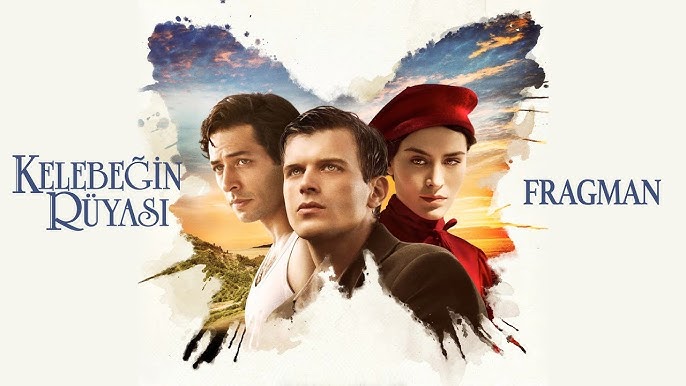
The Butterfly’s Dream: A Journey into Poetry and Passion

kwmedley.com – “The Butterfly’s Dream” (Kelebeğin Rüyası) is a 2013 Turkish film that beautifully intertwines poetry, romance, and history against the backdrop of a turbulent era. Directed by Yılmaz Erdoğan, the film offers a poignant exploration of friendship, love, and the enduring power of art in the face of adversity.

Plot Overview

Set in the early 1940s during World War II, “The Butterfly’s Dream” follows the lives of two young poets, Rüştü Onur and Muzaffer Tayyip Uslu, in the Turkish town of Zonguldak. Amidst the chaos of war and the oppressive atmosphere of their time, the poets find solace and inspiration in their literary pursuits. Their friendship blossoms as they navigate personal struggles and societal expectations, ultimately leading to a profound journey of self-discovery and artistic expression.

Themes and Symbolism

The film delves deeply into themes of friendship, love, and the transformative power of art. Through the lens of poetry, it captures the essence of human emotion and the resilience of the human spirit. The butterfly, a recurring motif in the film, symbolizes transformation and the fleeting nature of life, echoing the poets’ own struggles and aspirations.

Cinematic Excellence

“The Butterfly’s Dream” is renowned for its stunning cinematography, capturing the lush landscapes of Turkey and the intimate moments of its characters with equal grace. The film’s visual storytelling is complemented by a hauntingly beautiful score that underscores the emotional depth of the narrative.

Cultural and Historical Context

Set during a period of political and social upheaval, the film provides a window into Turkey’s cultural landscape in the 1940s. It highlights the challenges faced by artists and intellectuals under a restrictive regime, while also celebrating the rich tradition of Turkish poetry and literature.

Conclusion

“The Butterfly’s Dream” is a cinematic masterpiece that resonates with audiences through its universal themes and compelling storytelling. It is a tribute to the enduring power of friendship and the indomitable spirit of creativity, leaving viewers with a lasting impression of beauty and hope.


The Magic of “La La Land”: A Cinematic Journey

kwmedley.com – “La La Land,” directed by Damien Chazelle and released in 2016, captivated audiences with its enchanting blend of music, romance, and dreams. This musical romantic comedy-drama stars Ryan Gosling and Emma Stone, who bring to life a story of ambition and love in the vibrant setting of Los Angeles.

A Modern Ode to Classic Musicals

Homage to the Golden Age

The film pays tribute to the classic Hollywood musicals of the 1950s and 60s, with its vibrant colors, sweeping camera movements, and elaborate dance sequences. Chazelle’s direction evokes nostalgia while infusing a contemporary twist, making “La La Land” a unique cinematic experience.

Music and Choreography

The film’s score, composed by Justin Hurwitz, is both memorable and integral to the storytelling. Songs like “City of Stars” and “Audition (The Fools Who Dream)” not only won awards but also became anthems for dreamers. The choreography, particularly in scenes like the opening number “Another Day of Sun,” showcases the energy and dynamism that define the film.

Characters and Performances

Mia and Sebastian

Emma Stone’s portrayal of Mia, an aspiring actress, and Ryan Gosling’s role as Sebastian, a jazz musician, are central to the film’s charm. Their chemistry is palpable, and their performances bring depth and authenticity to their characters’ struggles and aspirations.

A Journey of Dreams and Sacrifices

The narrative explores the tension between following one’s dreams and making personal sacrifices. Mia and Sebastian’s journey highlights the challenges of balancing love with ambition, resonating with anyone who has ever pursued a passion.

Visual and Thematic Brilliance

Cinematography and Visual Style

Linus Sandgren’s cinematography captures the essence of Los Angeles, transforming it into a dreamlike landscape that reflects the characters’ emotions. The visual style, with its use of color and light, enhances the film’s magical realism.

Themes of Hope and Reality

“La La Land” delves into themes of hope, perseverance, and the bittersweet nature of success. It reminds viewers that dreams often come with challenges and that the path to achieving them is filled with both joy and heartache.

Conclusion

“La La Land” is a film that transcends its genre, offering both an homage to classic cinema and a fresh perspective on modern dreams. Its combination of music, storytelling, and visual artistry makes it a timeless piece that continues to inspire audiences worldwide.

SUNMI’s Solo Journey: Independent Spirit

kwmedley.com – In the ever-evolving landscape of K-pop, where groups often dominate the scene, solo artists carve out their own unique paths, showcasing individuality and artistry. Among these soloists, SUNMI stands out as a beacon of independence and creativity. Her journey from being a member of the iconic girl group Wonder Girls to becoming a successful solo artist is a testament to her resilience, talent, and unwavering spirit.

The Wonder Years

SUNMI first captured the hearts of fans as a member of Wonder Girls, one of the pioneering groups in the second generation of K-pop. Debuting in 2007, Wonder Girls quickly rose to fame with hits like “Tell Me” and “Nobody,” the latter becoming a global sensation. SUNMI’s contributions to the group’s success were significant, not only as a vocalist and dancer but also as a songwriter.

A Bold Step Towards Independence

In 2010, SUNMI made a bold decision that would alter the course of her career. She chose to leave Wonder Girls to pursue her education and reflect on her future in the music industry. This period of introspection was crucial for SUNMI, as it allowed her to redefine her identity outside the group and prepare for her solo debut.

Solo Debut and Critical Acclaim

SUNMI’s return to the music scene as a solo artist was met with anticipation and excitement. Her debut single, “24 Hours,” showcased her growth as an artist, but it was her subsequent releases that truly solidified her status as a solo powerhouse. Tracks like “Full Moon,” “Gashina,” “Heroine,” and “Siren” not only topped charts but also garnered critical acclaim for their innovative sound, captivating performances, and thought-provoking lyrics.

Breaking Barriers and Challenging Norms

SUNMI’s solo journey has been marked by her willingness to challenge the status quo. She has been vocal about the pressures of the K-pop industry, using her platform to advocate for mental health and artist rights. Her music often explores themes of self-love, empowerment, and the complexities of relationships, resonating with fans worldwide.

One of SUNMI’s most notable achievements is her role in breaking barriers for female solo artists in K-pop. Her success has paved the way for other soloists, demonstrating that it’s possible to thrive outside the confines of a group and on one’s own terms.

Artistry and Innovation

Beyond her music, SUNMI’s artistry is evident in her music videos, stage performances, and fashion choices. She has collaborated with some of the industry’s most innovative directors and choreographers, creating visual and performance art that complements her music. Her style is eclectic, drawing from a range of influences to create a look that is distinctly her own.

Conclusion

SUNMI’s solo journey is a story of independence, creativity, and resilience. From her days with Wonder Girls to her successful career as a solo artist, she has remained true to herself, challenging norms and pushing boundaries. Her music and performances continue to inspire, proving that with talent, determination, and an independent spirit, one can carve out their own path in the competitive world of K-pop. SUNMI’s legacy is not just in the music she creates but in the barriers she breaks and the doors she opens for future generations of artists.