Red Beard (1965): A Cinematic Masterpiece by Akira Kurosawa

kwmedley.com – “Red Beard” (1965) stands as a monumental achievement in the world of cinema, directed by the legendary Japanese filmmaker Akira Kurosawa. The film, known for its profound storytelling and compelling performances, marks the end of Kurosawa’s collaboration with the iconic actor Toshiro Mifune. Set in the Edo period, “Red Beard” is a poignant exploration of humanity, compassion, and the complexities of the human condition.

Plot Overview

Setting and Characters

The film is set in a rural clinic in Japan during the 19th century. It revolves around the stern and compassionate Dr. Kyojō Niide, affectionately known as “Red Beard,” played by Toshiro Mifune. The story unfolds through the eyes of a young and arrogant intern, Dr. Noboru Yasumoto, portrayed by Yūzō Kayama, who is reluctantly assigned to the clinic.

Storyline

Initially, Dr. Yasumoto is disgruntled by his assignment, hoping for a more prestigious position. However, as he witnesses Dr. Niide’s dedication to his patients, Yasumoto undergoes a transformative journey. The film weaves together various patient stories, each adding depth to the narrative and illustrating themes of suffering, redemption, and empathy.

Themes and Analysis

Compassion and Humanity

At its core, “Red Beard” is an exploration of compassion. Dr. Niide’s character embodies the idea that true healing transcends physical treatment and lies in understanding and kindness. The film highlights how empathy can bridge social divides and bring about personal growth.

Social Commentary

Kurosawa uses the clinic as a microcosm of society, addressing issues such as poverty, injustice, and the human capacity for change. Through its narrative, “Red Beard” offers a critique of social systems that neglect the marginalized and underscores the importance of moral responsibility.

Cinematic Techniques

Direction and Cinematography

Kurosawa’s direction in “Red Beard” is meticulous, with each frame crafted to enhance the emotional depth of the story. The film’s use of lighting, composition, and camera angles reflects the inner turmoil and eventual enlightenment of its characters.

Performances

Toshiro Mifune delivers a powerful performance as Dr. Niide, balancing authority with tenderness. Yūzō Kayama’s portrayal of Dr. Yasumoto’s evolution is equally compelling, capturing the essence of a young man’s awakening to compassion.

Conclusion

“Red Beard” is a testament to Akira Kurosawa’s genius as a filmmaker. It combines a rich narrative with profound philosophical inquiries, leaving a lasting impact on its audience. The film not only marks the end of an era in Kurosawa’s career but also solidifies his legacy as a storyteller who delves deep into the human soul.
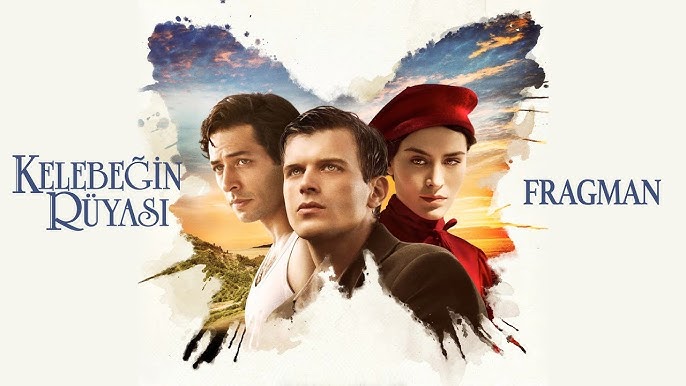
The Butterfly’s Dream: A Journey into Poetry and Passion

kwmedley.com – “The Butterfly’s Dream” (Kelebeğin Rüyası) is a 2013 Turkish film that beautifully intertwines poetry, romance, and history against the backdrop of a turbulent era. Directed by Yılmaz Erdoğan, the film offers a poignant exploration of friendship, love, and the enduring power of art in the face of adversity.

Plot Overview

Set in the early 1940s during World War II, “The Butterfly’s Dream” follows the lives of two young poets, Rüştü Onur and Muzaffer Tayyip Uslu, in the Turkish town of Zonguldak. Amidst the chaos of war and the oppressive atmosphere of their time, the poets find solace and inspiration in their literary pursuits. Their friendship blossoms as they navigate personal struggles and societal expectations, ultimately leading to a profound journey of self-discovery and artistic expression.

Themes and Symbolism

The film delves deeply into themes of friendship, love, and the transformative power of art. Through the lens of poetry, it captures the essence of human emotion and the resilience of the human spirit. The butterfly, a recurring motif in the film, symbolizes transformation and the fleeting nature of life, echoing the poets’ own struggles and aspirations.

Cinematic Excellence

“The Butterfly’s Dream” is renowned for its stunning cinematography, capturing the lush landscapes of Turkey and the intimate moments of its characters with equal grace. The film’s visual storytelling is complemented by a hauntingly beautiful score that underscores the emotional depth of the narrative.

Cultural and Historical Context

Set during a period of political and social upheaval, the film provides a window into Turkey’s cultural landscape in the 1940s. It highlights the challenges faced by artists and intellectuals under a restrictive regime, while also celebrating the rich tradition of Turkish poetry and literature.

Conclusion

“The Butterfly’s Dream” is a cinematic masterpiece that resonates with audiences through its universal themes and compelling storytelling. It is a tribute to the enduring power of friendship and the indomitable spirit of creativity, leaving viewers with a lasting impression of beauty and hope.

The Knot (2006): A Cinematic Exploration of Love & Sacrifice

kwmedley.com – “The Knot” (2006), directed by Yin Li, is a Chinese romantic drama that intricately weaves the themes of love, sacrifice, and destiny. This film, known as “Yun Shui Yao” in Mandarin, captivated audiences with its poignant narrative and compelling performances, ultimately winning the Best Film at the 2007 Golden Rooster Awards.

Plot Overview

Set against the backdrop of historical events, “The Knot” tells the story of Qiu Shui, a Taiwanese medical student who flees to Mainland China during the tumultuous period of Nationalist persecution. His journey takes him through the Korean War, where he serves as an army surgeon, and later to Tibet. During this time, Qiu Shui’s life intertwines with that of Wang Jin Di, a nurse from Shanghai who falls deeply in love with him.

Themes

Love Across Borders

The central theme of “The Knot” is the enduring power of love despite geographical and political barriers. The film explores how love can transcend time and distance, offering a narrative that is both heart-wrenching and hopeful.

Sacrifice and Duty

Another significant theme is the conflict between personal desires and duty. Qiu Shui’s journey is marked by sacrifices made in the name of duty, whether it is his commitment to his country or his responsibility as a medical professional during wartime.

Cinematic Elements

Direction and Cinematography

Director Yin Li’s masterful storytelling is complemented by stunning cinematography that captures the beauty and turbulence of the film’s settings. The visual narrative enhances the emotional depth of the story, making “The Knot” a visually compelling experience.

Performances

The performances in “The Knot” are noteworthy, with actors delivering nuanced portrayals that bring depth to their characters. Their ability to convey complex emotions adds authenticity to the film’s narrative.

Conclusion

“The Knot” is not just a film about love; it is a reflection on the choices that define our lives and the connections that bind us across time and space. Its success at the Golden Rooster Awards is a testament to its impact and the universal appeal of its story. For those interested in a cinematic journey through love and history, “The Knot” offers a rich and rewarding experience.

The Magic of “La La Land”: A Cinematic Journey

kwmedley.com – “La La Land,” directed by Damien Chazelle and released in 2016, captivated audiences with its enchanting blend of music, romance, and dreams. This musical romantic comedy-drama stars Ryan Gosling and Emma Stone, who bring to life a story of ambition and love in the vibrant setting of Los Angeles.

A Modern Ode to Classic Musicals

Homage to the Golden Age

The film pays tribute to the classic Hollywood musicals of the 1950s and 60s, with its vibrant colors, sweeping camera movements, and elaborate dance sequences. Chazelle’s direction evokes nostalgia while infusing a contemporary twist, making “La La Land” a unique cinematic experience.

Music and Choreography

The film’s score, composed by Justin Hurwitz, is both memorable and integral to the storytelling. Songs like “City of Stars” and “Audition (The Fools Who Dream)” not only won awards but also became anthems for dreamers. The choreography, particularly in scenes like the opening number “Another Day of Sun,” showcases the energy and dynamism that define the film.

Characters and Performances

Mia and Sebastian

Emma Stone’s portrayal of Mia, an aspiring actress, and Ryan Gosling’s role as Sebastian, a jazz musician, are central to the film’s charm. Their chemistry is palpable, and their performances bring depth and authenticity to their characters’ struggles and aspirations.

A Journey of Dreams and Sacrifices

The narrative explores the tension between following one’s dreams and making personal sacrifices. Mia and Sebastian’s journey highlights the challenges of balancing love with ambition, resonating with anyone who has ever pursued a passion.

Visual and Thematic Brilliance

Cinematography and Visual Style

Linus Sandgren’s cinematography captures the essence of Los Angeles, transforming it into a dreamlike landscape that reflects the characters’ emotions. The visual style, with its use of color and light, enhances the film’s magical realism.

Themes of Hope and Reality

“La La Land” delves into themes of hope, perseverance, and the bittersweet nature of success. It reminds viewers that dreams often come with challenges and that the path to achieving them is filled with both joy and heartache.

Conclusion

“La La Land” is a film that transcends its genre, offering both an homage to classic cinema and a fresh perspective on modern dreams. Its combination of music, storytelling, and visual artistry makes it a timeless piece that continues to inspire audiences worldwide.