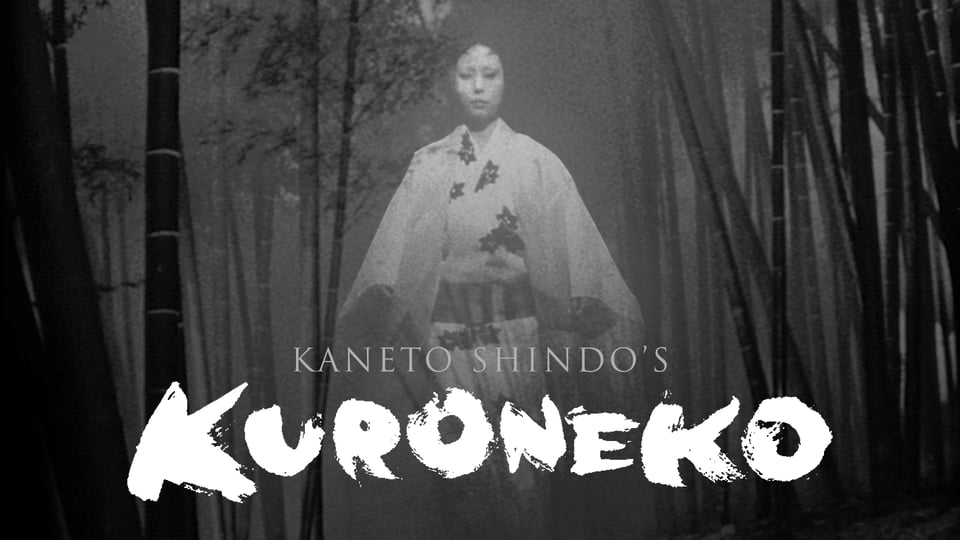
Kuroneko (1968) – A Tragic Tale of Revenge, Love, and Horror

kwmedley.com – Kuroneko (1968), directed by Kaneto Shindo, is a haunting and visually stunning film that seamlessly blends supernatural horror with themes of love, betrayal, and vengeance. Often regarded as one of the finest examples of Japanese horror, Kuroneko uses elements of folklore to tell a story that is as tragic as it is terrifying. With its beautiful cinematography, haunting atmosphere, and exploration of the darker aspects of human emotions, Kuroneko remains a timeless classic that continues to influence filmmakers in the horror genre.

Set in medieval Japan during a time of civil unrest, Kuroneko weaves a tale of two women who are brutally killed by a group of samurai, only to return as vengeful spirits. Their desire for revenge is transformed into a powerful and terrifying force, and the film explores the consequences of their wrath and the price of love and betrayal.

Plot Overview: The Revenge of the Ghostly Women

Kuroneko tells the story of a young woman named Yone and her mother-in-law, Shige, who live in a rural house on the outskirts of a war-torn village. The two women are raped and killed by a group of samurai who come through their home during the war. In the afterlife, their spirits return as vengeful ghosts, taking the form of powerful, mysterious beings who lure samurai to their deaths, killing them and drinking their blood. The women’s souls are consumed by their desire for revenge, and they continue to terrorize the samurai who cross their path.

The plot takes a significant turn when the son of Shige and Yone, Hachi, returns from the war, unaware that his mother and wife are now vengeful spirits. Upon returning home, Hachi encounters the two women, who appear to him as beautiful women in white kimonos, urging him to forget the past and live with them. However, as he gradually begins to suspect something is amiss, the tragic truth of their deaths and their transformation into vengeful ghosts is revealed.

The conflict intensifies when Hachi learns that the women are not the loving figures they once were but spirits consumed by rage and desire for vengeance. He is torn between his duty to the samurai code and his love for the two women who have returned in this supernatural form. The story builds toward a tragic and heartbreaking conclusion that highlights the price of revenge and the destructive nature of unresolved grief and anger.

Themes: Revenge, Love, and the Cycle of Violence

At its core, Kuroneko is a story about the destructive power of revenge and its ability to consume both the avenger and the victim. The two women’s deaths, though brutal, are followed by a powerful desire for vengeance that drives their spirits to kill without remorse. Their thirst for revenge is so strong that it transforms them into supernatural beings, no longer bound by human limitations.

The film explores the idea that vengeance is a cycle—one that is never truly satisfied and only leads to more suffering. The women’s desire to avenge their deaths leads them to kill countless samurai, but even after their revenge is fulfilled, they remain trapped in the cycle of violence, unable to find peace. The film questions whether vengeance can ever truly bring closure or if it simply perpetuates suffering and grief.

Love, too, plays a significant role in the film. The connection between Hachi and the two women—his mother and wife—forms the emotional backbone of the story. His deep love for them complicates his actions and decisions as he grapples with the truth of their supernatural transformation. The love that once united them is now poisoned by the vengeful spirits that have replaced the women he knew. His torn emotions create a sense of tragic inevitability, as the once-beautiful bond between them deteriorates into something horrific.

The theme of betrayal also runs through the film, as the samurai who kill the women betray not only the women but also the values they are meant to uphold. The samurai, who are supposed to be protectors and warriors of honor, are revealed to be rapists and murderers, committing unspeakable acts that set the tragic events of the film in motion. This betrayal of the women’s trust is central to the film’s exploration of the consequences of violence and dishonor.

Cinematic Style: Atmospheric and Haunting Imagery

One of the most striking features of Kuroneko is its visually arresting style. The film is shot in beautiful black-and-white, with stark contrasts and eerie lighting that create a sense of unease and mystery. The film’s cinematography, crafted by the legendary Kazuo Miyagawa, is vital in establishing its haunting atmosphere. The mist-filled landscapes, shadowy interiors, and sweeping shots of the moonlit countryside evoke a sense of isolation and otherworldliness that enhances the film’s supernatural themes.

The use of shadows and light is particularly effective in creating an unsettling tone. The two women, after their transformation into spirits, are often depicted as ghostly figures bathed in soft light, which contrasts with the darkness of the world around them. This play between light and shadow highlights the duality of their existence—both beautiful and deadly, innocent and vengeful.

The film’s settings also contribute significantly to its eerie atmosphere. The house, surrounded by a misty and desolate landscape, becomes a place of both refuge and danger. The characters are caught between two worlds—the living and the dead—reinforced by the haunting imagery of the marshes and the abandoned village. These locations, with their decaying structures and desolate surroundings, evoke feelings of isolation, grief, and despair.

The ethereal presence of the ghostly women is accentuated by their traditional attire and makeup. The contrast between their serene, ghost-like appearances and the violence they commit enhances the film’s chilling effect. The supernatural elements are integrated into the story in a way that feels organic, making the spirits of the women both terrifying and tragic at the same time.

The Symbolism of the Black Cat: A Link Between the Spiritual and Physical Worlds

The title Kuroneko translates to “Black Cat,” and while the literal presence of a black cat in the story is subtle, the film uses the symbolism of the cat to represent the connection between the human and supernatural realms. In Japanese folklore, cats are often seen as mystical creatures with the ability to bridge the world of the living and the dead. The black cat in the film can be seen as a symbol of the transformation of Yone and Shige from human women to vengeful spirits, as well as a representation of the unearthly nature of their revenge.

The cat also embodies the duality of their existence—beautiful yet deadly, nurturing yet destructive. Just as cats are often seen as both loving and enigmatic animals, the women in the film occupy a similar space, straddling the line between the living and the dead, between love and vengeance. The presence of the cat serves as a reminder of the eerie connection between the earthly and spiritual worlds, further enhancing the supernatural elements of the story.

Legacy and Influence: A Masterpiece of Japanese Horror

Kuroneko is considered one of the most influential horror films in Japanese cinema. Its blend of supernatural horror with social commentary on love, betrayal, and revenge set it apart from other films of the genre. The film’s ability to combine beauty and terror, tenderness and horror, has made it a classic that continues to inspire filmmakers today.

The influence of Kuroneko can be seen in many subsequent horror films, both within Japan and internationally. Its visual style and thematic complexity paved the way for future films that explore the intersection of the supernatural and the human condition. The film’s exploration of love and revenge as destructive forces is a theme that resonates in many modern horror and psychological thrillers.

Critically, Kuroneko has been praised for its emotional depth, its haunting atmosphere, and its ability to evoke both fear and empathy for the characters. It is a film that transcends the boundaries of traditional horror, offering a meditation on the cost of vengeance and the power of love. For fans of Japanese cinema, Kuroneko remains an essential work of art.

Conclusion: A Tragic and Haunting Masterpiece

Kuroneko (1968) is a haunting and beautifully crafted tale that explores the destructive power of vengeance, the complexity of love, and the tragic consequences of betrayal. Through its stunning visuals, atmospheric tension, and emotional depth, the film remains one of the most significant entries in the history of Japanese horror. Its exploration of supernatural themes and the human capacity for cruelty and redemption continues to resonate with audiences today, cementing Kuroneko as a timeless classic that stands as a testament to the power of storytelling and cinematic art.
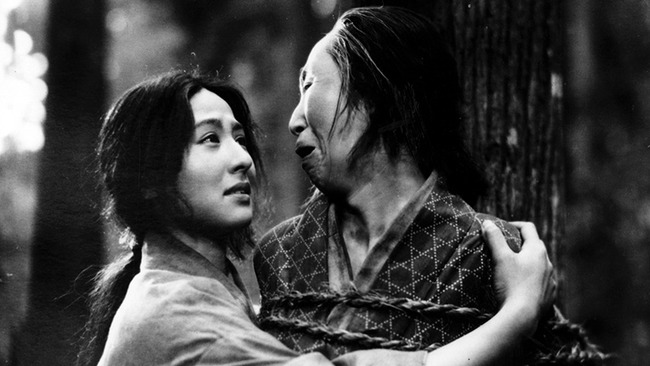

Sansho the Bailiff (1954): A Powerful Tale of Suffering

kwmedley.com – Sansho the Bailiff (1954), directed by Kenji Mizoguchi, is one of the most poignant and powerful films in Japanese cinema. Set in the 11th century, the film tells the tragic tale of a family torn apart by the cruelty of an oppressive feudal system. Based on a short story by the renowned Japanese writer Mori Ogai, Sansho the Bailiff is a haunting exploration of human suffering, resilience, and the enduring power of compassion and justice.

Mizoguchi, known for his delicate portrayals of women’s struggles and the complexity of human emotion, crafts a narrative that is as heartbreaking as it is beautiful. Through stunning cinematography, a deeply humanistic narrative, and powerful performances, Sansho the Bailiff stands as a testament to Mizoguchi’s ability to depict the darkest aspects of human nature while also highlighting the potential for redemption and grace. The film is often regarded as one of the finest works of world cinema and continues to resonate with audiences for its timeless themes.

Plot Overview: The Tragic Journey of a Family

Sansho the Bailiff takes place during Japan’s Heian period (794-1185) and follows the journey of a noble family—Zushio, his sister Anju, and their mother, Tamaki—who are separated when they are sold into slavery after their father, a provincial governor, is exiled for his opposition to corrupt officials.

The Fall of the Family

The story begins with the peaceful life of the family at their estate, where the father, a governor, strives to uphold justice and benevolence. However, when the father is exiled for his idealistic actions, the family’s fortunes are quickly reversed. Tamaki, the mother, is left to fend for her children, but they are eventually captured and sold into slavery.

The family’s separation marks the beginning of their suffering. Zushio and Anju are sold to the infamous Sansho, a cruel and heartless bailiff who runs a brutal plantation. Tamaki, desperate to find her children, embarks on a long and dangerous journey, but is unable to reunite with them. Over time, Zushio and Anju are subjected to intense hardship, cruelty, and exploitation under Sansho’s rule.

Zushio’s Transformation and the Pursuit of Justice

As the years pass, Zushio, who is initially a young and innocent boy, grows up under Sansho’s oppressive system. He is forced to endure brutal treatment and is gradually shaped by the cruelty he experiences, losing much of his former idealism. However, as an adult, Zushio begins to seek redemption for his family’s suffering. He comes into contact with a Buddhist priest who reminds him of his father’s ideals, and this rekindles his desire for justice and compassion.

In a final, heroic act, Zushio seeks to confront Sansho and end the reign of terror that has shaped his life and the lives of countless others. The story’s tragic denouement underscores the complexity of human nature, highlighting the difficulty of escaping the cycle of cruelty and the profound emotional cost of seeking redemption.

Themes of Suffering, Justice, and Redemption

At its core, Sansho the Bailiff is a film about suffering and the human capacity for resilience in the face of unimaginable hardship. The characters endure extraordinary pain and loss, but their journey is also one of profound emotional growth. Mizoguchi’s careful exploration of their suffering emphasizes the brutality of the feudal system and the way in which power and corruption dehumanize both the oppressed and the oppressors.

The Corrupting Nature of Power

A key theme in Sansho the Bailiff is the corrupting nature of power. Sansho, the titular bailiff, embodies the worst aspects of the feudal system. His cruelty knows no bounds, as he forces those under his control to live in squalor, stripping them of their humanity. His oppressive rule creates a brutal world where compassion is replaced by fear, and where survival often means sacrificing one’s moral integrity. In this sense, Sansho represents the perils of unchecked authority and the devastating impact of injustice on the human soul.

The film also delves into the relationship between the ruling class and the subjugated. While Zushio and his sister Anju suffer under Sansho’s cruelty, their plight represents the larger social issues of the time—how the powerless were at the mercy of those in power, and how a system based on inequality perpetuates suffering.

Resilience and the Pursuit of Justice

Despite the overwhelming brutality Zushio and his family face, Sansho the Bailiff is also a story of resilience. Zushio’s journey from innocence to despair and ultimately to the pursuit of justice is one of the film’s central arcs. His journey reflects the human struggle to maintain one’s moral compass in a world that seems determined to crush hope and humanity. The film powerfully portrays how the enduring values of compassion and justice can survive even in the darkest of times.

Zushio’s final act of confronting Sansho represents the desire for justice and the human need to correct wrongs, even when the chances of success are slim. The film suggests that, while suffering may seem insurmountable, the pursuit of justice is both a moral imperative and a path to redemption.

Family and Sacrifice

The theme of family is central to Sansho the Bailiff, with the separation of Zushio and his sister Anju from their mother representing the emotional core of the film. The sacrifices made by Tamaki, the mother, as she searches for her children, add another layer of emotional depth to the story. Her enduring love for her children, despite the distance and hardship, symbolizes the unbreakable bond that ties families together, even when separated by physical or emotional barriers.

Zushio’s devotion to his family and his desire to avenge their suffering further exemplify the idea of sacrifice. The film highlights the emotional and personal costs of seeking justice and redemption, suggesting that the path to righteousness is not only difficult but also fraught with personal loss.

Cinematic Style: Mizoguchi’s Vision

Kenji Mizoguchi’s direction is one of the key reasons Sansho the Bailiff remains a cinematic masterpiece. His signature style, marked by long, unbroken shots, elegant compositions, and a keen eye for detail, lends the film a sense of fluidity and realism. Mizoguchi’s ability to balance the intimate emotional moments with grand, sweeping vistas allows him to tell a story that is both deeply personal and profoundly universal.

The film’s cinematography, by Kazuo Miyagawa, is stunning and often symbolic. The landscapes, often bleak and desolate, reflect the emotional desolation of the characters. The use of framing also serves to emphasize the isolation of the protagonists, particularly Zushio and his sister, as they navigate the cruel world they inhabit. The stark contrast between the peaceful beauty of nature and the brutality of the feudal system heightens the emotional impact of the narrative.

Additionally, the music by Fumio Hayasaka, which underscores the film’s tragic and melancholic atmosphere, enhances the emotional resonance of each scene. The music mirrors the characters’ inner turmoil and the emotional weight of their experiences, further deepening the viewer’s engagement with the story.

Legacy and Influence: A Landmark in Japanese Cinema

Sansho the Bailiff is widely regarded as one of the greatest films in Japanese cinema and a testament to Mizoguchi’s skill as a director. The film’s exploration of human suffering, moral dilemmas, and the quest for justice continues to resonate with audiences today. Mizoguchi’s delicate portrayal of these universal themes, combined with his cinematic artistry, makes Sansho the Bailiff a timeless classic that has influenced filmmakers around the world.

The film has inspired numerous discussions on the nature of power, the struggle for justice, and the human condition, and its emotional impact continues to be felt across generations. Its legacy as one of the greatest achievements of Japanese cinema is secure, and it remains a touchstone for those interested in exploring the complexities of human nature and the quest for redemption.

Conclusion: A Story of Tragedy and Redemption

Sansho the Bailiff (1954) is a tragic yet deeply human story that explores the devastating effects of cruelty, the endurance of family love, and the unyielding quest for justice. Kenji Mizoguchi’s masterful direction, combined with powerful performances and stunning cinematography, creates a film that is as beautiful as it is heartbreaking. The film’s exploration of human suffering and resilience, set against the backdrop of a harsh and unforgiving feudal society, leaves a lasting impression on viewers, making Sansho the Bailiff a timeless cinematic classic that continues to resonate with audiences around the world.

Castaway on the Moon: A Tale of Isolation and Connection

kwmedley.com – “Castaway on the Moon” (김씨 표류기, Kimssi Pyo-ryugi, literally “Kim’s drifting”), a 2009 South Korean black comedy-drama film directed by Lee Hae-jun, presents a unique and poignant story about two isolated individuals who find an unexpected connection. The film offers a refreshing perspective on modern life, exploring themes of isolation, communication, and the search for meaning in the everyday.   

Two Solitary Souls

The film focuses on two main characters: Kim Seong-geun (Jung Jae-young), a man burdened by debt and personal struggles who attempts suicide by jumping off a bridge, and Kim Jung-yeon (Jung Ryeo-won), a reclusive young woman who hasn’t left her room in years, communicating with the outside world solely through her computer and camera.

Seong-geun’s suicide attempt goes awry when he washes up on a small, uninhabited island in the middle of the Han River in Seoul. Unable to return to the city, he finds himself unexpectedly cast away, forced to adapt to his new solitary existence.

Jung-yeon, on the other hand, observes Seong-geun’s activities on the island through her camera lens. Initially a detached observer, she gradually becomes fascinated by his resourcefulness and resilience.

Adapting to a New Reality

Seong-geun’s struggle for survival on the island forms the core of the film. He learns to fish, cultivate a small garden, and find creative ways to meet his basic needs. His transformation from a desperate man to a self-sufficient island dweller is both humorous and touching.

The island, though geographically close to the bustling city, becomes a world of its own for Seong-geun. He finds a sense of purpose in his newfound independence and discovers beauty in the simple things he once took for granted.

A Connection Across the Distance

Jung-yeon’s connection with Seong-geun develops through observation and subtle forms of communication. She leaves messages in bottles that she floats towards the island, and he responds in kind. Their interactions, though indirect, become a lifeline for both of them, offering a sense of connection in their respective isolations.

The film beautifully depicts the power of human connection, even in the most unconventional circumstances. Their relationship, built on shared loneliness and a mutual understanding of isolation, provides a sense of hope and belonging.

Themes of Isolation, Communication, and Modern Life

“Castaway on the Moon” explores several significant themes:

  • Modern Isolation: The film reflects on the increasing isolation experienced by individuals in modern society, even in densely populated urban environments. Both characters represent different forms of isolation: physical in Seong-geun’s case and self-imposed in Jung-yeon’s.
  • The Search for Meaning: Both characters are searching for meaning and purpose in their lives. Seong-geun finds it in his struggle for survival and his connection with nature, while Jung-yeon finds it in her observation of Seong-geun and their eventual connection.
  • The Power of Communication: The film highlights the importance of communication and human connection in overcoming isolation. Even indirect forms of communication, like messages in bottles, can have a profound impact.
  • Finding Beauty in the Mundane: The film encourages viewers to appreciate the simple things in life and find beauty in the everyday. Seong-geun’s experience on the island transforms his perspective, allowing him to see the world in a new light.

A Unique and Thought-Provoking Film

“Castaway on the Moon” is a unique and thought-provoking film that offers a fresh perspective on the human condition. Its blend of humor, drama, and philosophical reflection creates a compelling and memorable cinematic experience. The film’s gentle pace and understated performances allow the story’s deeper themes to resonate with viewers, making it a modern Korean classic.

A Black Veil for Lisa: A Twisted Tale of Obsession & Betrayal

kwmedley.com – Released in 1968, A Black Veil for Lisa (original title: La morte non ha sesso) is a classic Italian giallo film directed by Massimo Dallamano. This suspenseful and stylish thriller delves into themes of obsession, betrayal, and the dark side of human nature.   

A Deadly Game of Cat and Mouse

The film follows Franz Bulon, a dedicated narcotics detective, who becomes consumed by jealousy and suspicion when he believes his beautiful wife, Lisa, is having an affair. Driven by a desire for revenge, Bulon hires a ruthless hitman, Alex, to eliminate his unfaithful wife.   

However, the plot takes a surprising turn when Alex and Lisa embark on their own illicit affair, turning the tables on Bulon and leading to a deadly game of cat and mouse. As the body count rises, Bulon becomes increasingly desperate to uncover the truth and bring his wife to justice.   

A Stylish and Suspenseful Thriller

A Black Veil for Lisa is renowned for its stylish cinematography, striking color palette, and its use of suspenseful music. The film’s atmospheric score, composed by Riz Ortolani, adds to the tension and creates a sense of foreboding.   

The film’s intricate plot and unexpected twists keep viewers guessing until the very end. The performances of John Mills as the obsessive detective and Luciana Paluzzi as the enigmatic Lisa are particularly noteworthy.   

A Giallo Masterpiece

A Black Veil for Lisa is considered a masterpiece of the giallo genre, a subgenre of Italian horror films known for their stylish visuals, complex plots, and often shocking violence. The film’s exploration of themes of obsession, jealousy, and betrayal continues to resonate with audiences today.

Tradition and Technology in Sailing Craft: The Schooner’s Tale

kwmedley.com – The history of sailing is a rich tapestry woven from the threads of tradition and technology. From ancient mariners to modern sailors, the quest to harness the wind and navigate the seas has driven innovation and preserved maritime heritage. This article delves into the story of soldiers and sailors who have navigated the seas, exploring the intersection of tradition and technology in sailing craft.

The Age of Traditional Sailing

The age of traditional sailing is marked by the reliance on wind power and the skill of the sailor. Schooners, with their multiple masts and fore-and-aft rigging, were a prominent feature of this era. These vessels were versatile, capable of navigating both open oceans and narrow channels, making them invaluable for trade, exploration, and military operations.

The Role of Schooners in Military History

Schooners played a significant role in military history, serving as scouts, messengers, and combatants. Their speed and maneuverability allowed them to outmaneuver larger ships, making them essential for reconnaissance and hit-and-run tactics. The USS Constitution, also known as “Old Ironsides,” is a famous example of a ship that utilized the schooner’s design to great effect during the War of 1812.

The Evolution of Sailing Technology

As technology advanced, so did the design and capabilities of sailing craft. The introduction of steel hulls, steam engines, and later, diesel engines, transformed the way schooners and other sailing vessels were built and operated. These innovations increased speed, range, and reliability, allowing sailors to venture further and faster than ever before.

The Blending of Tradition and Technology

Today, the blending of tradition and technology is evident in the design and operation of sailing craft. Modern schooners, like the American Eagle, combine traditional rigging and design with advanced navigation systems, weather forecasting, and safety equipment. This fusion ensures that the spirit of traditional sailing is preserved while benefiting from the advantages of modern technology.

The Schooner’s Tale Continues

The schooner’s tale is far from over. As soldiers and sailors continue to navigate the seas, they carry with them the legacy of those who sailed before. Whether for recreation, research, or education, the schooner remains a symbol of the enduring human desire to explore and connect with the natural world.

Conclusion

The story of tradition and technology in sailing craft is a testament to human ingenuity and adaptability. From the age of majestic sailing vessels to the modern era of high-tech sailboats, the schooner’s tale reflects the constant evolution of maritime culture. As we look to the future, we can be inspired by the past, embracing both the timeless beauty of traditional sailing and the boundless potential of technological advancement.