The Reigning Queen of Greek Pop: Helena Paparizou

kwmedley.com Helena Paparizou, born Elena Paparizou on January 31, 1982, in Borås, Sweden, is a hugely popular Greek-Swedish singer, songwriter, and television personality. She is best known for winning the Eurovision Song Contest in 2005 with the song “My Number One,” solidifying her status as a leading figure in Greek pop music.   

From Sweden to Greek Stardom

Paparizou was raised in Sweden by Greek immigrant parents. Her early musical experiences included singing in various school choirs and developing a passion for performing. In 1999, she formed the duo Antique with her childhood friend Nikos Panagiotidis. Antique blended Greek folk music with Scandinavian pop influences, achieving moderate success in both Greece and Sweden.   

Antique represented Greece in the Eurovision Song Contest in 2001 with the song “Die for You,” finishing third. This performance brought Paparizou wider recognition and paved the way for her solo career.   

A Solo Career Takes Off

After Antique disbanded in 2003, Paparizou embarked on a successful solo career. Her debut solo album, “Protereotita” (“Priority”), was released in 2004 and achieved significant commercial success in Greece. It showcased her versatile vocal abilities and established her as a rising star in the Greek music scene.   

Eurovision Triumph and International Recognition

The defining moment of Paparizou’s career came in 2005 when she represented Greece in the Eurovision Song Contest with the song “My Number One.” The song, with its catchy melody, energetic choreography, and Paparizou’s captivating performance, won the competition, giving Greece its first-ever Eurovision victory. “My Number One” became a massive hit across Europe and further cemented Paparizou’s international stardom.   

Some of her most popular songs include:

  • “My Number One”: Her Eurovision-winning song remains her signature tune and a timeless classic in the Eurovision songbook.
  • “Mambo!”: A high-energy Latin-infused pop song that showcased her versatility and dance skills.
  • “Iparhi Logos” (“There is a Reason”): A powerful ballad that demonstrated her vocal range and emotional depth.
  • “Anapandites Kliseis” (“Unanswered Calls”): A popular song showcasing her contemporary pop sound.   

A Versatile and Dynamic Performer

Paparizou is known for her dynamic stage presence, powerful vocals, and ability to connect with audiences. Her music blends elements of pop, dance, and traditional Greek music, creating a unique and captivating sound. She has released numerous successful albums and singles throughout her career, consistently demonstrating her musical talent and adaptability.   

Key aspects of her career include:

  • Eurovision Success: Her victory in the Eurovision Song Contest was a pivotal moment that propelled her to international fame.
  • Powerful Vocals: Paparizou possesses a strong and versatile voice with an impressive range.
  • Dynamic Stage Presence: Her live performances are known for their energy, choreography, and visual appeal.
  • Consistent Chart Success: She has consistently achieved commercial success in Greece and Cyprus, with numerous chart-topping albums and singles.

A Lasting Impact on Greek Pop

Helena Paparizou’s impact on Greek pop music is undeniable. She has influenced countless artists and remains a beloved figure in Greece, Cyprus, and beyond. Her music continues to be enjoyed by fans of all ages, and her concerts continue to draw large crowds. She has also served as a judge on various talent shows, further solidifying her position as a respected figure in the entertainment industry.   

Helena Paparizou’s career is a testament to her talent, hard work, and dedication to her craft. She has solidified her place as one of the most influential and successful artists in the history of Greek pop music. Her ability to connect with audiences through her music and performances has cemented her status as a true icon.
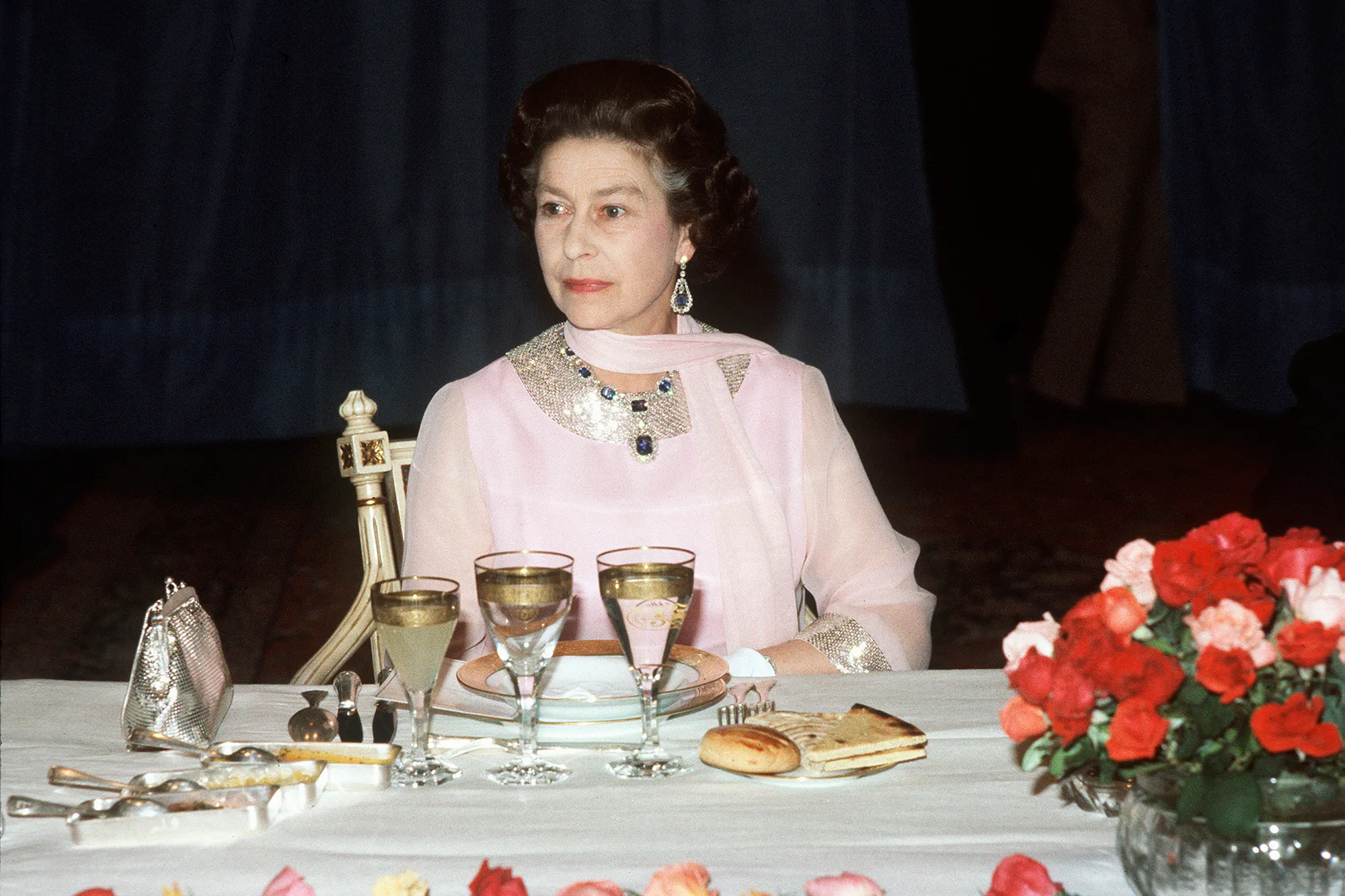
The Queen’s Table: Dishes of Distinction

kwmedley.com – The world of royal dining is steeped in tradition, elegance, and a touch of mystique. The Queen’s Table, often regarded as the epitome of sophistication, showcases a variety of dishes that are not only exquisite in taste but also rich in history. In this article, we delve into the regal culinary experiences that define The Queen’s Table, exploring the dishes that have graced the tables of monarchs for centuries.

A Glimpse into History: The Origins of Royal Cuisine

Royal cuisine has long been a symbol of power and prestige. Historically, the dishes served at royal banquets were a reflection of the kingdom’s wealth and the monarch’s influence. From the lavish feasts of medieval times to the more refined dining experiences of modern royalty, the evolution of royal cuisine is a testament to the changing tastes and societal influences throughout history.

Signature Dishes: A Culinary Journey

  1. Roast Swan and Peacock Pie

    • In medieval England, roast swan and peacock pie were considered the height of luxury. These extravagant dishes were often served at grand feasts and celebrations, showcasing the culinary skills of the royal chefs.
  2. Salmagundi

    • A popular dish during the reign of Queen Anne, Salmagundi is a salad made from a variety of ingredients, including meats, seafood, vegetables, and spices. It reflects the global influences on royal cuisine, incorporating flavors from across the British Empire.
  3. Crown Roast of Lamb

    • A timeless classic, the crown roast of lamb is a dish that combines elegance with tradition. Often served at state banquets, it is a symbol of the royal family’s connection to the land and their commitment to supporting local agriculture.

The Role of the Royal Chef: Guardians of Tradition

The royal chef plays a pivotal role in maintaining the standards of The Queen’s Table. Tasked with creating menus that balance traditional dishes with modern culinary trends, the royal chef must ensure that every meal is a reflection of the monarchy’s values and heritage. Their expertise and creativity are crucial in crafting dishes that not only satisfy the palate but also tell a story of the kingdom’s history and culture.

Dining Etiquette: The Unspoken Rules of The Queen’s Table

Dining at The Queen’s Table is governed by a set of protocols and etiquette that have been passed down through generations. From the arrangement of cutlery to the sequence of serving dishes, each aspect of the dining experience is meticulously planned to maintain the dignity and decorum expected at a royal event. These unspoken rules are a testament to the importance of tradition and respect within the royal household.

Conclusion: A Celebration of Heritage and Innovation

The Queen’s Table is more than just a dining experience; it is a celebration of heritage, innovation, and the timeless elegance of royal cuisine. Each dish served is a blend of tradition and modernity, reflecting the monarchy’s ability to adapt and evolve while honoring its rich history. As we explore the dishes of distinction that define The Queen’s Table, we gain a deeper appreciation for the role of food in shaping the identity and legacy of royalty.

The Mysteries of Agatha Christie: The Queen of Crime

kwmedley.com – Agatha Christie, known as the “Queen of Crime,” is one of the best-selling authors in history. Her books have captivated millions of readers with their intricate plots, memorable characters, and unexpected twists. From the charming Belgian detective Hercule Poirot to the astute Miss Marple, Christie’s creations have become iconic figures in the world of mystery fiction.

Early Life and Inspirations

Born in Torquay, England, in 1890, Agatha Christie grew up in an environment rich with storytelling. Her mother encouraged her to read, and she developed a love for literature at a young age. Christie’s early life was marked by a fascination with puzzles and mysteries, which would later become the foundation of her writing career.

The Birth of Hercule Poirot

Christie’s first novel, “The Mysterious Affair at Styles,” introduced the world to Hercule Poirot, a retired Belgian police officer with a keen eye for detail. Poirot’s meticulous nature and logical approach to solving crimes made him an instant hit with readers. This character would go on to appear in over 30 novels and 50 short stories, solidifying his place as one of the most beloved detectives in literary history.

Miss Marple: The Unassuming Sleuth

In contrast to Poirot, Miss Marple is an elderly spinster living in the quaint village of St. Mary Mead. Her sharp observations of human nature allow her to solve crimes that baffle the police. Introduced in “The Murder at the Vicarage,” Miss Marple’s character is a testament to Christie’s ability to create diverse and engaging detectives.

The Art of the Plot Twist

One of Christie’s trademarks is her masterful use of plot twists. She has a remarkable ability to lead readers down one path, only to surprise them with an unexpected turn of events. Novels like “Murder on the Orient Express” and “And Then There Were None” are prime examples of her skill in crafting unpredictable and thrilling narratives.

Legacy and Adaptations

Agatha Christie’s influence extends beyond her written works. Her novels have been adapted into numerous films, television series, and stage plays. The enduring popularity of her stories is a testament to her genius as a storyteller.

Conclusion

Agatha Christie’s mysteries continue to captivate audiences around the world. Her unique blend of intriguing plots, memorable characters, and surprising twists has earned her a permanent place in the pantheon of literary greats. As readers delve into her mysteries, they embark on a journey filled with suspense, intrigue, and the timeless allure of a perfectly crafted whodunit.

The Modernizing Monarch of Denmark: Queen Margrethe II

kwmedley.com – Queen Margrethe II, born on April 16, 1940, ascended to the Danish throne on January 14, 1972, following the death of her father, King Frederick IX. Her reign, which spanned over five decades, was marked by her dedication to modernizing the Danish monarchy and fostering a close connection with her people. Queen Margrethe II’s contributions to Danish culture, her philanthropic efforts, and her role in maintaining the relevance of the monarchy in the modern era have left an indelible mark on Denmark and its people.

Early Life and Ascension to the Throne

Margrethe Alexandrine Þórhildur Ingrid was born in Amalienborg Palace, Copenhagen, as the eldest child of Crown Prince Frederick and Princess Ingrid of Sweden. Her birth was a significant event, as she became the first female heir to the Danish throne under the new succession laws. Margrethe’s upbringing was marked by a strong sense of duty and responsibility, preparing her for her future role as queen.

Upon the death of her father in 1972, Margrethe ascended to the throne, becoming the first female monarch of Denmark since Margrethe I, who ruled in the 14th century. Her coronation was a momentous occasion, symbolizing a new era for the Danish monarchy.

Modernizing the Monarchy

Queen Margrethe II was known for her progressive views and her efforts to modernize the Danish monarchy. She understood the importance of adapting to the changing times while preserving the traditions and values that define the monarchy. Some of her key initiatives included:

  • Public Engagement: Queen Margrethe II was highly visible and accessible to her people. She undertook numerous public engagements, visited schools, hospitals, and cultural institutions, and participated in national celebrations, making her a beloved figure among the Danish people.
  • Cultural Contributions: An accomplished artist and translator, Queen Margrethe II played a significant role in promoting Danish culture both at home and abroad. She translated several French comic strips into Danish and designed costumes and sets for the Royal Danish Ballet.
  • Philanthropy: The queen was involved in various philanthropic activities, supporting causes such as children’s welfare, the arts, and environmental conservation. Her commitment to these issues highlighted the monarchy’s role in addressing societal challenges.

International Relations

Queen Margrethe II played a vital role in Denmark’s international relations, representing her country on the global stage with dignity and grace. She undertook numerous state visits and hosted foreign dignitaries, strengthening Denmark’s ties with other nations and promoting Danish interests abroad.

Legacy

Queen Margrethe II’s reign was characterized by her dedication to serving her country and her people. Her efforts to modernize the Danish monarchy while preserving its traditions ensured its relevance in the 21st century. Her contributions to Danish culture, her philanthropic work, and her role in international relations have left a lasting legacy, making her one of Denmark’s most beloved and respected monarchs.

Queen Margrethe II’s passing in 2022 marked the end of an era for the Danish monarchy. Her life and reign were a testament to her strength, wisdom, and commitment to her country. As Denmark mourned the loss of their queen, they also celebrated her life and the enduring impact she had on the nation she loved so deeply.