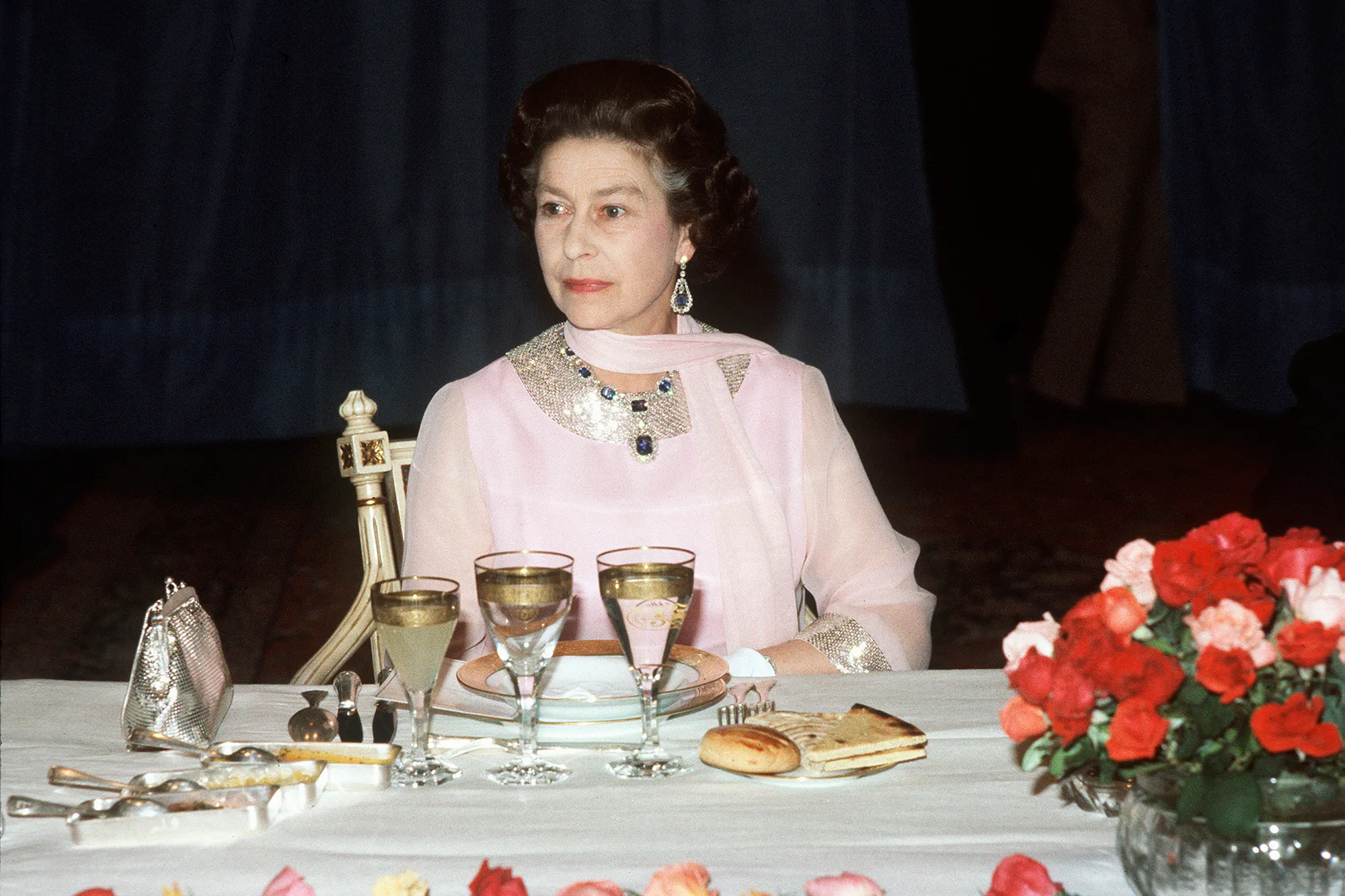
The Queen’s Table: Dishes of Distinction

kwmedley.com – The world of royal dining is steeped in tradition, elegance, and a touch of mystique. The Queen’s Table, often regarded as the epitome of sophistication, showcases a variety of dishes that are not only exquisite in taste but also rich in history. In this article, we delve into the regal culinary experiences that define The Queen’s Table, exploring the dishes that have graced the tables of monarchs for centuries.

A Glimpse into History: The Origins of Royal Cuisine

Royal cuisine has long been a symbol of power and prestige. Historically, the dishes served at royal banquets were a reflection of the kingdom’s wealth and the monarch’s influence. From the lavish feasts of medieval times to the more refined dining experiences of modern royalty, the evolution of royal cuisine is a testament to the changing tastes and societal influences throughout history.

Signature Dishes: A Culinary Journey

  1. Roast Swan and Peacock Pie

    • In medieval England, roast swan and peacock pie were considered the height of luxury. These extravagant dishes were often served at grand feasts and celebrations, showcasing the culinary skills of the royal chefs.
  2. Salmagundi

    • A popular dish during the reign of Queen Anne, Salmagundi is a salad made from a variety of ingredients, including meats, seafood, vegetables, and spices. It reflects the global influences on royal cuisine, incorporating flavors from across the British Empire.
  3. Crown Roast of Lamb

    • A timeless classic, the crown roast of lamb is a dish that combines elegance with tradition. Often served at state banquets, it is a symbol of the royal family’s connection to the land and their commitment to supporting local agriculture.

The Role of the Royal Chef: Guardians of Tradition

The royal chef plays a pivotal role in maintaining the standards of The Queen’s Table. Tasked with creating menus that balance traditional dishes with modern culinary trends, the royal chef must ensure that every meal is a reflection of the monarchy’s values and heritage. Their expertise and creativity are crucial in crafting dishes that not only satisfy the palate but also tell a story of the kingdom’s history and culture.

Dining Etiquette: The Unspoken Rules of The Queen’s Table

Dining at The Queen’s Table is governed by a set of protocols and etiquette that have been passed down through generations. From the arrangement of cutlery to the sequence of serving dishes, each aspect of the dining experience is meticulously planned to maintain the dignity and decorum expected at a royal event. These unspoken rules are a testament to the importance of tradition and respect within the royal household.

Conclusion: A Celebration of Heritage and Innovation

The Queen’s Table is more than just a dining experience; it is a celebration of heritage, innovation, and the timeless elegance of royal cuisine. Each dish served is a blend of tradition and modernity, reflecting the monarchy’s ability to adapt and evolve while honoring its rich history. As we explore the dishes of distinction that define The Queen’s Table, we gain a deeper appreciation for the role of food in shaping the identity and legacy of royalty.

The Royal Table: Glimpse into the Cuisine, Banquets of the Crown

kwmedley.com – The royal table, a symbol of power, tradition, and opulence, has long been a stage for the display of a monarchy’s wealth and influence. From the grandeur of the banquets to the intricate details of the cuisine, the dining experiences of royalty are steeped in history, culture, and culinary artistry. This article takes a closer look at the cuisine and banquets of the crown, exploring the traditions, the evolution, and the contemporary practices that define royal dining.

The Historical Context

Historically, royal banquets were not merely about sustenance; they were elaborate affairs designed to showcase the wealth and power of the monarchy. These events often served as diplomatic tools, used to forge alliances, celebrate victories, or mark significant occasions such as coronations, weddings, and peace treaties. The grandeur of these banquets was intended to awe guests, with the food being just one aspect of the spectacle, alongside the decor, entertainment, and the sheer scale of the event.

The Cuisine of the Crown

Royal cuisine is characterized by its use of the finest ingredients, often sourced from the monarchy’s own estates or from distant lands as a display of their reach and power. The dishes are meticulously prepared by skilled chefs, following recipes that have been passed down through generations, alongside innovative creations that reflect the latest culinary trends.

Traditional royal dishes often include game meats such as venison, pheasant, and wild boar, as well as an array of seafood, depending on the region. Vegetables and fruits are sourced from the royal gardens, and the desserts are works of art, featuring intricate designs and flavors that reflect the seasons and special occasions.

The Art of the Banquet

The art of hosting a royal banquet is as much about the setting and the service as it is about the food. The table settings are a display of the finest china, crystal, and silverware, often bearing the royal crest. The seating arrangement is meticulously planned, reflecting the hierarchy and the importance of the guests.

The banquet hall itself is transformed into a scene of grandeur, with floral arrangements, candelabras, and sometimes even live music and entertainment to captivate the guests. The service is impeccable, with an army of staff attending to the needs of the attendees, ensuring that every detail is executed flawlessly.

Contemporary Royal Dining

In the modern era, royal dining has evolved to reflect contemporary tastes and values. While the grandeur and tradition are still very much present, there is also a focus on sustainability, with royal households often promoting the use of local and organic produce. There is also an increasing emphasis on cultural diversity in the cuisine, reflecting the global nature of royal duties and the diverse backgrounds of the guests.

Royal banquets today continue to serve as important diplomatic events, but they also offer a window into the personal tastes and values of the monarchs. From the Queen’s famous afternoon tea to the more casual barbecues hosted by younger royals, the royal table adapts to the times while maintaining its historic significance.

Conclusion

The cuisine and banquets of the crown are more than just meals; they are expressions of culture, power, and tradition. From the opulent banquets of centuries past to the more contemporary dining experiences of today’s monarchs, the royal table remains a symbol of excellence, hospitality, and the enduring allure of royalty. As the world continues to change, the royal table will undoubtedly adapt, but its place at the heart of royal tradition and ceremony will remain steadfast.