Chrysanthemum: Autumn Beauty and Enduring Elegance

kwmedley.com – The Chrysanthemum, often simply called “mum,” is one of the most beloved and popular flowers in the world. Known for its vibrant colors, intricate petal shapes, and long-lasting blooms, the chrysanthemum has earned a special place in gardens, floral arrangements, and cultural traditions. With a history that spans thousands of years, chrysanthemums are celebrated not only for their beauty but also for their symbolic meanings and practical uses. Whether as a late-season bloomer or as a statement piece in a garden, chrysanthemums offer a captivating display of color and grace.

Botanical Description

Chrysanthemums belong to the Asteraceae family, and there are many different species and varieties, ranging from small, daisy-like flowers to large, pom-pom shaped blooms. Chrysanthemums come in a wide range of colors, including white, yellow, pink, purple, red, and orange. The flowers are characterized by their dense petals, which can have a variety of shapes, including spoon-shaped, daisy-like, and tubular.

The plant itself is bushy and can grow from 1 to 3 feet tall, depending on the variety. Its leaves are dark green, deeply lobed, and aromatic, adding to the plant’s appeal. Chrysanthemums bloom in late summer to fall, with some varieties blooming well into winter in milder climates. These hardy plants are known for their resilience and longevity, with blooms that can last for weeks.

Habitat and Growth Conditions

Chrysanthemums thrive in USDA hardiness zones 5 to 9 and prefer full sun to light shade. They grow best in well-drained, fertile soil that is rich in organic matter. When planting chrysanthemums, it’s important to choose a location with adequate sunlight, as they need at least 6 hours of direct sunlight daily to produce healthy blooms.

These flowers are relatively adaptable to a range of soil types, but they perform best in slightly acidic to neutral pH soils. Proper drainage is essential to prevent root rot, so be sure to avoid areas that retain excessive moisture. Regular watering is important, particularly during dry periods, but be cautious not to overwater, as chrysanthemums are susceptible to fungal diseases in soggy conditions.

Cultivation and Care

Chrysanthemums are easy to grow and care for, making them a favorite among gardeners. They can be grown from seeds, cuttings, or as nursery plants. When planting chrysanthemums, space them about 18 to 24 inches apart to allow for good air circulation, which helps prevent fungal issues.

To encourage bushier growth and more abundant blooms, chrysanthemums should be pinched back in early summer. This involves removing the tips of the growing stems to promote lateral branching. Deadheading spent blooms throughout the growing season will also help prolong the flowering period and maintain the plant’s appearance.

Fertilizing chrysanthemums is essential for promoting healthy growth and vibrant flowers. A balanced, slow-release fertilizer applied in early spring and again after the first blooms fade will help the plant produce strong stems and continuous blooms. It’s best to avoid heavy fertilization once the plant has reached maturity, as this can encourage excessive foliage growth at the expense of flowers.

In the fall, chrysanthemums may need some protection from frost. If growing in colder climates, gardeners can cover their plants with mulch or frost cloth to extend the blooming season and protect the plants from the harsh winter weather.

Symbolism and Cultural Significance

Chrysanthemums hold deep symbolic meaning in many cultures, particularly in Asia. In China, the chrysanthemum is a symbol of longevity and happiness. It is also one of the “Four Gentlemen” of Chinese flower symbolism, representing autumn and the spirit of perseverance. The flower is often associated with the concept of “Chrysanthemum Day,” which is celebrated with festivals and exhibitions.

In Japan, the chrysanthemum is a symbol of the Imperial Family and represents perfection and rejuvenation. The Japanese also celebrate the Chrysanthemum Festival, which honors the flower’s beauty and resilience. Chrysanthemums are commonly seen in traditional Japanese gardens and as part of cultural ceremonies, such as the annual flower festivals.

In Western cultures, chrysanthemums are often associated with enduring love and friendship, making them a popular flower for bouquets and gifts. They are frequently used in funeral arrangements, where they symbolize honor and remembrance.

Ornamental Uses

Chrysanthemums are highly valued for their ornamental appeal, making them a staple in gardens and landscapes. They can be grown in garden beds, borders, containers, or as cut flowers. Their late-season bloom makes them one of the last flowers to grace the garden before the winter frost sets in, offering a burst of color when many other plants have finished blooming.

Mums are particularly popular in fall gardens, where their vibrant hues complement the colors of autumn leaves. They can be used to create striking focal points or planted in mass for a dramatic display of color. In addition to their vibrant blooms, chrysanthemums’ foliage adds texture and interest throughout the growing season.

Chrysanthemums also make fantastic cut flowers, adding elegance and warmth to floral arrangements. Their long-lasting blooms can be enjoyed indoors for weeks, making them a favorite in bouquets and centerpieces.

Varieties of Chrysanthemums

There are many different varieties of chrysanthemums, each with its own unique characteristics. Some popular types include:

  1. Decorative Chrysanthemums – These are the large, showy flowers with rounded petals that are often seen in floral arrangements and competitions.
  2. Spider Chrysanthemums – Known for their long, thin, and spidery petals, these flowers add a dramatic effect to any garden.
  3. Pompon Chrysanthemums – Small, ball-shaped flowers that resemble miniature pompoms, these are often used in mass plantings or as border plants.
  4. Single-Flower Chrysanthemums – These chrysanthemums have simple, daisy-like flowers with a central disk surrounded by petals.
  5. Button Chrysanthemums – Featuring small, round flowers, these are often used in bouquets and as decorative plants.

Conclusion

Chrysanthemums are truly a flower for all seasons, offering beauty, fragrance, and cultural significance. Their colorful blooms, easy care, and adaptability to different garden settings make them a favorite among gardeners around the world. Whether used to enhance a fall garden, create a stunning centerpiece, or symbolize enduring love, chrysanthemums continue to captivate with their elegance and grace. With their rich history and lasting appeal, chrysanthemums remain one of the most cherished flowers in the garden world.

Blue Passion Flower: A Stunning Symbol of Intricacy

kwmedley.com – The Blue Passion Flower (Passiflora caerulea) is a striking and exotic plant known for its intricate, show-stopping blooms and unique beauty. As the name suggests, this flower showcases a mesmerizing blend of blue and white hues, creating a breathtaking spectacle in gardens, trellises, and hanging baskets. Its rich cultural significance, captivating appearance, and versatility make the Blue Passion Flower a beloved choice for gardeners around the world.

Appearance and Characteristics

Blue Passion Flower is famous for its intricate and distinct flower structure. The flower consists of five large petals and five smaller sepals that are arranged in a circular pattern, surrounding a central crown of delicate, purple filaments. These filaments, combined with the vibrant blue petals and white or light purple accents, create a striking contrast that makes the flower appear almost otherworldly. The blooms are typically around 3 to 5 inches (7.5 to 12.5 cm) in diameter and are often considered one of the most visually complex flowers found in nature.

The plant itself is a vigorous, woody vine that can grow up to 20 to 30 feet (6 to 9 meters) in length, making it an excellent choice for climbing fences, trellises, arbors, or pergolas. Its dark green, oval-shaped leaves provide a lush backdrop for the stunning blooms, while the plant’s twining tendrils help it climb and spread easily. The vines produce flowers from late spring to fall, with the blooms typically occurring in waves. In addition to its beauty, the Blue Passion Flower is highly fragrant, emitting a subtle, sweet scent that adds to its allure.

After blooming, the plant produces small, oval-shaped fruit known as “passionfruit,” which is edible and has a tangy flavor. The fruit is typically yellow or purple when ripe, depending on the cultivar, and can be used in cooking, beverages, or eaten fresh.

Growing Conditions and Care

Blue Passion Flower thrives in warm climates and is best suited for USDA hardiness zones 6 to 9, though it can tolerate some frost and cold temperatures if well-established. The plant grows best in full sun, where it can receive at least 6 to 8 hours of direct sunlight per day. In areas with cooler climates, a sunny, sheltered spot will help the plant flourish and produce the most abundant blooms.

This vine prefers well-drained soil that is rich in organic matter. It is tolerant of a variety of soil types, including sandy, loamy, and slightly acidic soils, though it does best in soil that is consistently moist but not waterlogged. Blue Passion Flower also benefits from regular watering during the growing season, particularly in hot, dry weather. It is important to ensure the plant has proper drainage to prevent root rot, which can occur if the soil stays too wet for extended periods.

When planting Blue Passion Flower, consider providing a sturdy structure for it to climb, such as a trellis, arbor, or fence. This will help the plant reach its full potential and allow its vibrant blooms to be showcased to their fullest. The vine can also be grown in containers or hanging baskets, where its trailing vines will cascade beautifully.

In terms of maintenance, Blue Passion Flower is relatively low-maintenance but benefits from occasional pruning to control its size and shape. Pruning should be done after the flowering season to remove spent flowers and dead wood, encouraging new growth and maintaining the plant’s overall health. Fertilizing the plant with a balanced, slow-release fertilizer in early spring can help promote healthy growth and abundant blooms.

Benefits and Uses

Beyond its stunning appearance, Blue Passion Flower offers several practical benefits for gardeners. Its rapid growth and ability to quickly cover structures make it an excellent choice for adding vertical interest and natural privacy screens to gardens. The plant can be grown on trellises or fences, creating a lush, flowering wall that provides both beauty and shade. Its ability to climb and spread quickly also makes it ideal for adding vibrant color to pergolas, arbors, and garden pathways.

Blue Passion Flower is also an excellent plant for attracting pollinators. Its striking flowers are a magnet for bees, butterflies, and hummingbirds, making it a valuable addition to pollinator gardens. The plant’s fragrance and nectar-rich blooms provide sustenance to a variety of insects, promoting biodiversity and supporting the local ecosystem.

In addition to its ornamental value, the fruit produced by the Blue Passion Flower is edible and widely enjoyed. Passionfruit has a tangy, tropical flavor and is commonly used in cooking, baking, and beverages. The fruit can be eaten fresh, added to fruit salads, or used to make juices, desserts, and jams.

Symbolism and Cultural Significance

The Blue Passion Flower has rich symbolism and cultural significance, particularly in Christianity, where it is associated with the Passion of Christ. The flower’s intricate structure, with its crown of filaments and five petals, is thought to represent various elements of the Passion narrative. For example, the five petals symbolize the five wounds of Christ, the filaments represent the crown of thorns, and the tendrils are said to symbolize scourges. As such, the Passion Flower is often seen as a symbol of faith, suffering, and resurrection.

In addition to its religious symbolism, the Blue Passion Flower is also associated with beauty, spirituality, and transformation. The delicate, intricate blooms are seen as a representation of inner growth and the journey toward enlightenment, making the plant a popular symbol in various cultures.

Conclusion

Blue Passion Flower is a truly captivating and versatile plant that brings a touch of exotic beauty to any garden. Its intricate, vibrant blooms and rapid growth make it a standout choice for gardeners seeking to add color, texture, and vertical interest to their outdoor spaces. Whether grown on a trellis, arbor, or in containers, this flowering vine offers an impressive display of color and elegance throughout the growing season.

Beyond its ornamental value, Blue Passion Flower is also beneficial to the environment, attracting pollinators and providing edible fruit. Its rich cultural symbolism adds a layer of meaning to its already striking beauty, making it a plant that resonates deeply with many gardeners. For those looking to introduce a touch of the exotic to their landscapes, the Blue Passion Flower is a perfect choice that promises to enchant and inspire for years to come.

The Gentle Dove: A Symbol of Peace and Purity

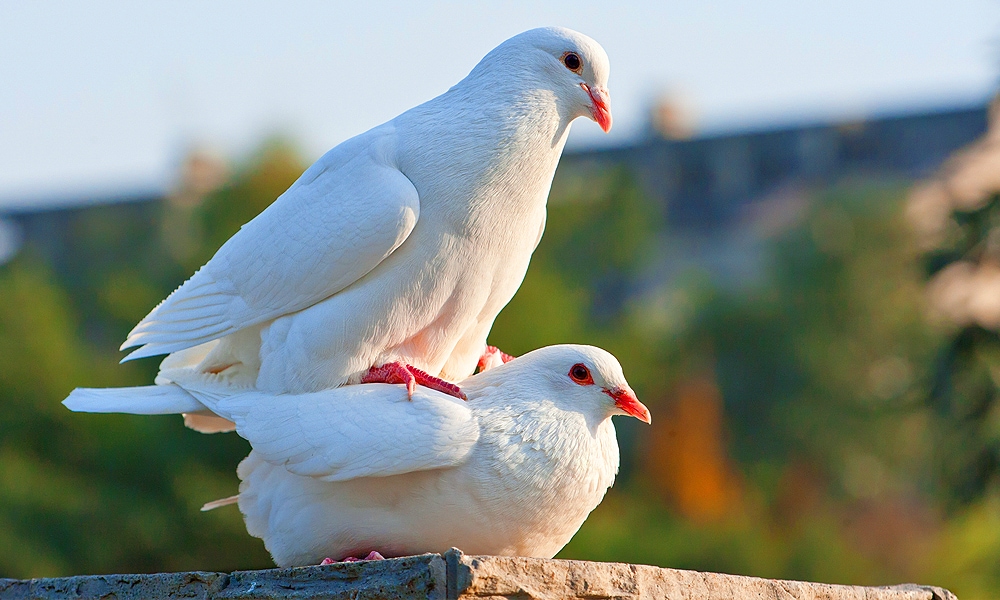
kwmedley.com – Doves, with their soft cooing calls and gentle demeanor, have long held a prominent place in human culture, symbolizing peace, love, and purity. These graceful birds, belonging to the family Columbidae (which also includes pigeons), are found worldwide in diverse habitats. This article explores the fascinating world of doves, delving into their various species, unique characteristics, ecological roles, and rich cultural significance.   

A Diverse Family: Columbidae

The Columbidae family encompasses a wide variety of birds, ranging in size from small ground doves to larger fruit doves. While the terms “dove” and “pigeon” are often used interchangeably, there is no strict scientific distinction. Generally, smaller members of the family are called doves, while larger ones are referred to as pigeons. Some well-known dove species include the Mourning Dove, the Rock Dove (often referred to as the common pigeon), the Eurasian Collared Dove, and various species of fruit doves and ground doves.   

Physical Characteristics: Adapted for Flight and Seed Eating

Doves possess several physical adaptations that contribute to their successful lifestyle:

  • Compact Bodies and Strong Wings: Enabling efficient flight and maneuverability.
  • Short Necks and Small Heads: Giving them a characteristic profile.
  • Short Beaks with a Fleshy Cere: Adapted for consuming seeds and grains.   
  • Crop: A specialized pouch in their esophagus used for storing and softening food.   
  • “Pigeon’s Milk”: A nutritious substance produced in the crop of both parents, used to feed their young.   

Habitat and Distribution: Found Worldwide

Doves are found on nearly every continent except Antarctica, inhabiting a wide range of environments:   

  • Forests and Woodlands: Providing shelter and nesting sites.   
  • Grasslands and Open Fields: Offering foraging opportunities.
  • Urban and Suburban Areas: Where they have adapted to human-modified landscapes.
  • Deserts and Arid Regions: Some species are adapted to survive in harsh desert conditions.   

Behavior and Diet: Primarily Seed Eaters

Doves are primarily granivores, feeding on seeds and grains. Their diet also includes:   

  • Fruits and Berries: Consumed by some species, particularly fruit doves.   
  • Insects and Other Invertebrates: Occasionally consumed, especially during breeding season.   

They are known for their gentle foraging behavior, often seen walking on the ground and pecking at seeds.   

Nesting and Breeding: Simple Nests and Dedicated Parental Care

Doves typically build simple nests made of twigs and other plant materials:   

  • Platform Nests: Constructed in trees, shrubs, or on ledges.   
  • Minimal Nest Construction: Often a loosely arranged platform of twigs.   

Both parents participate in incubation and caring for the young, feeding them “pigeon’s milk” during the early stages of development.

Ecological Role: Seed Dispersers and Prey Animals

Doves play several important roles in their ecosystems:

  • Seed Dispersal: By consuming seeds and excreting them in different locations, they contribute to plant dispersal.   
  • Prey for Predators: They serve as a food source for various predators, such as hawks, falcons, and snakes.   

Cultural Significance: Symbols of Peace, Love, and the Holy Spirit

Doves have a rich and complex cultural symbolism:

  • Symbol of Peace: The white dove is universally recognized as a symbol of peace, often used in political and social contexts.   
  • Symbol of Love and Fidelity: Associated with romantic love and lifelong partnerships.
  • Religious Symbolism: In Christianity, the dove represents the Holy Spirit.   
  • Mythological Associations: Found in various mythologies and folklore.

Conservation Status and Threats: Facing Habitat Loss and Hunting Pressure

While some dove species are abundant, others face significant threats:

  • Habitat Loss and Fragmentation: Deforestation, urbanization, and agricultural expansion reduce suitable habitat.   
  • Hunting and Persecution: Some species are hunted for food or considered pests.   
  • Introduced Species: Competition with non-native species can negatively impact native dove populations.   

Conclusion: Appreciating the Dove’s Enduring Symbolism

Doves, with their gentle nature and enduring symbolism, continue to hold a special place in human culture and the natural world. From their role in ecosystems to their representation of peace and love, these graceful birds contribute to the balance and beauty of our planet. By understanding the challenges they face and taking steps to protect their habitats, we can ensure that the gentle cooing of doves continues to grace our world for generations to come.