Pineapple Lily: A Unique & Striking Flower for Your Garden

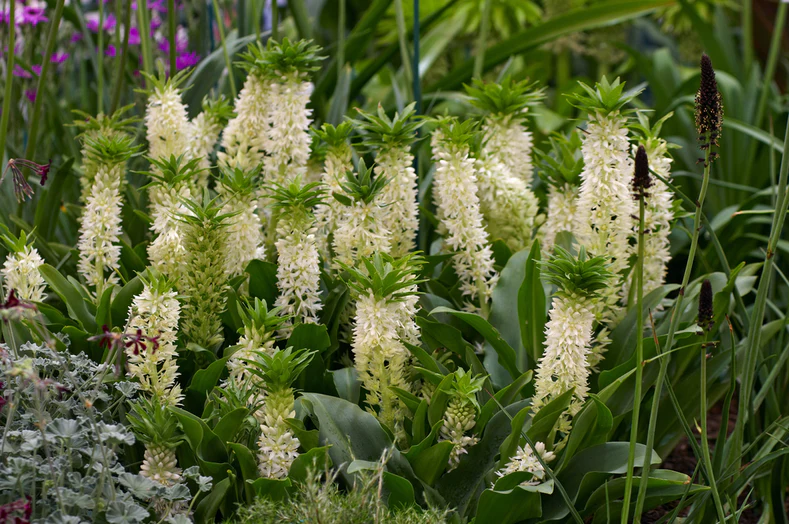
kwmedley.com – The Pineapple Lily (Eucomis) is an exotic and visually captivating plant known for its unique flower structure that resembles a pineapple. Native to South Africa, this striking perennial has gained popularity among gardeners for its unusual appearance, combining the charm of a tropical flower with the elegance of a lily. The Pineapple Lily produces tall, upright flower spikes adorned with clusters of small, star-shaped flowers, crowned by a tuft of leafy bracts at the top, giving it a pineapple-like appearance. Available in various shades, including white, purple, and green, the Pineapple Lily adds a tropical touch to gardens and makes a dramatic statement in any landscape.

Physical Characteristics

Pineapple Lilies are relatively tall plants that can grow anywhere from 1 to 3 feet (30 to 90 cm) in height, depending on the variety. The plant’s most distinctive feature is its flower spike, which is often topped with a tuft of leaf-like bracts, giving it the resemblance of a miniature pineapple. The flowers themselves are small, tubular, and often star-shaped, arranged in dense clusters along the flower stalk. These blooms come in shades of white, green, pink, or purple and bloom in late summer to early fall, providing a burst of color when many other plants are starting to fade. The leaves of the Pineapple Lily are broad, lance-shaped, and deep green, forming a rosette at the base of the plant, which helps create an attractive, leafy backdrop to the striking flowers.

Growing Conditions

Pineapple Lilies thrive in full sun to partial shade and prefer well-drained soil that is rich in organic matter. They are relatively adaptable and can tolerate a range of soil types, but they perform best in slightly acidic to neutral soil. These plants are relatively drought-tolerant once established but will benefit from regular watering during dry spells. Like many tropical plants, Pineapple Lilies enjoy warmth, so they do best in regions with mild to warm summers. They can be grown in garden beds, borders, or containers, and their striking appearance makes them an ideal focal point in tropical-themed gardens or mixed perennial beds. In colder climates, Pineapple Lilies are often grown as annuals or lifted and stored indoors during the winter months to protect the bulbs from frost.

Uses in Gardening and Landscaping

Pineapple Lilies are primarily valued for their ornamental appeal and dramatic flower spikes. They make an excellent addition to flower beds, borders, or containers, where their unusual flowers can be appreciated from close up. These plants are perfect for adding height and structure to the garden, as their tall flower spikes create a vertical element that contrasts beautifully with shorter plants. Pineapple Lilies also pair well with other tropical or summer-blooming plants, such as dahlias, lilies, or cannas, creating a lush, vibrant garden display. In addition to their visual appeal, Pineapple Lilies are excellent for attracting pollinators like bees, butterflies, and hummingbirds, making them a valuable addition to a garden focused on supporting local wildlife.

Health and Medicinal Benefits

While the Pineapple Lily is primarily grown for its ornamental value, it is important to note that this plant is not commonly used for medicinal purposes. The plant is not known to have any significant health benefits, and there are no widespread uses for it in traditional medicine. As with many plants, caution should be exercised if handling or ingesting any part of the plant, as it is not typically consumed or used for therapeutic applications.

Ecological Importance

Pineapple Lilies can play an important role in supporting local ecosystems, especially in gardens designed to attract pollinators. Their colorful flowers are particularly appealing to bees, butterflies, and hummingbirds, providing these beneficial creatures with a rich source of nectar during the late summer and early fall when many other flowers may have already finished blooming. By incorporating Pineapple Lilies into a garden, gardeners can help support pollinator populations while enjoying the beauty and elegance of these exotic plants. Additionally, the plant’s dense foliage provides shelter and habitat for smaller insects and creatures, contributing to the overall biodiversity of the garden.

Conclusion

The Pineapple Lily is an exceptional and eye-catching addition to any garden, with its unique, pineapple-like flower spikes and elegant green foliage. Its tropical appearance makes it perfect for adding a touch of the exotic to garden beds, borders, and containers. Easy to grow in the right conditions, Pineapple Lilies offer a beautiful and long-lasting display, blooming late into the season when other flowers are fading. Whether used as a focal point, mixed with other tropical plants, or incorporated into pollinator-friendly gardens, Pineapple Lilies provide both aesthetic and ecological value. Their striking beauty and relatively low-maintenance care make them a rewarding plant for any gardener.

Aztec Lily: The Striking Beauty of the Desert

kwmedley.com – Aztec Lily (Sprekelia formosissima) is an exotic flowering plant that enchants gardeners with its dramatic, fiery blooms. Also known as the Jacobean Lily, this plant produces bold, funnel-shaped flowers with striking red, pink, or orange hues that resemble a star in full bloom. Native to the deserts of Mexico and Central America, Aztec Lily thrives in warm, sunny climates, adding vibrant color and a touch of the exotic to gardens, landscapes, and indoor spaces.

Key Features of the Aztec Lily

  1. Dramatic, Star-Shaped Flowers: The standout feature of the Aztec Lily is its stunning, trumpet-like flowers that flare open in a star-shaped pattern. The petals are usually bright red, although variations in pink, orange, or white are also common. The striking flowers are borne on tall, slender stems, creating a bold and elegant display.
  2. Distinctive Shape and Color: The Aztec Lily’s flowers are known for their unique form, with the petals spreading outwards and curving back slightly. This gives the blooms a distinct star-like appearance. The deep red petals, often with darker veins running through them, create a dramatic contrast against the bright yellow stamens at the center of each flower.
  3. Foliage: The long, narrow, arching leaves of Aztec Lily are a beautiful green color and provide an elegant contrast to the bright blooms. The foliage is typically basal, emerging from the bulb in a fan-like arrangement. The leaves add texture to the garden even when the plant is not in bloom.
  4. Bulbous Growth: Aztec Lily is a bulbous plant, meaning it grows from underground bulbs that store nutrients. The plant’s bulbs can be planted in the fall or early spring, and they will send up tall flower stems in the warmer months. After blooming, the bulbs enter a dormant period, typically in the fall, before sprouting again the following spring.
  5. Long-Lasting Blooms: The flowers of the Aztec Lily are relatively long-lasting, typically blooming in late spring to summer, depending on the growing conditions. Each flower lasts for several days, but the plant will continue to produce new blooms throughout its flowering season, creating a stunning display for weeks.

Growing and Caring for Aztec Lily

  • Sunlight: Aztec Lily thrives in full sun, where it can bask in the warmth and light it needs to bloom prolifically. It can tolerate partial shade, but it may not flower as abundantly in shadier spots.
  • Soil: This plant prefers well-draining, slightly acidic to neutral soil. It thrives in sandy or loamy soil that is rich in organic matter. Poorly-drained soil can lead to bulb rot, so it is important to ensure that the planting area has good drainage.
  • Watering: Aztec Lily requires regular watering during its growing season, especially when it is actively blooming. However, it does not like to sit in water, so be sure to allow the soil to dry out between waterings. Once the plant enters dormancy after flowering, reduce watering significantly, as the bulbs need to rest.
  • Temperature: Aztec Lily is native to warm climates and prefers temperatures between 70°F and 85°F (21°C to 29°C). It is not frost-tolerant and should be planted in USDA hardiness zones 8-11. In cooler climates, Aztec Lily can be grown as a container plant and brought indoors during the winter months.
  • Fertilization: This plant benefits from occasional feeding during its growing season. Use a balanced fertilizer or one with a higher phosphorus content to promote healthy blooms. Fertilizing every 4-6 weeks during the growing season can help ensure vibrant flowers.
  • Dormancy: After blooming, Aztec Lily enters a period of dormancy. During this time, the foliage may yellow and die back, and the plant will rest until the next growing season. In areas with colder winters, it is important to lift the bulbs before the first frost and store them in a cool, dry place until spring.

Popular Uses of Aztec Lily

  1. Garden Beds and Borders: Aztec Lily is a striking addition to garden beds and borders, where it adds a pop of color and exotic flair. It can be planted in groups for a dramatic effect or placed as a focal point in mixed beds for added interest.
  2. Containers and Pots: Aztec Lily grows well in containers, making it an ideal choice for patio gardens, balconies, or small spaces. Container-grown plants can be brought indoors during the winter months, where they can continue to bloom and thrive.
  3. Cut Flowers: The bold and beautiful flowers of Aztec Lily make excellent cut flowers. They can be used in floral arrangements or as striking single-stem blooms in vases, adding a touch of tropical elegance to any indoor setting.
  4. Landscape Design: This plant can be used as an accent in landscaping, particularly in xeriscaping or desert-themed gardens. Its unique flowers and drought tolerance make it an excellent choice for creating a desert-inspired garden or for pairing with succulents, cacti, and other dry-loving plants.
  5. Exotic Indoor Plant: In cooler climates, Aztec Lily can be grown indoors as a houseplant. The plant’s striking flowers and glossy foliage make it an attractive feature in living rooms, sunrooms, or conservatories.

Companion Plants for Aztec Lily

Aztec Lily pairs well with a variety of other plants, particularly those that share its love for sun and well-drained soil. Some good companion plants include:

  • Succulents: Plants like agave, yucca, and aloe make excellent companions for Aztec Lily, as they thrive in similar conditions and share a similar aesthetic with their bold, architectural forms.
  • Cacti: The spiky, dramatic shapes of cacti provide a striking contrast to the soft, flowing form of Aztec Lily, and both plants thrive in dry, warm environments.
  • Lavender: Lavender’s fragrant purple flowers and compact growth provide a lovely contrast to the tall, dramatic form of Aztec Lily, and both plants are well-suited for sunny, well-drained areas.

Conclusion

Aztec Lily is a striking, exotic plant that adds color, texture, and elegance to any garden or landscape. With its vibrant, star-shaped flowers, unique foliage, and easy-growing nature, it is an excellent choice for gardeners looking to create a dramatic and eye-catching display. Whether used in garden borders, containers, or as a cut flower, Aztec Lily brings a touch of the tropics to both outdoor and indoor spaces. Its bold beauty and low-maintenance care make it a fantastic addition to any garden, offering months of stunning blooms each year.